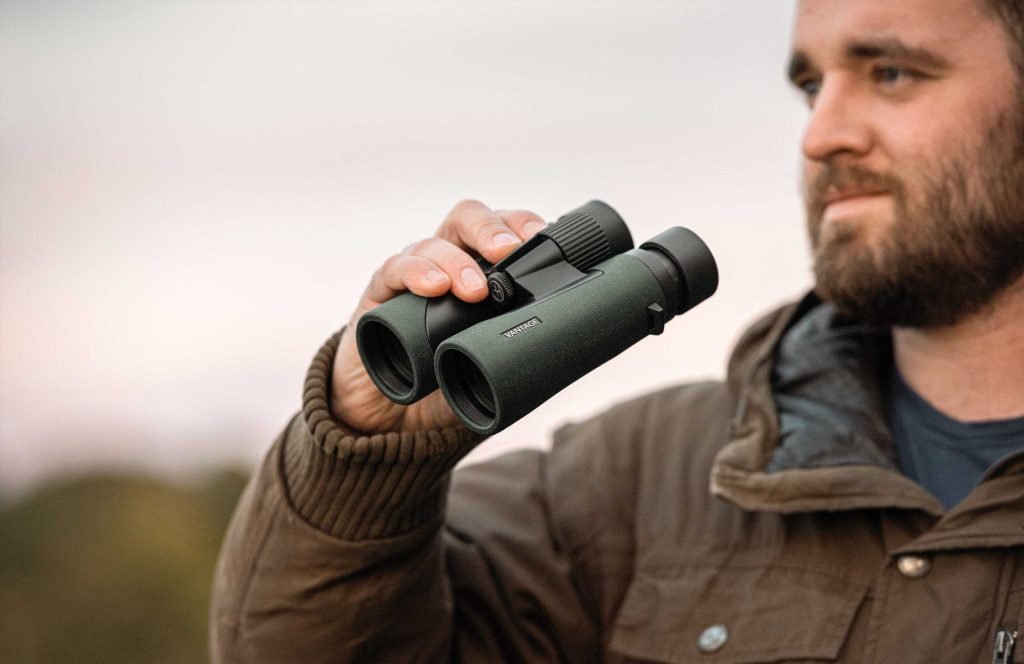
Have you ever been excited to use your compact binoculars, only to find the lenses fogged up and ruining your view? It’s frustrating when your clear sight gets blocked just when you need it most.
But what if you could keep your binoculars fog-free no matter the weather or activity? You’ll discover simple and effective ways to prevent fogging on your compact binoculars. Keep reading, and you’ll never miss a moment again.

Credit: www.amazon.com
Causes Of Fogging
Moisture inside binoculars can cause fogging. Seals might be weak, letting water in. Humidity can also seep inside, creating fog. To fix this, keep binoculars dry. Store in a cool, dry place.
Sudden temperature changes can fog lenses. Warm air hits cold glass, causing fog. To prevent this, let binoculars adjust to new temperatures. Keep them in a case when moving between hot and cold areas.
High humidity can make lenses fog. Moist air sticks to glass, creating a mist. Use anti-fog products to help clear lenses. Keep binoculars in a dry space to avoid humidity issues.

Credit: www.vikingopticalcentres.co.uk
Choosing Fog-resistant Binoculars
Binoculars filled with nitrogen or argon gasstop fog inside the lenses. These gases prevent moisture from building up. This keeps your view clear in cold or humid places.
Coated lensesreduce glare and help stop fog. These coatings also protect lenses from scratches and dust. They improve the brightness and sharpness of what you see.
A sealed constructionkeeps water and air out. This means no fog or dirt can get inside. It also makes binoculars more durable for outdoor use.
| Feature | Benefit |
|---|---|
| Nitrogen and Argon Purging | Stops internal fogging by removing moisture |
| Coated Lenses | Reduces glare and protects the lens surface |
| Sealed Construction | Keeps out water, dust, and air for clarity |
Proper Storage Techniques
Using drying packsinside your binocular case helps absorb moisture. These packs keep the air dry, stopping fog from forming on the lenses. Replace the packs regularly to keep them effective.
Storing binoculars in dry placesavoids dampness. Avoid basements or areas with high humidity. A dry environment keeps the lenses clear and ready for use.
Choose storage cases with ventilationto allow air flow. Cases with small holes or mesh allow moisture to escape. This reduces the chance of fog buildup inside the case.

Credit: www.kentfaith.com
Effective Cleaning Methods
Use a lens cleaning solutiondesigned for optics. Apply a small amount to a soft microfiber cloth. Gently wipe the lenses in a circular motion. This removes dirt and oils without damaging the glass.
Avoid abrasive materialslike paper towels or rough cloths. These can scratch the lens surface and cause permanent damage. Stick to microfiber cloths or lens tissues made for glasses and cameras.
Keep your binoculars clean with regular maintenance. Store them in a dry case to prevent moisture buildup. Check lenses for dust and clean them often to stop fog from forming. Dry off any water or condensation quickly to maintain clear views.
Preventive Field Tips
Gradual temperature adjustmenthelps stop fog from forming. Let binoculars warm up slowly before use. Avoid taking cold binoculars directly into warm places. This reduces moisture build-up inside the lenses.
Keeping binoculars coveredprotects lenses from moisture and dust. Use a soft cloth or case when not in use. This keeps the lenses dry and clean. Avoid touching lenses with fingers to prevent smudges.
- Use anti-fog spraysdesigned for optics.
- Spray lightly on the lenses and wipe with a soft cloth.
- These sprays create a thin layer to stop fog.
- Apply before heading outdoors for best results.
Diy Anti-fog Solutions
Homemade anti-fog sprays can help keep lenses clear. Mix equal parts of water and rubbing alcohol in a small spray bottle. Spray lightly on the lenses and wipe gently with a soft cloth. This creates a thin layer that stops fog.
Applying a small amount of clear soap or shaving cream works well too. Spread a thin layer on the lens, then wipe it off with a clean cloth. This leaves a film that prevents fog from forming.
- Use only a small amount to avoid blurry vision.
- Test on a small lens area first to check for damage.
- Do not use harsh chemicals that can ruin coatings.
- Always clean lenses gently to avoid scratches.
- Store binoculars in a dry place after use.
Frequently Asked Questions
How Can I Prevent Fogging On Compact Binoculars?
Keep binoculars dry and avoid rapid temperature changes. Use anti-fog sprays or wipes designed for optics. Store them in a moisture-free case when not in use. Proper care reduces condensation and maintains clear vision.
Why Do Compact Binoculars Fog Up Quickly?
Fogging happens when warm, moist air meets cold lens surfaces. This causes condensation, obstructing the view. Compact binoculars fog faster due to their small size and close lens proximity. Managing temperature and moisture helps prevent this.
Are Anti-fog Coatings Effective For Binoculars?
Yes, anti-fog coatings reduce condensation on lenses. They create a thin layer that resists moisture buildup. Many modern compact binoculars come with these coatings for clearer vision in humid conditions.
Can I Use Household Items To Defog Binocular Lenses?
Avoid using household items like toothpaste or soap. These can damage lens coatings and reduce clarity. Instead, use products specifically made for optical lenses to safely prevent fogging.
Conclusion
Preventing fog on compact binoculars keeps your view clear and sharp. Use anti-fog sprays or wipes before heading outdoors. Store binoculars in a dry place to avoid moisture buildup. Let them adjust slowly to temperature changes. Carry silica gel packs to absorb extra moisture.
Clean lenses gently with a soft cloth every time. Small steps make a big difference in your experience. Enjoy clear sights during every adventure without frustration. Simple care helps your binoculars perform their best.