Have you ever wished you could watch birds after the sun goes down? Night birdwatching opens up a whole new world of fascinating creatures that come alive in the dark.
But how can you see them when it’s so hard to spot anything at night? That’s where night vision binoculars come in. These powerful tools let you observe nocturnal birds clearly, even in total darkness. You’ll discover simple tips and tricks to use your night vision binoculars effectively, so you never miss a moment of nighttime wildlife activity.
Get ready to transform your birdwatching experience and uncover the secrets of the night sky!
Credit: www.amazon.com
Choosing Night Vision Binoculars
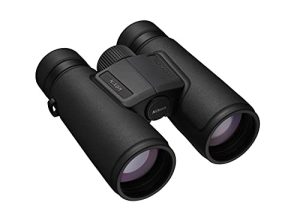
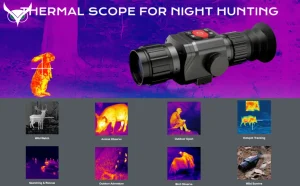
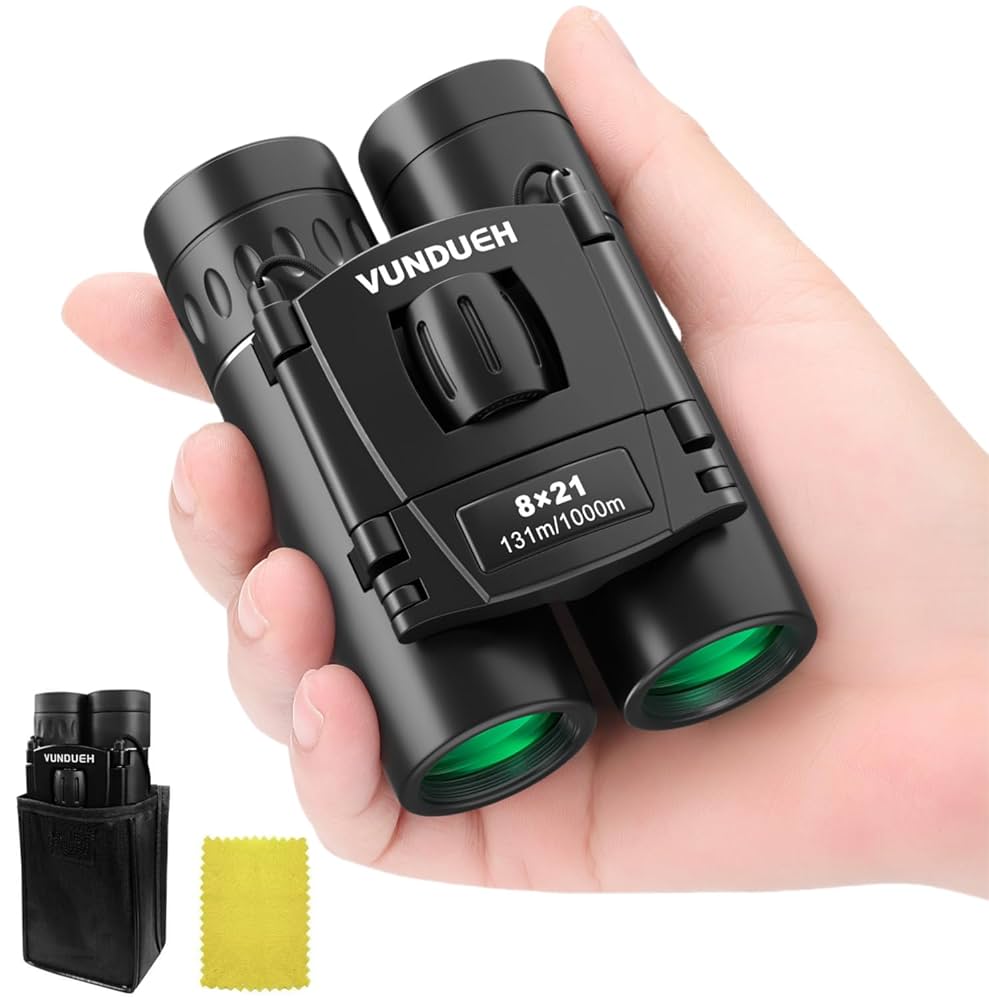
Night vision binoculars use different technologies. The most common types are Infrared, Thermal, and Image Enhancement. Infrared binoculars detect heat. Thermal binoculars see heat patterns. Image enhancement binoculars amplify light. Each type has unique benefits. Choose based on your birdwatching needs.
- Magnificationhelps you see birds clearly.
- Field of viewallows you to see more area.
- Battery lifeensures binoculars last longer.
- Weightaffects how easy they are to carry.
High performance often costs more. Set a budget before buying. Compare features within your budget. Sometimes, cheaper models work well. Check reviews and ratings. Look for value, not just price. Balance cost with quality. You can find good binoculars without spending too much.
Preparing For Night Birdwatching
Choose a location with low light pollution. Areas away from city lights work best. Find places with clear views of trees and water. Quiet spots help birds stay active at night. Check local rules about night visits to parks or reserves.
Birds are more active during certain times at night. Early evening and just before dawn are great. The moon phase matters too; a bright moon helps you see better. Avoid nights with no moon for best results.
- Night vision binocularsto see clearly in the dark.
- Red flashlightto avoid scaring birds.
- Warm clothingbecause nights can be cold.
- Notebook and pento write down bird names and notes.
- Bug sprayto keep insects away.
Setting Up Your Binoculars
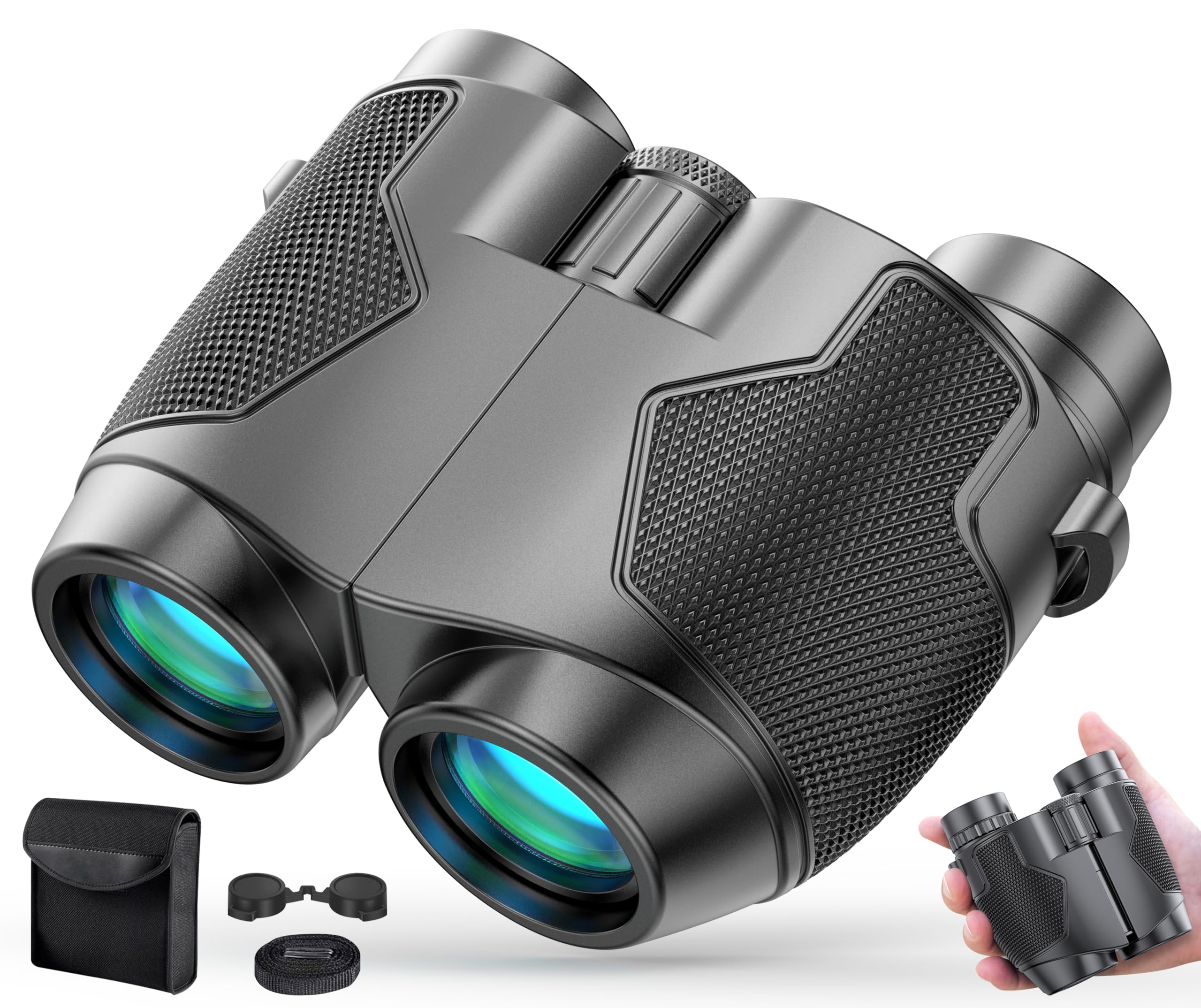
Hold the binoculars steady and bring them close to your eyes. Adjust the focus ringslowly until the image looks clear. Use the zoomfeature to get a closer view of the birds without losing sharpness. Keep the binoculars balanced to avoid shaking.
Make sure the device has fresh batteries before use. Turn off the binoculars when not in use to save power. Clean the lenses gently with a soft cloth. Store the binoculars in a dry place to protect them from moisture and dust.
| Calibration Step | Purpose | How to Do It |
|---|---|---|
| Adjust Diopter | Match the focus to your eyes | Close one eye, focus with the other, then switch |
| Set Brightness | Get clear night vision | Use brightness control until image is visible but not too bright |
| Check Infrared | Improve image in dark areas | Turn on IR light and adjust intensity if needed |
Techniques For Effective Night Birdwatching
Approach birds slowly and quietlyto avoid scaring them away. Walk softly and avoid sudden moves. Stay low and use natural cover like bushes or trees. Keep your voice down or remain silent to blend into the environment.
Use light sources carefullyto protect your night vision. Avoid shining bright lights directly on birds. Use a red or dim flashlightto see your surroundings without disturbing wildlife. Light should help you, not scare the birds.
| Common Night Birds | Key Features | Sounds |
|---|---|---|
| Owls | Large eyes, silent flight | Hooting calls |
| Nighthawks | Long wings, quick flight | Sharp “peent” calls |
| Nightjars | Camouflaged feathers | Churring or clicking sounds |
Safety Tips For Night Birdwatching
Moving in the dark calls for caution and good preparation. Use a flashlight with a red filter to keep your night vision sharp. Walk slowly and watch your steps to avoid tripping on roots or rocks. Carry a map or GPS to stay on the path and prevent getting lost.
Protect your eyes by adjusting binoculars properly. Avoid shining bright lights directly into your eyes or others’. Give your eyes time to adjust to the dark before starting birdwatching. Take breaks to prevent eye strain and keep your vision clear throughout the night.
- Respect wildlife by keeping a safe distance from animals.
- Stay quiet to avoid scaring birds and other creatures.
- Do not leave trash behind to protect the environment.
- Be aware of local rules and regulations for night birdwatching.

Credit: www.amazon.co.uk
Troubleshooting Common Issues
Image distortioncan blur your view. Check lens cleanliness first. Dirt or smudges cause blurry images. Adjust the focus slowly until the image sharpens. If distortion stays, inspect the binoculars for damage or misalignment. Using binoculars in bright areas may cause glare. Use a lens hood or shield your eyes with your hand.
Battery issuesaffect night vision. Carry extra batteries for longer use. Always insert batteries correctly to avoid power loss. Clean battery contacts if the power is weak. Switch off the binoculars when not in use to save power.
Clear vision changes with weather. Fog or rain can blur your sight. Wipe lenses gently with a soft cloth. Use anti-fog spray for humid nights. Avoid touching lenses with fingers to prevent smudges.

Credit: makhdoomsstore.com
Frequently Asked Questions
What Are Night Vision Binoculars Used For In Birdwatching?
Night vision binoculars allow birdwatchers to see birds clearly in low-light or dark conditions. They amplify ambient light, helping spot nocturnal birds without disturbing them. These binoculars enhance visibility and detail, making night birdwatching safer and more enjoyable.
How Do I Choose The Best Night Vision Binoculars?
Look for binoculars with high resolution and good light amplification. Consider weight, battery life, and comfort for long use. Also, check for infrared capabilities to see in complete darkness. Reading user reviews and expert opinions helps select the best model.
Can Night Vision Binoculars Harm Birds Or Wildlife?
No, night vision binoculars use passive light amplification and infrared, which are safe for birds. They do not emit harmful radiation. Using them responsibly minimizes disturbance and protects wildlife during night birdwatching.
How Do I Maintain And Clean Night Vision Binoculars?
Use a soft microfiber cloth to clean lenses gently. Avoid harsh chemicals or abrasive materials. Store binoculars in a dry, cool place with a protective case. Regular maintenance ensures clear vision and extends the device’s lifespan.
Conclusion
Night vision binoculars open new ways to enjoy night birdwatching. They help you see birds clearly in the dark. Practice using your binoculars often to get better results. Always respect wildlife and keep a quiet presence. Choose a safe, dark spot for the best views.
Night birdwatching can be peaceful and exciting at once. With patience and care, you will spot many night birds. Keep your equipment ready and enjoy the calm night nature offers.