Have you ever wondered if thermal binoculars can be useful in broad daylight? You might think these devices are only for night use, but the truth could surprise you.
Understanding how thermal binoculars work during the day can change the way you see outdoor adventures, security, or wildlife watching. Keep reading, and you’ll discover how these powerful tools can help you spot what your eyes might miss—even when the sun is shining bright.
Don’t miss out on unlocking the full potential of your binoculars!
Thermal Binoculars Basics
Thermal binoculars detect heat, not light, so they work well both day and night. Bright sunlight does not affect their ability to see heat signatures. This makes them useful for spotting animals or people in various conditions.
How Thermal Imaging Works
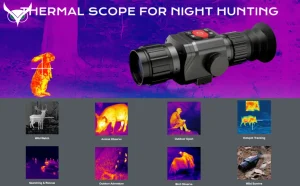
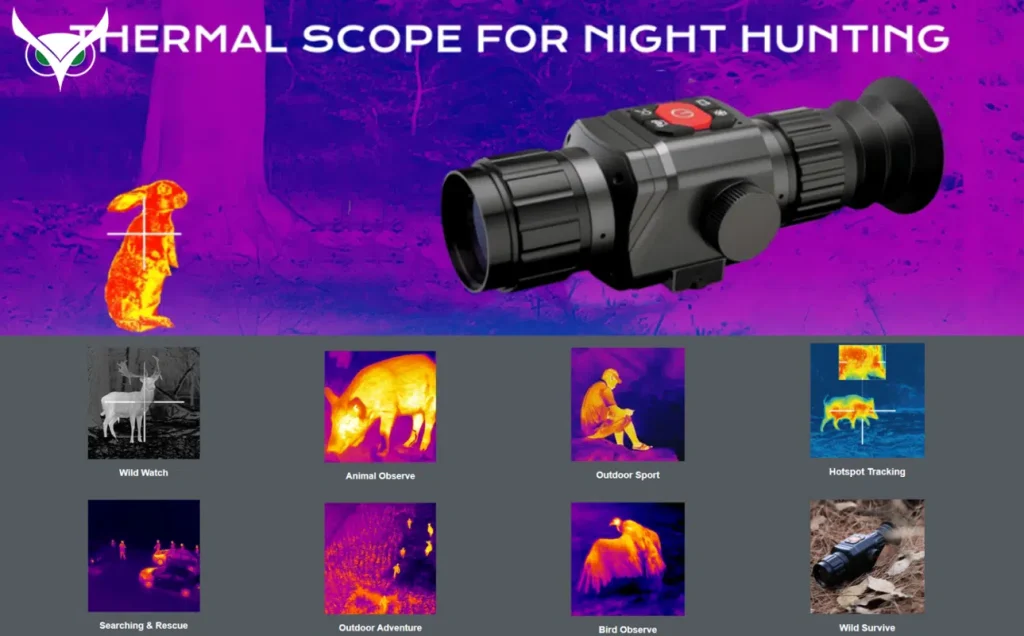
Thermal binoculars detect heatinstead of light. They show images based on temperature differences. Even in daylight, they work well. Every object emits some heat. This is called infrared radiation. Thermal binoculars capture this radiation. They convert it into an image. You can see animals and people, even through fog or smoke.
Key Features Of Thermal Binoculars
- Heat detection: Works in complete darkness.
- Long-rangevision: See objects from far away.
- Weather resistant: Functions in fog, rain, and smoke.
- Provides clear imagesbased on temperature.
- Can be used during daylighthours.

Credit: www.rixoptics.com
Daytime Performance
Thermal binocularsdetect heat, not light. Sunlight does not stop them from working. They sense the infrared radiationemitted by objects.
Bright daylight can warm some surfaces, which may affect heat contrast. But thermal sensors still pick up temperature differences. This helps to see warm objects even in the sun.
Here are key points about sunlight and thermal sensors:
- Sunlight does not blind thermal sensors.
- Heat from the sun can reduce contrast in some scenes.
- Thermal binoculars work by sensing heat, not visible light.
- Warm objects like animals stand out well against cooler backgrounds.
Visibility of heat signatures depends on the temperature gapbetween objects and surroundings. Larger gaps mean clearer images. Thermal binoculars show warm objects as bright shapes in daylight.
Common Misconceptions
Thermal binoculars detect heat, not light. They work by sensing the infrared radiationemitted by objects. This allows them to see in total darkness and through smoke or fog.
Night vision devices, on the other hand, amplify visible light. They need some light to function well. Bright daylight can overwhelm night vision, making it hard to see.
Thermal binoculars work during the day, but bright sunlight can reduce their effectiveness. Hot surfaces, like rocks or pavement, may appear very bright and hide cooler objects nearby.
Thermal devices do not rely on ambient light. They create images based on temperature differences, useful for spotting animals or people even in bright conditions.
| Feature | Thermal Binoculars | Night Vision |
|---|---|---|
| Detects | Heat / Infrared Radiation | Visible Light |
| Works in Total Darkness | Yes | No |
| Performance in Bright Daylight | Good, but hot surfaces may interfere | Poor, can be overwhelmed by light |
| Best Use | Detecting heat differences, day or night | Low-light or night environments |
Practical Applications
Thermal binocularswork well during the day for many uses. They detect heat, not light. This helps to see animals or people even in bright sunlight.
- Wildlife Observation:Spot animals hidden in bushes or far away. See warm shapes clearly, even if they blend with the background.
- Search and Rescue:Find lost people by their body heat. Works in hot or cold weather and bright daylight.
- Security and Surveillance:Detect intruders or hidden threats. See through smoke, fog, or daylight shadows.
Tips For Day Use
Adjust the thermal sensitivityto suit bright conditions. Lower sensitivity helps avoid too much heat detail. Use color palettes that work well in daylight, like black-hot or white-hot. This improves object visibility and contrast.
Reduce glareby shielding the lenses from direct sunlight. Use a lens hood or your hand to block reflections. Avoid looking through glass windows as they can cause false heat images.
- Keep lenses clean for clear views.
- Use a tripod to hold steady during long observations.
- Take breaks to avoid eye strain from bright backgrounds.
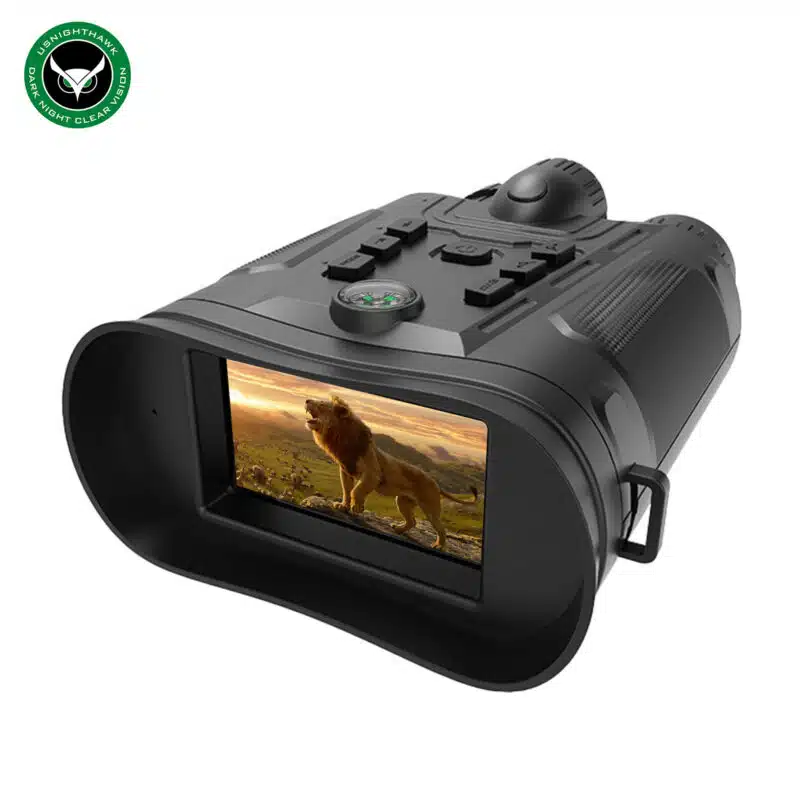
Credit: www.usnighthawk.com
Choosing The Right Model
Resolutionaffects how clear the image looks. Higher resolution means sharper details. Thermal binoculars with good sensitivitydetect small temperature differences. This helps see objects better in daylight.
Battery lifeis key for long use. Choose models with batteries that last several hours. Lightweight and compact designs make binoculars easy to carry. Portability matters for outdoor activities and travel.
| Feature | What to Look For |
|---|---|
| Resolution | High pixel count for clear images |
| Sensitivity | Detects small temperature differences |
| Battery Life | Long hours without recharge |
| Portability | Lightweight and compact design |
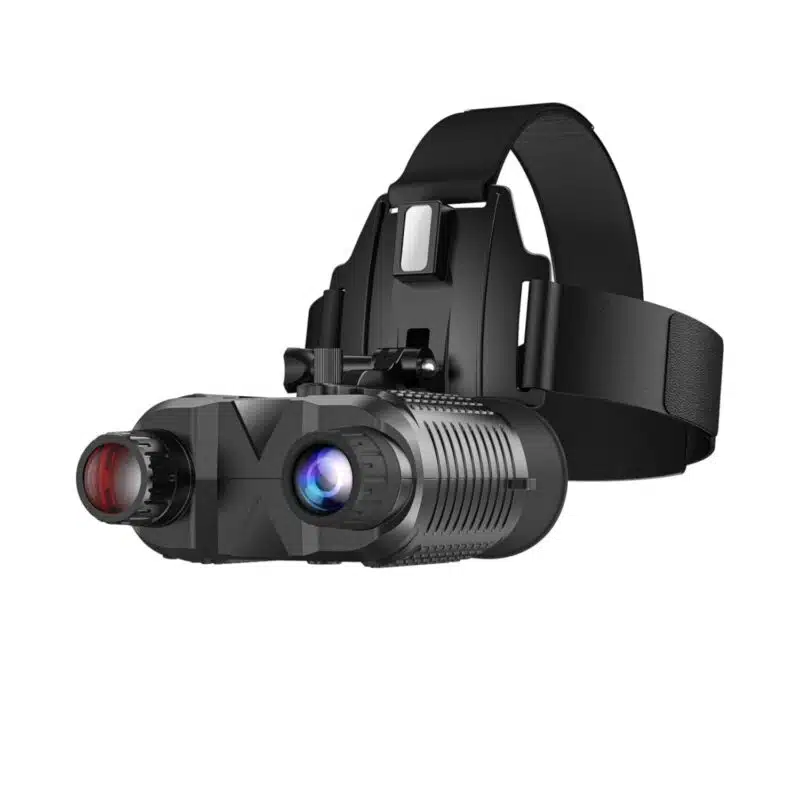
Credit: www.usnighthawk.com
Frequently Asked Questions
Can Thermal Binoculars Be Used In Daylight?
Yes, thermal binoculars work during the day by detecting heat signatures. They provide clear images regardless of lighting conditions, making them useful for daytime observation.
How Do Thermal Binoculars Perform In Bright Sunlight?
Thermal binoculars are unaffected by bright sunlight because they sense heat, not visible light. This allows consistent performance in various daylight environments.
Are Thermal Binoculars Better Than Regular Ones For Daytime Use?
Thermal binoculars reveal heat patterns, which regular binoculars cannot. They excel in spotting living beings or warm objects during the day, especially in cluttered environments.
Do Thermal Binoculars Require Special Settings For Daytime?
Most thermal binoculars function well without adjustments in daylight. Some models offer settings to enhance contrast and detail for optimal daytime viewing.
Conclusion
Thermal binoculars can work during the day, but with limits. They detect heat, not light, so bright sunlight may reduce contrast. Still, they help spot animals or objects hidden by bushes or fog. Using them in daylight can be useful for safety and observation.
Choose models with good daytime performance for best results. Remember, they do not replace regular binoculars for clear, detailed views. Thermal binoculars add value but work best in low light or darkness. Consider your needs before buying one.