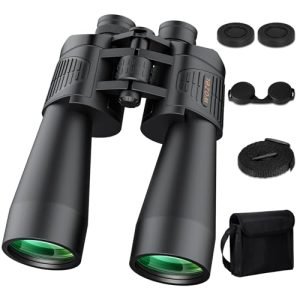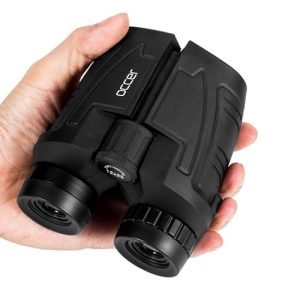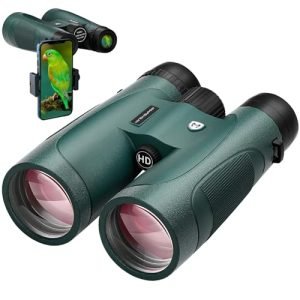
If you own marine binoculars, you know how important it is to keep them in top shape. Saltwater, moisture, and rough handling can cause damage that affects your view.
But don’t worry—you don’t always need to buy a new pair. With the right binocular repair kit, you can fix common problems yourself and save time and money. You’ll learn simple, step-by-step tips to restore your marine optics quickly and easily.
Keep reading to make sure your binoculars stay crystal clear on every adventure.

Credit: www.ebay.com
Choosing The Right Repair Kit
Choosing a repair kit suited for marine binoculars ensures proper tools and materials are included. Quality kits help fix lenses and seals effectively, keeping optics clear and durable. Selecting the right kit saves time and protects your binoculars during marine use.
Essential Tools Included
A good repair kit includes several essential tools. Screwdrivers are necessary for adjustments. Lens cleaning cloths help keep optics clear. Replacement parts might be needed for broken pieces. Tweezers assist in handling small components. Adhesive is useful for securing loose elements.
Compatibility With Marine Binoculars
Not all kits fit marine binoculars. Check the size and specifications before buying. Marine optics have unique features. Some kits are designed for specific brands. Always ensure the kit supports marine models.
Quality And Brand Considerations
Choose kits from trusted brands. Quality matters for repairs. Well-known brands offer better reliability. Their tools last longer and work better. Some kits come with warranties. This adds extra peace of mind. Higher quality kits save time and money.

Credit: www.amazon.com
Preparing For Repair
Start by gently wiping the lenses with a soft cloth. Use a cleaning solution made for optics to remove dirt and salt. Avoid harsh chemicals that can damage the lenses.
Create a clean, flat workspace with good light. Make sure the area is free of dust and moisture. This helps prevent more damage during repair.
- Extra microfiber cloths
- Small screwdrivers
- Tweezers
- Replacement screws or seals
- Magnifying glass for close inspection
Common Repairs For Marine Binoculars
Loose eyecups can make viewing uncomfortable. Tighten them gently using the repair kit tools. Sometimes, cleaning the threads helps eyecups stay in place better.
O-rings and seals keep water out. Replace worn or broken rings with new ones from the kit. Make sure to apply a thin layer of silicone grease for better sealing and longer life.
Focus mechanisms might feel stiff or loose. Use small screwdrivers to adjust screws carefully. Clean dust and dirt from moving parts to improve smoothness.
Scratched lenses reduce clarity. Minor scratches can be polished with special solutions in the kit. For deep scratches, lens replacement is often necessary to restore clear vision.
Step-by-step Repair Process
Carefully remove the outer casing of the binoculars using a small screwdriver. Keep screws and parts organized to avoid loss. Work on a clean, flat surface with good light. Avoid touching lenses directly to prevent smudges or scratches. Use gloves if possible to keep oils off delicate parts.
Apply adhesives and sealants sparingly to broken or loose parts. Use only marine-grade glue for water resistance. A small brush or toothpick helps apply glue in tight spots. Let the glue dry completely before moving to the next step. Avoid excess glue to keep the binoculars clean.
Put the parts back together in the reverse order of disassembly. Tighten screws gently to avoid stripping threads. Check alignment of lenses and prisms before fully securing. Make sure all seals are snug to keep water out. Use a soft cloth to wipe away any glue residue.
Test the binoculars by looking through the lenses. Check for clear focus and proper alignment. Make sure no parts move or feel loose. Test waterproof seals by gently splashing water on the casing. If any issues remain, reopen and adjust as needed.
Maintenance Tips To Prevent Damage
Keeping marine binoculars clean helps them last longer. Use a soft cloth to wipe lenses daily. Avoid harsh chemicals that can damage coatings. Rinse lenses with fresh water after saltwater exposure to remove salt and sand.
Store binoculars in a dry, cool place. Use a protective case to prevent scratches and dust. Avoid leaving them in direct sunlight or near heat sources. This stops fading and warping.
Saltwater can harm binoculars quickly. Rinse them with fresh water after every use. Dry them thoroughly before storage to stop rust and corrosion. Use silica gel packs in the case to absorb moisture.
When To Seek Professional Help
Major damageto marine optics may need expert repair. Look for cracks in lenses or heavy water damage. Scratches that block your view or loose parts inside the binoculars are signs of serious problems. If your binoculars fog inside after cleaning, this shows a seal failure. These issues usually cannot be fixed with a simple repair kit.
Warranty and serviceoptions vary by brand. Check if your binoculars are still covered under warranty before attempting repairs. Some companies offer free repairs or replacements for manufacturing defects. Professional services can also provide cleaning and precision calibration that DIY kits cannot.
| Issue | Possible Action |
|---|---|
| Cracked lens | Seek professional repair or replacement |
| Water inside optics | Professional drying and resealing recommended |
| Loose internal parts | Service center repair needed |
| Warranty coverage | Contact manufacturer for repair options |
Credit: www.westmarine.com
Frequently Asked Questions
What Tools Are Included In A Binocular Repair Kit?
A binocular repair kit typically includes screwdrivers, cleaning cloths, lens cleaning solution, lubricants, and replacement parts. These tools help fix common issues like loose screws, dirty lenses, and mechanical problems, ensuring your marine optics function properly.
How Do I Clean Marine Binocular Lenses Safely?
Use a soft microfiber cloth and lens cleaning solution from the repair kit. Gently wipe the lenses in a circular motion to avoid scratches and maintain clear vision during marine activities.
Can I Fix Fogging Issues With A Repair Kit?
Yes, many kits contain anti-fog solutions or silica gel packets. Applying these helps prevent moisture build-up inside lenses, ensuring clear and reliable vision in humid marine environments.
How Often Should I Perform Maintenance With A Repair Kit?
Regular maintenance every few months keeps binoculars in top shape. Frequent checks and cleaning prevent corrosion and mechanical wear, especially in salty marine conditions.
Conclusion
Using a binocular repair kit helps keep your marine optics clear and sharp. Small fixes can stop bigger problems later. Follow the steps carefully to avoid damage. Clean lenses and tighten screws for better views. Regular care extends your binoculars’ life on the water.
Simple repairs save money and improve performance. Keep your gear ready for every trip. Trust the process and enjoy clearer sights. A little effort goes a long way.