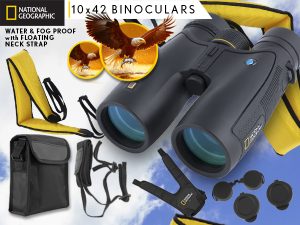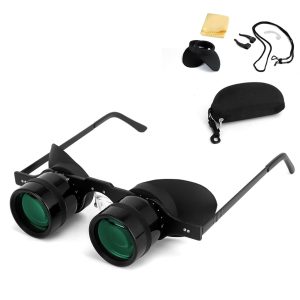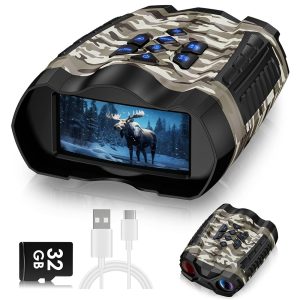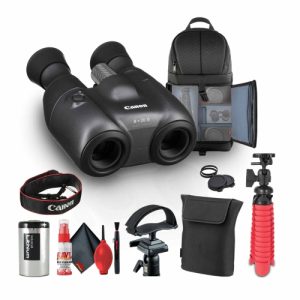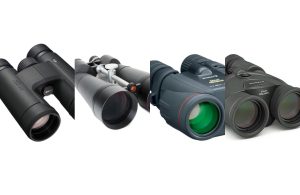
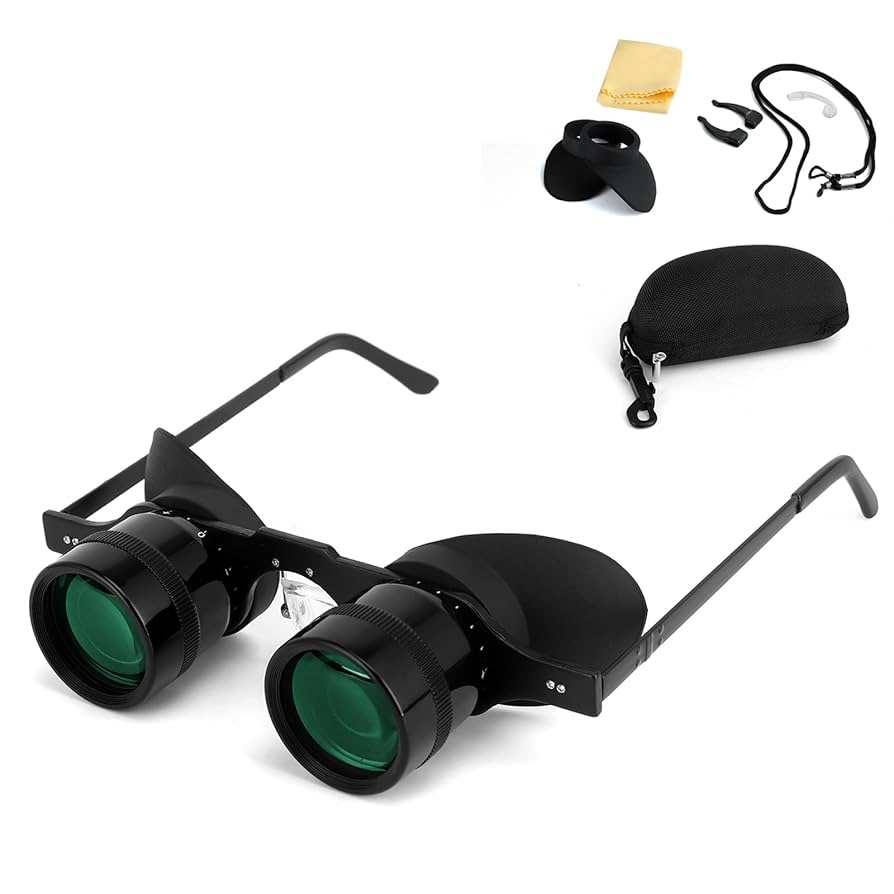
Are you tired of blurry views and dull images when using your compact binoculars? Upgrading your binocular lenses can dramatically change how you see the world—making every detail sharper and colors more vibrant.
Imagine spotting birds, landscapes, or distant objects with crystal-clear clarity right in your hands. In this guide, you’ll discover simple steps to enhance your compact binocular lenses without needing to buy a new pair. Ready to unlock the full potential of your binoculars?
Keep reading, and you’ll learn how to make your next outdoor adventure truly unforgettable.

Credit: www.amazon.com
Choosing The Right Lenses
Upgrading compact binocular lenses improves clarity and brightness. Choose lenses with better coatings and higher-quality glass for sharper views. Consider lens size and magnification to match your needs.
Lens Materials And Quality
Glass lenses offer clear views. Plastic lenses are lighter. Quality lenses have fewer scratches. Scratches make it hard to see. Always check for clear glass.
Lens Coatings And Their Benefits
Coated lenses reduce glare. Glare can hurt your eyes. Multi-coated lenses are best. They help you see colors better. Coatings also protect lenses from dust.
Matching Lenses To Your Needs
Choose lenses for your activities. Bird watching needs clear lenses. Sports events need wide lenses. Travel needs small lenses. Pick what fits your needs best.

Credit: www.amazon.com
Tools And Equipment Needed
Essential tools for lens replacement include a small screwdriver, lens cleaning cloth, and replacement lenses. A magnifying glasshelps to see tiny screws clearly. Use tweezersto handle small parts safely. A soft brushremoves dust without scratching lenses.
Safety gear is important. Wear glovesto avoid fingerprints on lenses. Use eye protectionto guard against small parts flying. Set up a clean, flat workspace. Keep all tools and parts organized to prevent loss. Good lighting helps to see details better.
Preparing Your Binoculars
Start by gently cleaning the lenses using a soft microfiber cloth. Avoid using rough materials that may scratch the glass. Use lens cleaner or a little water for stubborn dirt. Check the binoculars carefully for any damage or loose parts. Look for cracks, dust inside, or worn rubber grips.
Take your time during disassembly to avoid losing tiny screws. Use a small screwdriver and place the screws in a safe container. Remove the outer casing carefully without forcing it. Note how parts fit together to help reassemble later. Keep track of lens positions to maintain focus and alignment.
Removing Old Lenses
Removing old lenses requires a gentle touch. Compact binocular lenses are delicateand can break easily. Use a soft cloth to hold the lens firmly but softly. Avoid pressing too hard to prevent cracks or scratches.
Keep small tools handy, like a lens wrench or a suction cup. These tools help to lift lenses carefullywithout damage. Work in a clean, dust-free area to avoid dirt getting inside.
Common challenges include:
- Lenses stuck due to glue or dirt.
- Scratches from rough handling.
- Misalignment after removal.
| Challenge | Solution |
|---|---|
| Stuck lenses | Use warm air or soft tools to loosen gently. |
| Scratches | Handle lenses with microfiber cloth only. |
| Misalignment | Mark lens positions before removal for easy realignment. |
Installing New Lenses
Installing new lenses requires careful handling. Start by removing the old lenses gently. Clean the lens housing before placing new lenses. Align lenses so the optical centers match perfectly. Misalignment can cause blurry or double vision.
Use a flat surface and hold lenses steady. Check the lens angle with a small ruler or guide. Tiny shifts can affect image quality greatly. Make sure lenses sit flush without gaps.
- Secure lenses using screws or clips provided.
- Do not overtighten screws to avoid damage.
- Test binoculars by looking at distant objects.
- Adjust alignment if images seem off or blurry.
- Repeat testing until clear, sharp images appear.
Maintaining Upgraded Lenses
Clean lenses gentlyusing a soft, lint-free cloth. Avoid rough materials that can scratch. Use lens cleaning solutionor a small amount of water. Do not apply cleaner directly to lenses. Instead, apply it to the cloth first.
Remove dust with a blower brushbefore wiping. This prevents scratches from tiny particles. For stubborn dirt, use a cotton swab dipped in cleaning solution. Be careful not to press too hard.
| Storage Tips | Why It Matters |
|---|---|
| Store in a dry, cool place | Prevents mold and lens fogging |
| Use a protective case | Avoids scratches and physical damage |
| Keep away from direct sunlight | Prevents heat damage to lens coatings |
| Remove batteries if unused for long | Prevents battery leaks and corrosion |
Troubleshooting Common Issues
Image clarity problemsoften happen due to dirt or smudges on lenses. Clean lenses gently with a soft cloth. Avoid using rough materials that can scratch them.
Check if the lenses are properly aligned. Misalignment causes blurry or double images. Try adjusting the focus knob slowly until the image sharpens.
Sometimes, the binoculars need a small adjustment in the eyepieces. Rotate each eyepiece to match your eyesight. This step helps clear up any fuzziness.
For focus and alignment fixes:
- Hold binoculars steady and look at a distant object.
- Close your right eye and use the focus wheel for the left lens.
- Then close your left eye and adjust the right eyepiece separately.
- Open both eyes and fine-tune the focus wheel to get a clear image.

Credit: www.amazon.com
Frequently Asked Questions
How Do I Choose The Right Lenses For Compact Binoculars?
Choose lenses based on magnification, field of view, and light transmission. Consider your usage like birdwatching or stargazing for the best fit. Quality glass and coatings enhance image clarity and brightness.
Can I Replace Lenses On Any Compact Binocular Model?
Not all compact binoculars allow lens replacement. Check the manufacturer’s guidelines to ensure compatibility. Professional servicing is recommended for delicate lens upgrades to avoid damage.
What Tools Are Needed For Upgrading Binocular Lenses?
Basic tools include a small screwdriver, lens cleaning cloth, and tweezers. Avoid using harsh chemicals or improper tools that can scratch or damage lenses during replacement.
How Does Upgrading Lenses Improve Binocular Performance?
Upgraded lenses can boost image sharpness, brightness, and color accuracy. Enhanced coatings reduce glare and improve light transmission. This results in clearer, more detailed views in various lighting conditions.
Conclusion
Upgrading your compact binocular lenses can improve your viewing experience greatly. Choose the right lenses for better clarity and brightness. Clean and maintain lenses regularly to keep them clear. Small changes bring big improvements to your binoculars. Enjoy sharper images and clearer details outdoors.
Take your time to select quality parts. With patience, you will see the difference clearly. Your binoculars will serve you better and longer. Keep exploring the world with improved vision. Simple upgrades can make your adventures more enjoyable.