Have you ever struggled to keep your view steady while stargazing? If you’ve tried using binoculars for astronomy, you know how shaky images can ruin the experience.
That’s where image stabilized binoculars come in. But can these special binoculars really enhance your night sky adventures? You’ll discover how image stabilization works and whether it can bring the stars closer to your eyes. Keep reading to find out if these binoculars are the game-changer your astronomy hobby needs.
Image Stabilization Technology
Image stabilization technology helps reduce shaking in binoculars, making distant objects clearer. This feature can improve viewing planets and stars. It allows steadier images during long observations, useful for astronomy enthusiasts.
How It Works
Image stabilization helps reduce shaky views through binoculars. It uses sensors to detect movement. Then, it adjusts the lenses to steady the view. This technology is found in cameras too. It makes it easier to see clear images. Watching stars becomes fun and easy. No more blurry views.
Types Of Stabilization
- Optical stabilization: Adjusts the lenses directly.
- Digital stabilization: Uses software to correct images.
- Mechanical stabilization: Built-in parts move to balance.
Benefits For Viewing
Image stabilization helps see stars clearly. It stops images from shaking. You can view details better. These binoculars are useful in low light. They help see more stars. Watching the night sky is enjoyable. It feels like magic.
Binoculars In Astronomy
Binoculars are popular tools for casual astronomy. They offer a wide view of the night sky. This helps in spotting groups of stars and large objects like the moon.
Compared to telescopes, binoculars are lighter and easier to carry. They do not need a tripod for short viewing times. This makes them great for quick stargazing sessions.
Image stabilized binoculars help reduce shaking. This feature is useful for clearer views of planets and star clusters. It allows longer observation without tired hands.
- Spotting constellations quickly
- Viewing the moon’s craters in detail
- Observing star clusters and some planets
- Taking binoculars on trips or hikes
- Learning the night sky for beginners
Using Stabilized Binoculars For Astronomy
Image stabilized binocularshelp keep the view steady. They reduce shaking caused by hand movements. This means clearer and sharper images of stars and planets.
Small hand shakes can blur the view in normal binoculars. Stabilized models cut down this problem. They let you see details without a shaky picture.
- Clearer images even at high magnification
- Less strain on your eyes
- Better for long viewing sessions
These binoculars work best on clear, dark nights. Avoid nights with clouds or city lights. Choose a spot with little light pollution for best results.

Credit: www.popsci.com
Choosing The Right Model
Magnificationaffects how close objects appear. Higher magnification shows more detail but can make images shaky without good stabilization. Aperturecontrols how much light enters the binoculars. Larger apertures help see faint stars and planets better.
Battery lifeis key for image stabilized binoculars since they need power. Longer battery life means longer viewing time. Portabilitymatters for ease of use outdoors. Lightweight and compact models are easier to carry and handle at night.
Durabilityensures binoculars last through rough use. Weather resistance protects against rain, dust, and moisture. This is important for astronomy, as you may use binoculars outside in different weather conditions.
Limitations And Challenges
Image stabilized binoculars often weigh more than regular ones. This extra weightcan make them hard to hold steady for long. Their bulkinessalso means they are less comfortable to carry on trips or hikes.
These binoculars usually cost more due to the built-in technology. This might not suit everyone’s budget, especially beginners or casual users.
| Aspect | Limitation |
|---|---|
| Weight and Bulkiness | Heavier and bigger than standard binoculars, causing fatigue |
| Cost | More expensive due to advanced stabilizing technology |
| Field of View | Narrower view, which limits how much sky you can see |
The field of view in these binoculars is often narrower. This makes it tricky to scan large parts of the night sky quickly.
Tips For Optimal Use
Adjust stabilization settingsfor the best view. Some binoculars have modes for steady or moving targets. Use the mode that fits your situation. Turn off stabilization if using a tripod to avoid conflicts.
Mounting optionsimprove comfort and image clarity. Hand-holding works but may cause shaking. Use a tripod or monopod for longer viewing sessions. A stable mount helps see faint stars and planets.
Maintenance and carekeep binoculars working well. Clean lenses gently with a soft cloth. Avoid touching lenses with fingers. Store binoculars in a dry case to protect from dust and moisture. Regular checks help catch problems early.
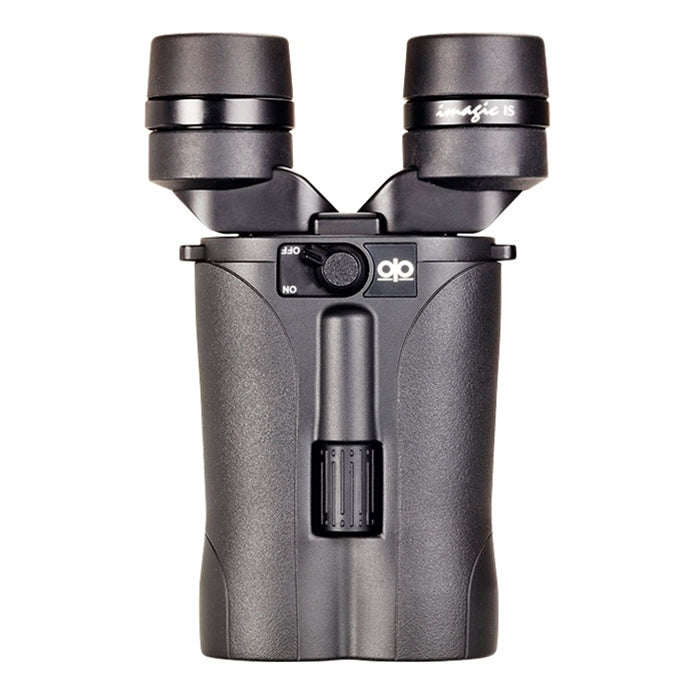
Popular Image Stabilized Binoculars
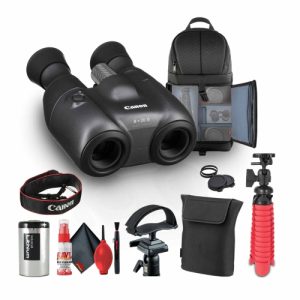
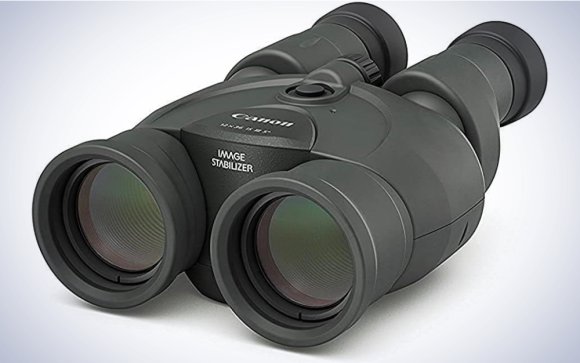
Many popular brands offer image stabilized binocularsfor astronomy. These binoculars help reduce shaking, making stars and planets clearer. Some top models include:
- Canon 10×30 IS II
- Nikon StabilEyes 10×30 ATB
- Fujinon Techno-Stabi 14×40
- Vortex Optics Viper HD 10×42
User reviews often praise the steady viewand comfortduring long sky watching sessions. Ratings usually range from 4 to 5 stars. Many users find them easy to useand great for beginners.
| Brand & Model | User Rating | Key Features |
|---|---|---|
| Canon 10×30 IS II | 4.5/5 | Strong image stabilization, lightweight |
| Nikon StabilEyes 10×30 ATB | 4.3/5 | Good optics, easy to hold |
| Fujinon Techno-Stabi 14×40 | 4.6/5 | High magnification, sharp image |
| Vortex Optics Viper HD 10×42 | 4.4/5 | Bright view, durable design |
Credit: www.urbannaturestore.ca
Credit: www.popsci.com
Frequently Asked Questions
What Are Image Stabilized Binoculars?
Image stabilized binoculars use technology to reduce hand-shake vibrations. This provides a steadier and clearer view, especially at higher magnifications. They are ideal for activities requiring stable images like birdwatching and astronomy.
Can They Improve Stargazing Experience?
Yes, image stabilized binoculars significantly enhance stargazing. They minimize image shake, making it easier to observe faint celestial objects. This stability helps in viewing planets, stars, and the moon more clearly.
Are Image Stabilized Binoculars Better Than Telescopes?
Not necessarily. Binoculars offer portability and ease of use but have lower magnification. Telescopes provide higher magnification and detail but are less portable. Both have unique advantages depending on the user’s needs.
What Magnification Is Ideal For Astronomy Binoculars?
Magnifications between 7x and 12x are ideal for astronomy binoculars. Higher magnifications may cause more shake without stabilization. Image stabilization helps maintain clarity even at these higher magnifications.
Conclusion
Image stabilized binoculars offer steady views of the night sky. They reduce shaking, making stars and planets clearer. These binoculars are helpful for beginners and casual stargazers. While not as powerful as telescopes, they still enhance the experience. They work best for wide views, like star clusters or the moon.
Portability and ease of use make them a good choice. Choose the right model based on your needs and budget. Enjoy exploring the stars with less strain and more comfort.