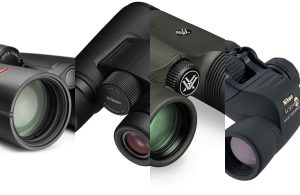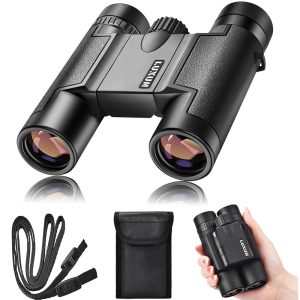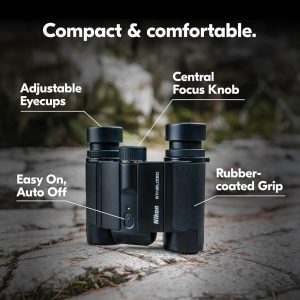

Winter is coming, and if you own waterproof binoculars, you might be wondering how to keep them safe and ready for use when the cold months arrive. You rely on your binoculars for clear views, whether it’s birdwatching, hiking, or spotting wildlife.
But harsh winter conditions can damage them if you don’t store them properly. You’ll discover simple, effective ways to protect your waterproof binoculars during winter. Keep reading to make sure your gear stays in perfect shape, so you never miss a moment when spring returns.
Prepare Binoculars For Storage
Clean and dry your waterproof binoculars before storing to prevent moisture damage. Keep them in a cool, dry place with a protective case to avoid dust and scratches. Remove batteries to stop corrosion during winter storage.
Clean Lenses And Body
Wipe lenses gently with a soft cloth. Use a lens cleaner for tough spots. Dust off the body with a dry cloth. Ensure no dirt remains on the surface.
Remove Batteries
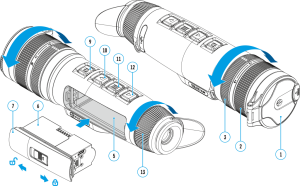
Take out the batteries before storing. This prevents leaks and damage. Store batteries separately in a dry place. Always check battery terminals for rust.
Check For Moisture
Inspect binoculars for any moisture. Use a dry cloth to wipe them. Ensure all parts are dry before storing. Moisture can damage the device.
Choose The Right Storage Location
Choose a place that stays cool and dry. Avoid spots that get too hot or too cold. Extreme temperatures can damage the binoculars.
Pick a dry environmentto stop moisture from building up. Moisture can cause mold and rustinside the binoculars.
- Keep binoculars away from direct sunlight.
- Sunlight can fadethe lenses and damagethe outer coating.
- Store them in a shadeor inside a cabinet.
Use Protective Cases And Covers
Padded casesprotect binoculars from bumps and scratches. They keep the lenses safe and clean during storage. Soft padding stops damage from falls or pressure. Cases also block dust and dirt from reaching the binoculars. A good case fits snugly, preventing the binoculars from moving inside.
Using silica gel packshelps control moisture inside the case. These packs absorb water and stop mold or rust. Place a few packs inside the case with the binoculars. Replace them if they become saturated. This simple step keeps the binoculars dry and working well all winter long.

Credit: www.instagram.com
Maintain Binoculars During Winter
Regularly check your waterproof binoculars for any damage. Look for cracks, loose parts, or fog inside the lenses. Clean the lenses gently with a soft cloth to keep vision clear. Store binoculars in a dry place to avoid moisture build-up. Use silica gel packs to absorb extra moisture inside the storage case.
Avoid sudden temperature changes. Moving binoculars from cold to warm places can cause fogging inside. Keep them in a stable environment to protect the seals and lenses. Let binoculars adjust slowly to new temperatures before use or storage.
Prepare For Use After Winter
Before using your waterproof binocularsafter winter, check for any fogginginside the lenses. Fogging can affect clear vision. Also, inspect for cracksor other damageon the body or lenses. Small problems can get worse if ignored.
Cleaning is key. Use a soft cloth to gently wipe the lenses. Avoid harsh chemicals that can harm the coating. For the moving parts, apply a small amount of lubricantto keep them working smoothly. This helps the binoculars open and close easily.
Proper care ensures your binoculars stay in good shape and ready for use.

Credit: zenbivy.com
Credit: www.gearx.com
Frequently Asked Questions
How Do I Prepare Waterproof Binoculars For Winter Storage?
Clean your binoculars thoroughly and dry them completely. Remove batteries if applicable. Store in a cool, dry place away from direct sunlight to prevent damage.
Can Moisture Damage Waterproof Binoculars During Winter?
Yes, moisture can still harm seals and lenses. Always dry binoculars after use and store with silica gel packs to absorb excess humidity.
Should I Keep Waterproof Binoculars In A Case During Winter?
Yes, storing binoculars in a protective case helps shield them from dust, moisture, and temperature fluctuations, extending their lifespan during winter storage.
How Often Should I Check Stored Waterproof Binoculars In Winter?
Inspect your binoculars monthly for moisture or mold. Wipe them down if needed and ensure storage conditions remain dry and stable.
Conclusion
Storing waterproof binoculars correctly helps keep them safe and ready. Clean them well before putting them away. Use a dry, cool place to avoid damage. Keep them in a protective case to stop dust and moisture. Check them now and then during winter months.
This care extends their life and performance. Enjoy clear views when you use them again. Simple steps make a big difference. Protect your binoculars for many seasons to come.