When winter arrives, your hiking binoculars need special care to stay in top shape. If you leave them out in the cold or store them carelessly, you risk damage that can ruin your next adventure.
You want your binoculars to be ready, clear, and sharp whenever you hit the trails again. You’ll discover simple, effective ways to store your hiking binoculars during winter. Follow these tips to protect your gear and make sure it lasts for many seasons to come.
Keep reading—your binoculars will thank you!
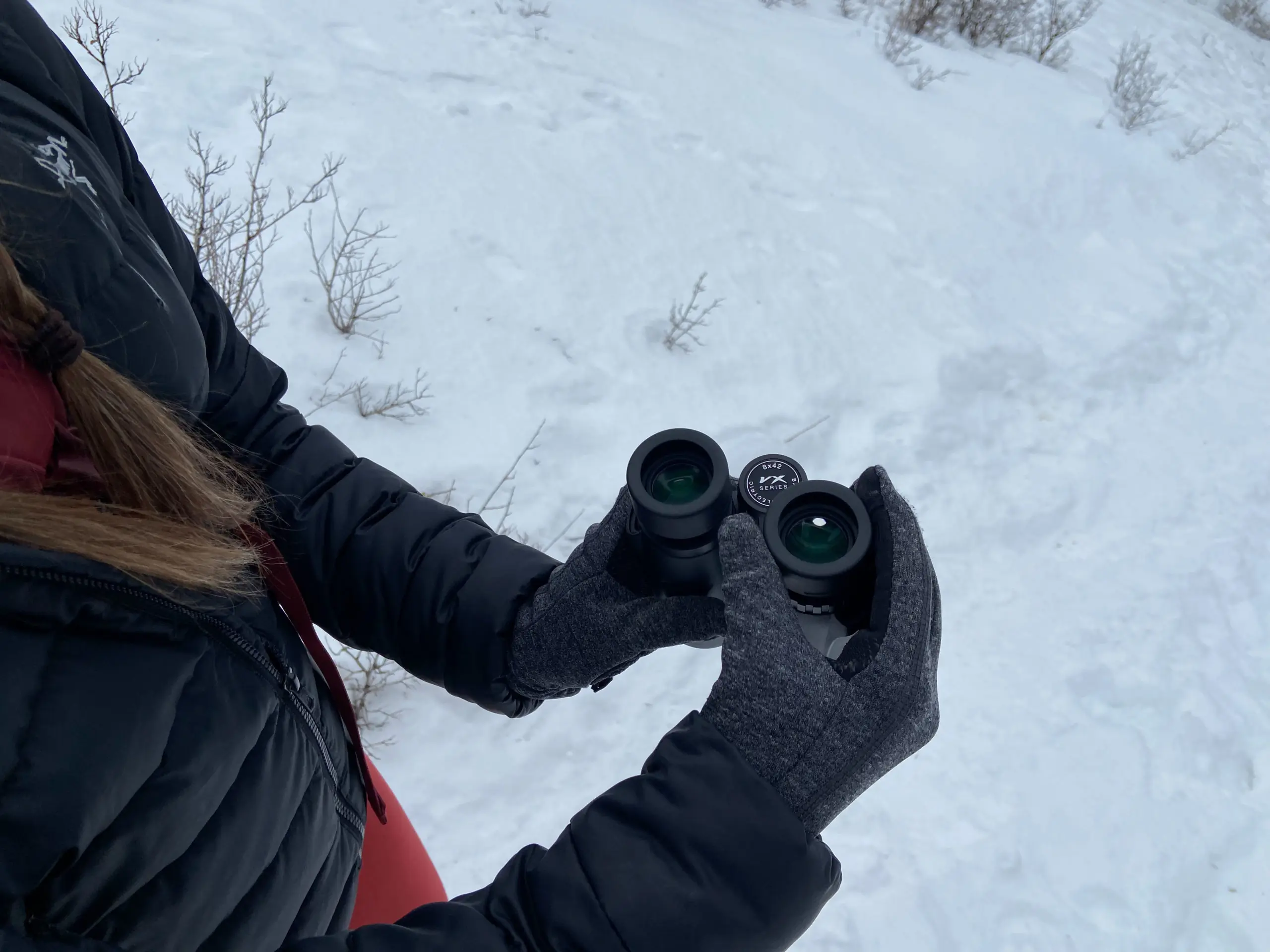
Credit: gearjunkie.com
Choosing The Right Storage Location
Choose a cool, dry placefor storing hiking binoculars during winter. Avoid spots that get very cold or very hot. Extreme temperatures can damage lenses and seals.
Keep the binoculars away from direct sunlight. Sunlight can cause the materials to warp or fade.
| Temperature Range | Effect on Binoculars |
|---|---|
| Below 32°F (0°C) | May cause lens fogging or seal damage |
| 32°F – 68°F (0°C – 20°C) | Ideal for storage |
| Above 68°F (20°C) | Can warp or weaken materials |
- Use silica gel packs to control moisture inside the storage case.
- Store binoculars in a sealed container to keep humidity low.
- Avoid damp basements or garages that can cause rust or mold.
Preparing Binoculars For Storage
Clean binoculars with a soft, dry cloth to remove dust and dirt. Avoid using water or harsh chemicals. Wipe lenses gently to prevent scratches.
Check for moisture inside the lenses. Use silica gel packs to absorb any dampness. This helps stop mold and fog buildup.
Apply a light coat of lens protector if available. It guards against scratches during storage.
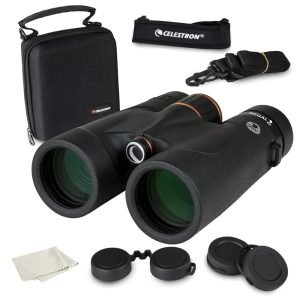
- Use a padded case to protect from bumps and drops.
- Choose a cover that fits snugly to keep dust out.
- Store binoculars in a cool, dry place away from direct sunlight.
- Avoid leaving binoculars near heaters or damp areas.
Keeping binoculars in a protective cover and case ensures they stay safe over winter. Proper care helps them last longer and stay clear for your next adventure.
Avoiding Common Storage Mistakes
Direct sunlight can cause damage to your binoculars over time. UV raysmay fade the lenses and harm the rubber coating. Store binoculars in a cool, shaded place to protect them.
Skipping regular check-ups can lead to dust buildup and mold growth inside. Clean lenses gently with a soft cloth. Check for any moisture or dirt before storing. This keeps your binoculars ready for the next hike.

Credit: www.amazon.com
Using Desiccants For Moisture Control
Desiccantshelp keep binoculars dry by absorbing moisture. They prevent foggingand mold growthinside your gear. Different types work best for different needs.
- Silica gel:Most common and reusable.
- Clay desiccants:Natural and eco-friendly but less effective.
- Calcium chloride:Very strong but can be messy.
- Activated charcoal:Removes odors and moisture.
Place desiccants inside the binocular case or storage box. Make sure they do not touch lenses directly to avoid damage. Replace or recharge desiccants regularly for best results.
Long-term Storage Solutions
Use dedicated storage containersto protect binoculars from dust and moisture. Soft cases with padding prevent scratches and damage. Hard cases offer extra protection against impacts. Make sure the case is sealed wellto keep out dirt.
Store binoculars in climate-controlled spacesto avoid damage from extreme cold or heat. Avoid places like garages or sheds that get very cold or damp. A room inside the house with stable temperature works best. This helps prevent foggingand mold growth.
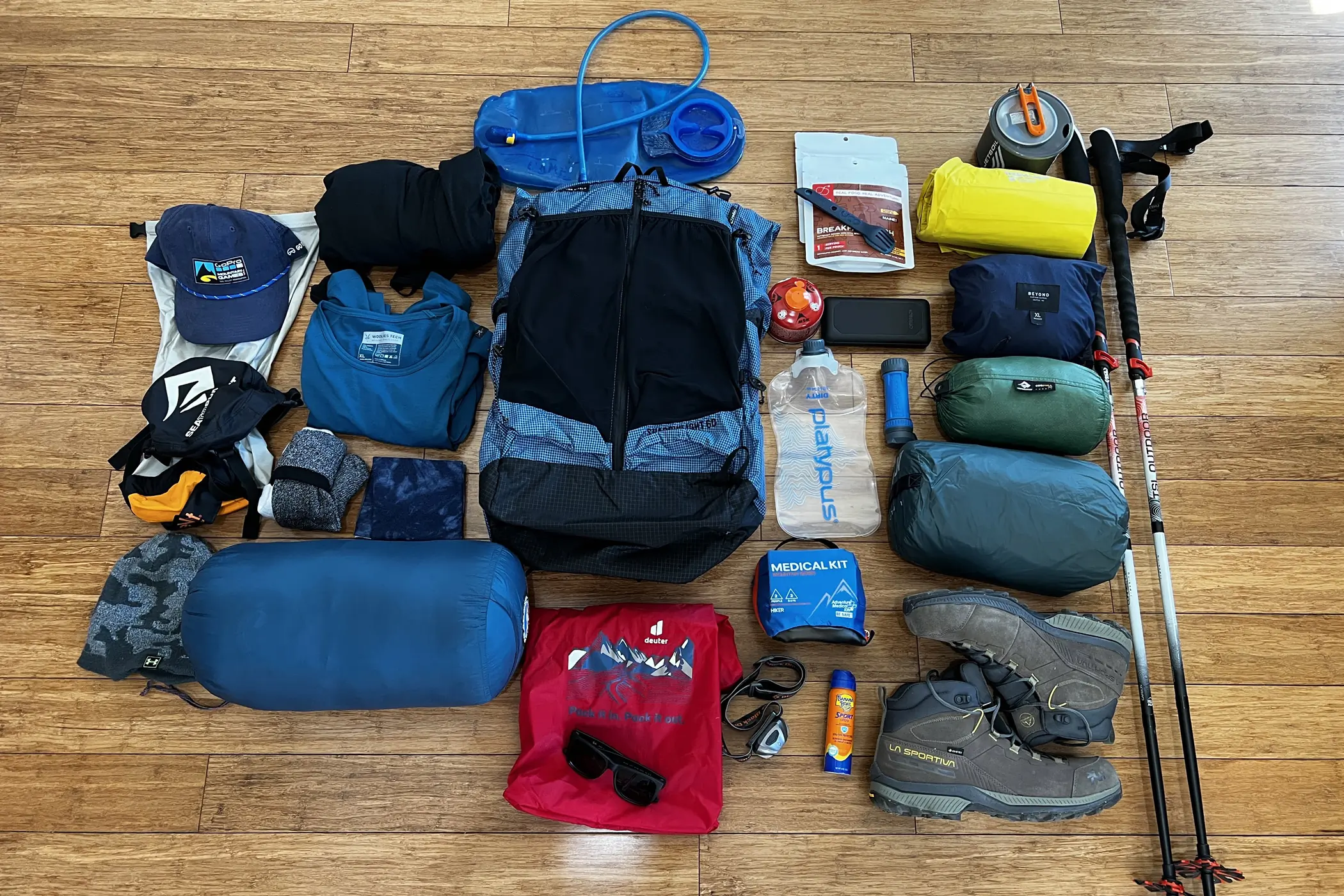
Credit: gearjunkie.com
Frequently Asked Questions
How Should I Clean Hiking Binoculars Before Winter Storage?
Clean lenses gently with a microfiber cloth to avoid scratches. Remove dirt and moisture using a soft brush. This prevents mold and damage during storage.
What Is The Best Temperature For Storing Binoculars In Winter?
Store binoculars in a cool, dry place between 40°F and 70°F. Avoid extreme cold or heat to protect internal components and coatings.
Should I Remove Batteries From Binoculars Before Winter Storage?
Yes, remove batteries to prevent leakage and corrosion. Store batteries separately in a cool, dry place for safety and longevity.
How To Protect Binoculars From Moisture During Winter Storage?
Use silica gel packs or dry cotton cloths inside the storage case. This helps absorb moisture and prevents mold and fogging.
Conclusion
Storing hiking binoculars properly keeps them safe through winter. Clean lenses and dry body prevent damage and fog. Use a soft case or pouch to protect from dust. Avoid places with extreme cold or moisture. Check your binoculars before next hiking trip.
Simple care helps your gear last longer. Ready for spring adventures with clear views!