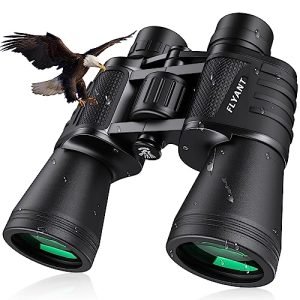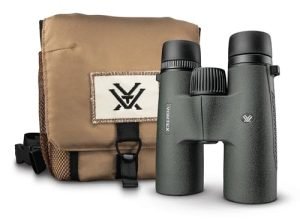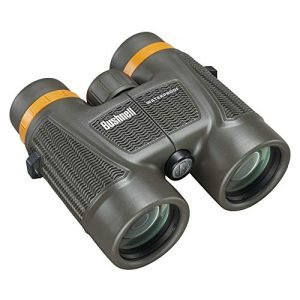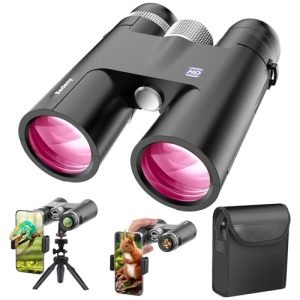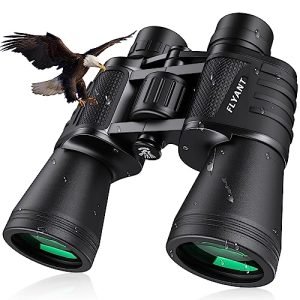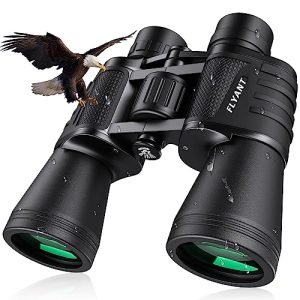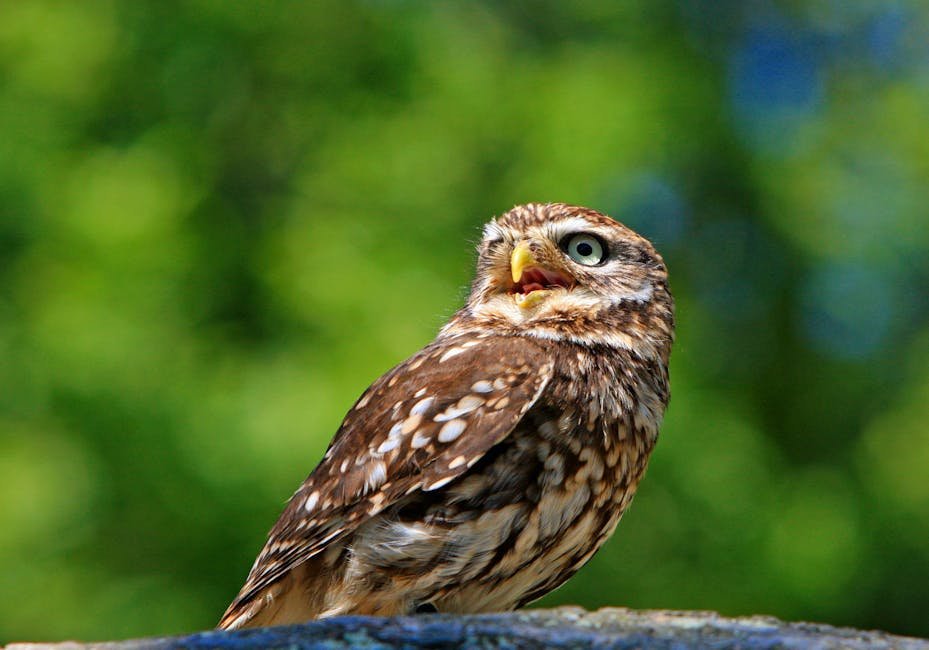
Are you ready to experience wildlife like never before? Choosing the right binoculars can transform your outdoor adventures, bringing distant animals into sharp, vivid view.
But with so many options out there, how do you find the perfect pair that fits your needs and budget? This guide will help you cut through the confusion and make a choice you’ll be happy with every time you head into nature.
Keep reading to discover simple tips that will unlock stunning wildlife moments just for you.
Credit: m.youtube.com
Types Of Binoculars
Compact binocularsare small and light. They fit in your pocket easily. Great for quick trips or hikes. They may not show as much detail as bigger ones. Ideal if you want something easy to carry.
Standard binocularsare the most common type. They have better lenses and offer clearer views. Good for watching animals from a distance. They weigh more but show sharper images. Perfect for serious wildlife watchers.
Zoom binocularslet you change the zoom level. You can see far or near without switching devices. They may be heavier and harder to keep steady. Useful if you want flexibility in viewing distances.
Key Features To Consider
Magnificationshows how close objects appear. Choose 8x or 10x for wildlife. Higher magnification can be shaky and hard to hold steady.
The objective lenssize affects brightness. A larger lens (like 42mm) gathers more light for clear images in low light.
Field of viewis how wide you see through binoculars. A wide view helps spot animals faster and follow movement easily.
Lens coatingreduces glare and improves light transmission. Fully multi-coated lenses give brighter and sharper images.
| Feature | What It Means | Why It Matters |
|---|---|---|
| Magnification | How close objects appear | Higher magnification shows more detail but can shake |
| Objective Lens | Diameter of front lenses | Bigger lens means brighter images in dim light |
| Field of View | Width of visible area | Wide view helps spot and track animals easier |
| Lens Coating | Special layers on lenses | Improves brightness and reduces glare |
Importance Of Eye Relief
Eye reliefis the distance between your eyes and the binocular lens. It is very important for comfort, especially if you wear glasses. Longer eye relief means you can see the full view without moving your eyes too much.
Short eye relief can cause a smaller field of view and make watching uncomfortable. For glasses wearers, choose binoculars with at least 15mm eye relief. This helps to see clearly without removing glasses.
- Comfortable viewing for long periods
- Allows full field of vision
- Essential for glasses wearers
- Prevents eye strain and headaches

Credit: www.instagram.com
Weatherproof And Durability
Waterproof binocularskeep water out during rain or wet conditions. They use special seals to stop water from entering. This feature helps protect the lenses and internal parts. It also ensures clear views even in damp weather.
Fogproof technologyprevents inside lens fogging. This happens when temperature changes quickly. Binoculars are filled with dry nitrogen or argon gas to stop fog. This keeps your view clear in cold or humid places.
- Waterproof seals keep moisture out
- Nitrogen or argon gas prevents fog inside
- Protects lenses and internal parts
- Ensures clear viewing in tough weather
Comfort And Ergonomics
Binoculars should be light enoughto carry for long times. Heavy binoculars can cause arm tirednessquickly. Choose a weight that feels comfortableto hold.
The gripof binoculars matters. Look for models with rubber coatingsor textured surfaces. These help prevent slipping, even if hands get sweaty or wet. Good grip means better controlduring wildlife watching.
| Weight Range | Use Case |
|---|---|
| Under 500 grams | Ideal for long hikes and all-day use |
| 500-800 grams | Good balance of weight and durability |
| Above 800 grams | Better for short trips or stationary viewing |
Budgeting For Binoculars
Binoculars come in many price ranges. Affordable optionscan still offer good quality for beginners. These models often have lower magnification and smaller lenses but work well for casual wildlife watching. Brands like Nikon, Bushnell, and Celestron offer reliable choices under $100. They are lightweight and easy to carry.
High-end choicesprovide sharper images and better light gathering. They usually cost $300 or more. These binoculars have wider lenses, better coatings, and stronger build quality. Ideal for serious wildlife watchers who need clear views in low light or dense forests. Popular brands include Leica, Swarovski, and Vortex.
| Feature | Affordable Options | High-End Choices |
|---|---|---|
| Price | Under $100 | $300 and above |
| Lens Size | Small (20-30mm) | Large (40-50mm) |
| Weight | Lightweight | Heavier |
| Image Quality | Good | Excellent |
| Best For | Casual use | Serious observers |
Testing And Trying Before Buying
Testing binoculars in-store lets you feel their weight and size. You can check how easy they are to hold and focus. Trying them on real objects helps you see the clarity and brightness. This hands-on experience shows if they fit your hands well. Comfort matters for long wildlife watching sessions.
Reading online reviews and ratings gives helpful user opinions. Look for comments about durability, lens quality, and ease of use. Reviews often mention problems or great features you might miss. High ratings and many reviews usually mean good products. Compare different models to find the best value.

Credit: www.youtube.com
Frequently Asked Questions
What Magnification Is Best For Wildlife Binoculars?
A magnification of 8x to 10x is ideal for wildlife watching. It offers a clear view while maintaining stability and a wide field of view.
How Important Is Lens Size In Binoculars?
Lens size affects brightness and image clarity. Larger lenses, like 42mm, gather more light for better views in low light conditions.
Should I Choose Waterproof Or Fog-proof Binoculars?
Yes, waterproof and fog-proof features protect binoculars from weather and humidity. They ensure durability and clear vision in outdoor environments.
What Role Does Field Of View Play In Wildlife Watching?
A wide field of view helps track moving animals easily. It allows you to see more area without constantly adjusting the binoculars.
Conclusion
Choosing the right binoculars makes wildlife watching more fun and clear. Focus on size, weight, and lens quality. Comfort matters for long trips outdoors. A good pair helps you see animals from far away. Take your time to compare different models.
Your perfect binoculars fit your needs and budget. Enjoy nature with sharp, bright views every time. Keep these tips in mind for your next adventure. Happy wildlife watching!