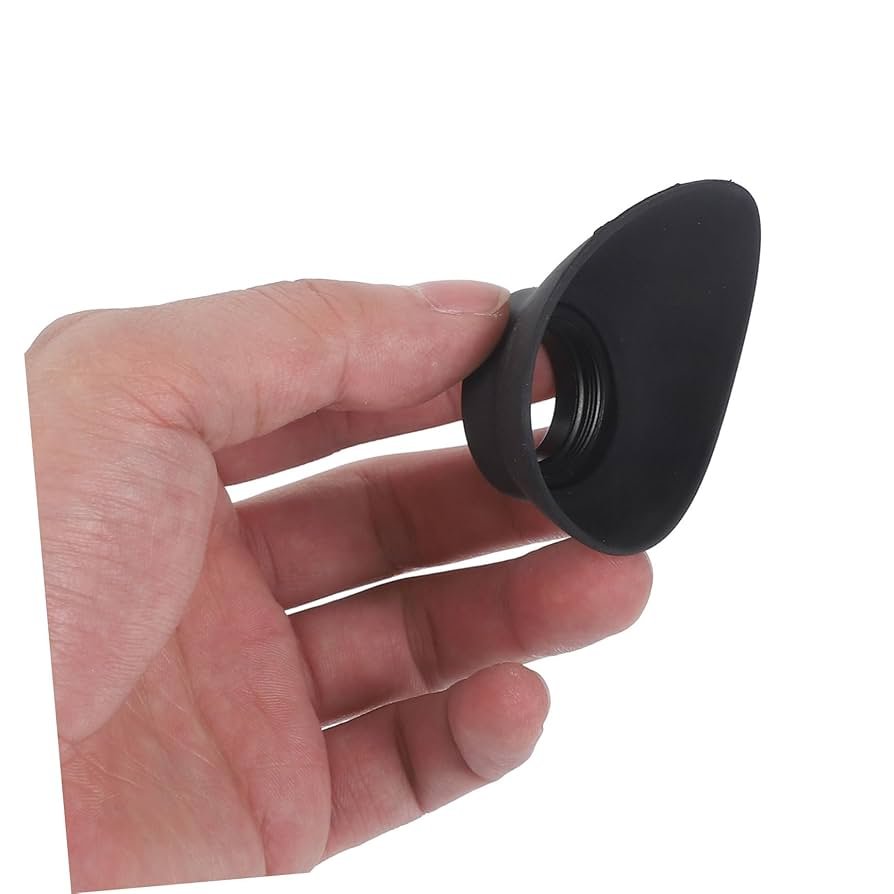
Have you noticed a tear in your rubber eye cups and worried it might ruin your comfort or gear? Fixing those small rips yourself is easier than you think.
Imagine saving money and extending the life of your equipment with a simple repair you can do at home. In this guide, you’ll discover straightforward steps to restore your rubber eye cups quickly and effectively. Keep reading, and you’ll learn how to get your gear feeling like new again in no time.

Credit: www.reddit.com
Common Causes Of Tears In Rubber Eye Cups
Rubber eye cups tear due to several common reasons. Frequent usecauses wear and weak spots. Exposure to sunlightmakes rubber dry and brittle. Sudden pulling or stretchingcan create small tears.
Sometimes, improper storagenear heat or sharp objects causes damage. Dirt and sweat can also break down the rubberover time.
- Age of the rubber material
- Contact with harsh chemicals or cleaning agents
- Accidental drops or bumps
- Repeated bending or twisting

Credit: www.amazon.com
Tools And Materials Needed
Essential tools and materials help fix rubber eye cups quickly. Gather a clean cloth to wipe the area. Use mild soap and water for cleaning. A small tube of rubber adhesive is needed to bond the tear. Sandpaper with fine grit smooths rough edges around the tear. Scissors can trim any loose rubber bits carefully. A toothpick or small stick aids in applying glue precisely. Have some masking tape or clips ready to hold the parts together while drying. Gloves protect your hands from sticky glue. A well-lit workspace makes the repair easier and more accurate.
Preparing The Eye Cups For Repair
Start by cleaning the rubber eye cups thoroughly. Use mild soap and warm water to remove dirt and oils. Rinse well and pat dry with a soft cloth. Make sure the surface is completely dry before repair.
Inspect the tear carefully. Check if the edges are smooth or jagged. Trim any rough edges gently to help the repair material stick better.
Prepare a clean workspace. Lay down a soft cloth to protect the eye cups. Keep all repair tools and materials close for easy access.
- Use gloves to avoid oils from your hands.
- Work in a well-lit area to see the tear clearly.
- Gather adhesive or patch material suitable for rubber.
Using Adhesive To Fix Small Tears
Choosing the right glue is key for fixing small tears in rubber eye cups. Use a flexible adhesivethat works well with rubber. Super glue or rubber cement often works best. Avoid glues that dry hard or brittle. They can crack and cause more damage.
Clean the torn area with rubbing alcohol. This removes dirt and oils. Let it dry completely before gluing. Apply a small amount of glue to the tear. Press the edges together firmly. Hold them in place for a few minutes to set.
Let the glue cure for several hours or overnight. This ensures a strong bond. Avoid stretching or bending the eye cup during this time. Once dry, check if the tear is sealed well. Repeat if needed for better repair.
Applying Rubber Patches For Larger Damage
Choose a patch made from soft rubberthat matches the eye cup’s material. Thin, flexible patches work best for better comfort and durability. Avoid patches that are too thick or hard.
Clean the damaged area well. Use rubbing alcoholto remove dirt and oils. Let it dry completely to help the patch stick better.
Apply a strong rubber adhesiveon both the patch and the eye cup. Press the patch firmly onto the tear. Hold it for a few minutes to ensure a tight bond.
Leave the patched cup in a dry place for several hours. This helps the glue set firmly. Avoid using the eye cup during this time to prevent the patch from peeling off.
Preventing Future Tears
Cleaning rubber eye cups gently helps stop future tears. Use a soft cloth and mild soap with water. Avoid harsh chemicals or rough scrubbing. Rinse well and dry with a clean towel to keep the rubber soft and strong.
Proper storage keeps eye cups safe and lasting longer. Store them in a cool, dry place away from direct sunlight. Avoid folding or squeezing the rubber to prevent cracks. Keeping them in a small box or pouch works well.
| Proper Cleaning Techniques | Storage Tips |
|---|---|
|
|
When To Replace Eye Cups Instead Of Repairing
Eye cups with big tears or deep cracks should be replaced. Small holes might be fixed, but large damage weakens the cup. Worn-out rubber loses shape and comfort. If the cup feels stiff or breaks easily, replacement is best. Also, cups that cause eye irritation or redness need changing. Using damaged cups can hurt your eyes or cause infection. Check cups regularly for signs of wear. Clean them gently to keep them soft. Replacement is safer than a risky repair in many cases.

Credit: www.amazon.com
Frequently Asked Questions
How Can I Fix Small Tears In Rubber Eye Cups?
Use rubber adhesive or super glue to seal small tears. Clean the area first, apply glue carefully, and let it dry completely for a strong bond.
What Materials Are Best For Repairing Rubber Eye Cups?
Rubber cement, super glue, or silicone adhesive work best. They provide flexibility and durability, ensuring the tear stays sealed during use.
How Long Does A Rubber Eye Cup Repair Last?
A proper repair can last several months to years. Longevity depends on tear size, adhesive quality, and how often you use the eye cups.
Can I Prevent Tears In Rubber Eye Cups?
Yes, avoid stretching or bending them excessively. Store in a cool, dry place and clean gently to extend their lifespan.
Conclusion
Repairing rubber eye cup tears is simple with the right approach. Gather your materials and follow the steps carefully. Ensure the rubber is clean before applying adhesive. Patience is key; give the glue enough time to dry. Check the repair by gently flexing the rubber.
Successful repairs extend the life of your gear. Regular maintenance prevents future damage. Share your repair success with friends. Encourage them to try this method. Enjoy using your equipment with confidence. Keep practicing these steps for reliable results every time.
Happy repairing!