Have your wildlife binoculars ever let you down at the worst moment? Whether you dropped them during a hike or noticed a crack in the lens, damaged binoculars can ruin your outdoor experience.
But don’t worry—you don’t have to buy a new pair right away. In this guide, you’ll learn simple, practical steps to fix your wildlife binoculars quickly and effectively. Keep reading, and you’ll be back to spotting birds and animals with clear, sharp views in no time.
Assessing Damage
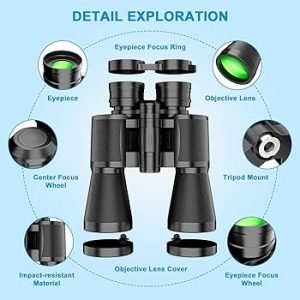
Start by checking the outer bodyfor cracks or dents. Look closely at the lensesfor scratches, dirt, or fogging. These are common problems that affect image quality.
Test the focus wheeland eyepieces. Make sure they move smoothly without sticking or grinding sounds. Check for loose partsthat may fall off or cause damage.
Inspect the rubber armorcoating. It protects the binoculars from shocks. If it is peeling or missing, the binoculars might be more prone to damage.
- Look for moisture inside the lenses or body.
- Check for dirt or dust in the moving parts.
- Test the alignment by looking through both eyepieces.
Cleaning Binoculars
Start by gently blowing off loose dust using a soft brush or air blower. Avoid using your breath as it can add moisture. Use a microfiber cloth to wipe the lenses carefully. Always wipe in a circular motion to prevent scratches.
For stubborn dirt, dampen the cloth slightly with lens cleaner or distilled water. Never apply liquids directly to the lenses. Clean the binocular body with a soft, dry cloth to remove debris. Keep the binoculars in a case to avoid dust buildup.
Fixing Focus Problems
The focus mechanismcontrols how sharp the image looks. Sometimes it gets loose or stuck. To fix this, gently turn the focus knob back and forth. This can loosen any dirt inside.
If the focus knob feels stiff, apply a tiny drop of lubricant on the knob’s moving parts. Use a lubricant made for small tools. Avoid using too much to stop dirt buildup.
Check for any dust or debris around the focus ring. Clean it carefully with a soft cloth or a small brush. This can help the knob move smoothly again.
- Turn the focus knob slowly to test movement
- Use proper lubricant sparingly
- Remove dirt with a soft cloth or brush
- Do not force the knob if it feels stuck

Credit: www.facebook.com
Repairing Loose Parts
Loose parts can make binoculars hard to use. Tightening screwshelps fix this issue. Use a small screwdriver to gently turn each screw. Avoid forcing screws too tight to prevent damage. Check all screws, not just the obvious ones.
Reattaching rubber armorkeeps binoculars protected. If the rubber is loose, carefully peel it back. Clean the surface underneath with a soft cloth. Apply a small amount of strong glue or adhesive tape. Press the rubber firmly to the binoculars and hold for a few minutes.
- Use the right size screwdriver for screws.
- Keep screws snug, not overly tight.
- Clean surfaces before gluing rubber armor.
- Use non-damaging glue for flexible hold.
- Let glue dry fully before use.
Addressing Optical Misalignment
Damaged binoculars often suffer from optical misalignment. This causes blurred or double vision. Aligning prismsis key to fix this issue. The prisms inside must be positioned correctly to reflect light properly.
To correct double vision, gently loosen the screws holding the prism housing. Move the prisms slightly until the images from both eyepieces match perfectly. Tighten the screws carefully to keep the alignment stable.
- Use a soft cloth to avoid scratching lenses.
- Adjust in small steps for better precision.
- Test the view after each adjustment.
- Work in a well-lit area for clear visibility.

Credit: www.facebook.com
Water Damage Solutions
Remove all batteries and open the binoculars carefully to let air flow inside. Use a soft cloth to wipe away visible water. Place the binoculars in a warm, dry place. Silica gel packs or uncooked rice can help absorb moisture faster. Avoid using direct heat like hairdryers as it can damage lenses and seals.
Seal any small cracks or gaps with waterproof tape or silicone. Store binoculars in a dry case with silica gel packets. Avoid exposing them to heavy rain or submersion. Regularly check the seals and replace worn parts to keep water out. Use lens covers during wet weather to protect optics.
Maintaining Binoculars
Keep binocular lenses clean using a soft, lint-free cloth. Avoid touching lenses with fingers to prevent smudges. Use a small brush or air blower to remove dust and dirt gently. For stubborn dirt, use lens cleaning fluid made for optics. Dry lenses carefully to avoid scratches.
Store binoculars in a dry, cool place to prevent moisture damage. Use a protective case to shield from dust and impacts. Avoid leaving binoculars in direct sunlight or hot areas. Keep them away from water unless they are waterproof models. Regular checks help catch damage early.

Credit: www.facebook.com
Frequently Asked Questions
How Do I Fix Blurry Images In Wildlife Binoculars?
Blurry images often result from misaligned lenses. Gently adjust the focus knobs and ensure lenses are clean. If blur persists, realign the prisms or consult a professional repair service.
What Should I Do If My Binoculars Fog Up Inside?
Internal fogging occurs due to moisture. Open the binoculars carefully to dry or use silica gel packs in storage. For sealed models, professional servicing may be needed to restore the waterproof seal.
Can I Repair Cracked Binocular Lenses Myself?
Minor scratches can be polished with a lens cleaning kit. However, cracked lenses usually require replacement by a specialist to avoid damaging optical quality.
How To Fix Stuck Or Loose Focus Knobs?
Stuck knobs often have debris or dried lubricant inside. Clean and apply a small amount of silicone-based lubricant. Loose knobs might need tightening or part replacement for smooth operation.
Conclusion
Damaged wildlife binoculars can often be fixed at home. Clean lenses gently and check for loose parts first. Tighten screws carefully and replace broken pieces if needed. Small repairs save money and extend binocular life. Take care to avoid water or dust inside the device.
Regular maintenance keeps your binoculars ready for any adventure. With patience and simple steps, your gear can work like new again. Keep exploring nature without worry or delay.