Your camping binoculars are your window to nature’s beauty. But when the eyepieces get dirty, your view becomes blurry and frustrating.
You want clear, sharp images every time you look through them. So, how do you clean your binocular eyepieces without damaging them? You’ll discover simple, effective steps to keep your eyepieces spotless and your outdoor adventures crystal clear. Keep reading—you’re just moments away from perfect vision on your next trip.
Essential Cleaning Supplies
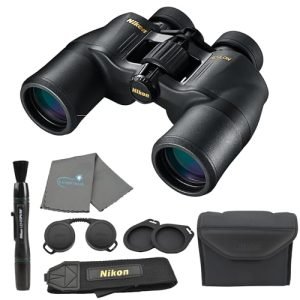
Cleaning camping binocular eyepieces needs the right toolsand solutions. Use a soft microfiber clothto avoid scratches. A lens brushhelps remove dust gently. A blowing air bulbclears loose dirt without touching lenses.
Choose safe cleaning liquids. Use only a few drops of lens cleaning solution. Avoid harsh chemicals like alcohol or ammonia. These can damage lens coatings. Plain water or a mix of water and mild soap also works well.
| Recommended Tools | Safe Cleaning Solutions |
|---|---|
| Microfiber cloth | Lens cleaning solution |
| Lens brush | Water and mild soap mix |
| Air blower bulb | Avoid alcohol & ammonia |
Preparing For Cleaning
Carefully check the eyepieces for dust, dirt, or smudges. Notice any scratches or damage that might need special care. Avoid cleaning if lenses look cracked or broken.
Create a clean, dust-free space to clean your binoculars. Choose a quiet place away from wind or dust. Lay a soft cloth or towel to protect your equipment.
- Use clean hands or wear gloves to avoid adding oils.
- Turn off any electronic features on binoculars if available.
- Keep cleaning tools ready: lens brush, microfiber cloth, and cleaning solution.
Step-by-step Cleaning Process
Start by gently blowing air on the eyepieces to remove loose dust. Use a soft brush or lens cleaning brush to sweep away stubborn particles. Avoid using your fingers to prevent smudges or scratches.
Use a microfiber cloth or lens tissue for cleaning. Lightly moisten the cloth with lens cleaner or distilled water. Wipe the eyepieces in a circular motion to avoid streaks. Never apply liquid directly to the lenses.
After cleaning, use a dry part of the cloth to remove any moisture. Check the eyepieces under light to ensure they are clear. Store your binoculars in a protective case to keep them clean.

Credit: www.amazon.com
Common Mistakes To Avoid
Using harsh chemicalscan damage the eyepiece lenses. Avoid cleaners with ammonia, alcohol, or acetone. These substances may harm lens coatings and reduce clarity.
Always follow the manufacturer guidelines. Each binocular model has specific care instructions. Ignoring them can void warranties or cause damage. Use only recommended cleaning tools and solutions.
Maintenance Tips For Longevity
Cleaning eyepieces often keeps binoculars clear and sharp. Use a soft brush or air blower to remove dust gently. Avoid touching lenses with fingers to prevent smudges.
Use a microfiber cloth for wiping lenses softly. Apply small circular motions to clean without scratching. If needed, use lens cleaning solution made for optics.
Store binoculars in a dry, cool place to avoid mold and damage. Keep them in a protective case to stop dust and moisture.
Do not leave binoculars in direct sunlight or hot places. This can harm lens coatings and materials.
- Clean eyepieces every few weeks or after heavy use.
- Always close lens caps when not in use.
- Check for dirt or moisture before storing.
- Keep binoculars away from harsh chemicals.

Credit: www.facebook.com
Expert Insights
Cleaning eyepieces needs care and the right tools. Experts say using a soft brushor a blowerhelps remove loose dust without scratching. Avoid using rough cloth or your fingers to wipe lenses.
For smudges or dirt, a lens cleaning solutionmade for optics works best. Apply it to a microfiber cloth, never directly on the eyepiece. Wipe gently in a circular motion to avoid damage.
- Always clean in a dust-free area.
- Keep eyepieces covered when not in use.
- Store binoculars in a dry place to prevent mold.
- Consult the manual for specific cleaning tips.
Following these simple steps keeps your binoculars clear and ready. Clean eyepieces give you better viewsand protect your gearfor many camping trips.

Credit: www.amazon.com
Frequently Asked Questions
How Often Should I Clean Camping Binocular Eyepieces?
Clean eyepieces after every few uses, especially in dusty or wet conditions. Regular cleaning ensures clear vision and protects lenses from damage.
What Materials Are Best For Cleaning Binocular Eyepieces?
Use a soft microfiber cloth and lens cleaning solution. Avoid harsh chemicals or rough fabrics that can scratch or damage the lenses.
Can I Use Household Cleaners On Binocular Lenses?
No, household cleaners can damage lens coatings. Always use products designed specifically for optics to maintain clarity and protect coatings.
How Do I Remove Stubborn Dirt From Eyepieces Safely?
Use a soft brush or air blower first to remove loose dirt. Then gently wipe with a microfiber cloth and lens cleaner.
Conclusion
Cleaning your camping binoculars’ eyepieces keeps your view clear. Use soft cloths and gentle brushes to avoid scratches. Avoid harsh chemicals that can damage lenses. Regular care improves your binoculars’ lifespan and performance. A clean lens means better outdoor experiences every time.
Take a moment to clean your eyepieces after each trip. Your eyes will thank you with sharper, clearer sights. Simple steps make a big difference in your adventures. Keep your binoculars ready for the next outdoor journey.