You rely on your waterproof surveillance binoculars to deliver clear, sharp views no matter the weather. But are you taking the right steps to keep them working perfectly?
Proper maintenance can extend the life of your binoculars and ensure they never let you down when you need them most. You’ll discover simple, effective ways to care for your waterproof surveillance binoculars. Follow these tips, and you’ll protect your investment while always being ready for your next observation.
Keep reading to learn how easy it is to maintain your gear and get the best performance every time.
Cleaning The Lenses
Keeping the lenses of your waterproof surveillance binoculars clean is very important. Dirt and smudges can reduce the image quality.
Regular cleaning helps maintain clear vision and protects the lenses from damage over time.
Choosing The Right Cleaning Materials
Use soft and clean materials to avoid scratching the lenses. Avoid rough cloths or paper towels.
Use lens cleaning solutions made for optics. Do not use household cleaners or alcohol.
- Microfiber cloths are gentle and effective
- Lens cleaning tissues or wipes designed for optics
- Air blower or brush to remove dust before wiping
- Lens cleaning solution safe for coated lenses
Step-by-step Cleaning Process
First, use an air blower or soft brush to remove loose dust. This prevents scratches during wiping.
Next, apply a small amount of lens cleaner to the microfiber cloth. Avoid spraying directly on the lens.
- Gently wipe the lens in a circular motion
- Use light pressure to avoid damage
- Check the lens for any remaining smudges
- Repeat if necessary with a clean part of the cloth
Avoiding Common Lens Damage
Do not use your shirt or rough cloth to clean lenses. These can scratch the surface easily.
Avoid using too much liquid cleaner. Excess liquid can seep into the binoculars and cause damage.
- Never touch lenses with dirty or oily fingers
- Store binoculars in a protective case when not in use
- Do not expose lenses to extreme heat or direct sunlight
- Clean lenses only when necessary to reduce wear

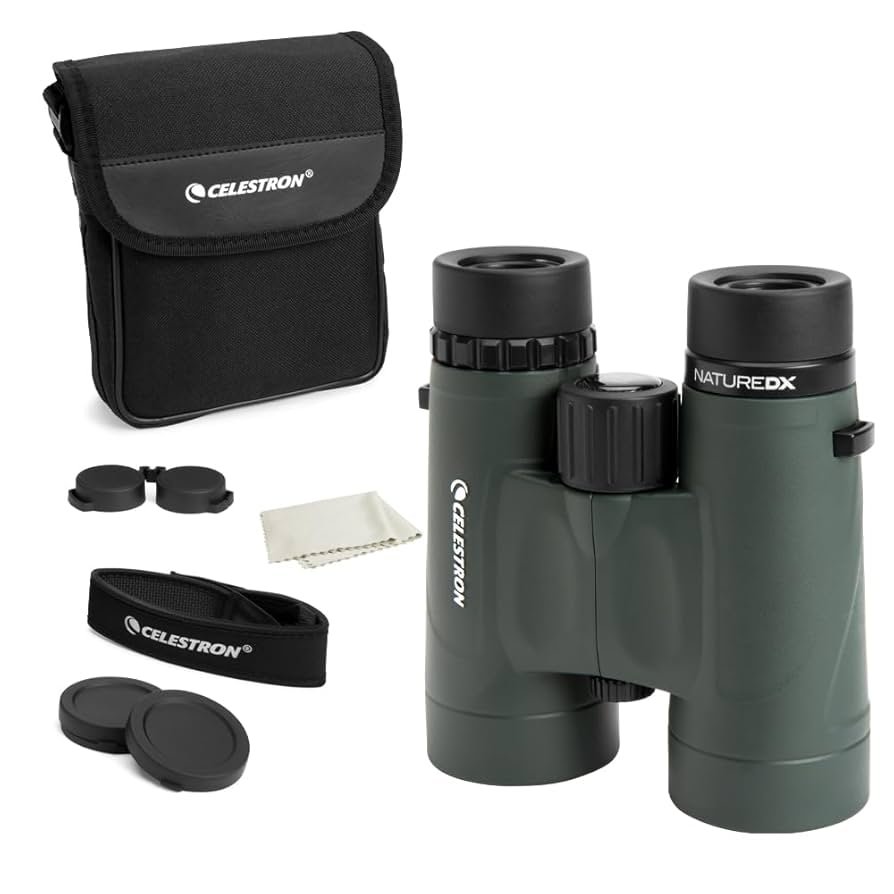
Credit: www.amazon.com
Protecting The Waterproof Seals
Waterproof seals keep your surveillance binoculars safe from water damage. Protecting these seals helps maintain clear vision and device longevity. Small care habits make a big difference in seal life.
Check and care for the seals often to avoid leaks. This guide covers how to inspect, prevent damage, and know when to replace the seals.
Inspecting Seals Regularly
Look at the seals every time you use the binoculars. Dirt, cracks, or stiffness can signal seal trouble. Clean seals gently with a soft cloth and fresh water if needed. Avoid harsh chemicals or tools that can scratch or break the seals.
- Check seals for cracks or tears
- Remove dirt with soft, damp cloth
- Test seal flexibility by gently pressing
- Look for hard or brittle spots
Preventing Seal Deterioration
Seal damage happens from sun, heat, and chemicals. Store binoculars in a cool, dry place away from direct sunlight. Avoid exposing seals to oils, lotions, or cleaning solvents. Use a protective case when not in use to block dust and moisture.
| Cause | Prevention |
| Sunlight | Keep binoculars in shade or case |
| Heat | Store at room temperature |
| Oils or lotions | Handle binoculars with clean hands |
| Chemicals | Use only mild water for cleaning |
When To Replace Seals
Replace seals if water gets inside or if you see visible damage. Old seals lose flexibility and no longer fit tight. Signs to replace include fogging inside lenses or sticky, cracked seals. Contact a professional for seal replacement to keep waterproofing effective.
- Seal cracked or torn
- Water leaks inside binoculars
- Seal feels hard or sticky
- Fog appears inside lenses
- Professional inspection suggests replacement
Proper Storage Techniques
Waterproof surveillance binoculars need good care to last longer. Proper storage helps keep them safe and working well.
Storing your binoculars correctly prevents damage from dust, moisture, and impacts.
Ideal Storage Conditions
Store your binoculars in a dry, cool place away from direct sunlight. Avoid places with high humidity to stop mold growth.
Keep them on a stable surface to avoid falls or bumps.
- Dry area with low humidity
- Cool temperature, not too hot or cold
- Avoid direct sunlight exposure
- Stable and secure surface
Using Protective Cases
Always store your binoculars in a protective case when not in use. This case shields them from dust and scratches.
Choose a case that fits well and has soft padding inside. This prevents damage from drops or bumps.
- Use a hard or soft padded case
- Ensure the case fits the binoculars snugly
- Keep the case clean and dry
- Close the case properly after use
Avoiding Extreme Temperatures
Do not store your binoculars in places with very high or low temperatures. Extreme heat or cold can damage lenses and seals.
Keep them away from heaters, ovens, or freezing areas like garages in winter.
- Keep binoculars away from direct heat sources
- Avoid freezing storage areas
- Maintain room temperature storage
- Protect from sudden temperature changes
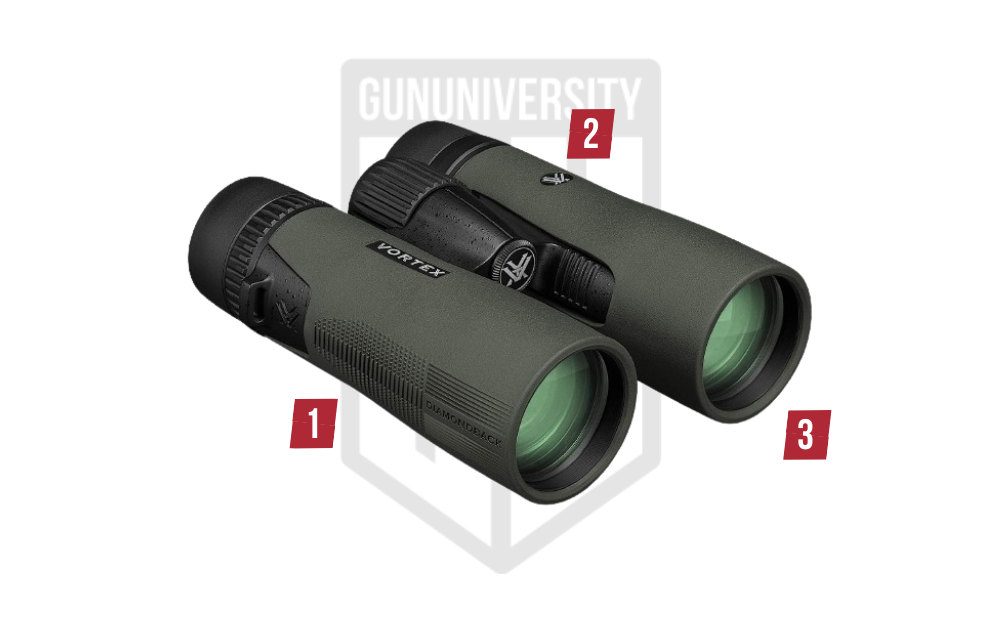
Credit: gununiversity.com
Handling And Usage Tips
Waterproof surveillance binoculars are useful tools for outdoor observation. Proper handling helps keep them working well for a long time.
Following simple care tips can protect your binoculars from damage and make sure they stay waterproof.
Safe Handling Practices
Always hold your binoculars with both hands to keep them steady. Avoid touching the lenses to prevent smudges and scratches.
Keep the lens caps on when you are not using the binoculars. Store them in a dry, cool place away from direct sunlight.
Avoiding Impact And Drops
Handle binoculars gently to avoid drops or strong impacts. Even waterproof models can be damaged by hard hits.
Do not place binoculars on unstable surfaces where they can fall easily. Use padded cases during transport to protect them.
- Hold binoculars firmly with both hands
- Place on stable surfaces only
- Use padded cases when carrying
- Avoid sudden shocks or drops
Using Straps And Mounts
Use neck straps or wrist straps to keep binoculars secure while in use. This lowers the chance of accidental drops.
For long viewing sessions, use a tripod mount if your binoculars support it. This helps reduce hand fatigue and keeps images steady.
- Attach neck or wrist straps firmly
- Check straps regularly for wear
- Use tripod mounts for steady viewing
- Secure mounts tightly before use
Routine Maintenance Checks
Waterproof surveillance binoculars need regular care. Routine checks keep them working well and protect your investment.
Simple maintenance helps spot problems early. It also extends the life of your binoculars.
Frequency Of Maintenance
Check your binoculars after every use, especially in wet or dusty areas. Regular cleaning prevents dirt buildup.
Deep maintenance should happen every six months. This includes thorough inspection and cleaning.
- Wipe lenses after each use
- Dry binoculars completely before storage
- Inspect seals and joints every few months
- Schedule professional check-ups twice a year
Identifying Early Issues
Watch for fogging inside lenses. This may mean a seal is broken or moisture got inside.
Check for scratches or dirt on the lens surface. Clean lenses carefully to avoid damage.
- Look for cracks in the casing
- Test zoom and focus for smooth movement
- Listen for unusual sounds when adjusting
- Check rubber grips for wear or looseness
Professional Servicing Options
Professional servicing can fix deep problems. Experts clean internal parts and replace worn seals.
Choose a service center with experience in waterproof binoculars. They ensure your device stays reliable.
- Internal lens cleaning
- Seal replacement to keep waterproofing
- Mechanical repairs for zoom and focus
- Calibration for clear image quality

Credit: www.blackwoodoutdoors.co.uk
Frequently Asked Questions
How Do I Clean Waterproof Binoculars?
To clean waterproof binoculars, gently wipe the lenses with a microfiber cloth. Use a lens cleaning solution for stubborn dirt. Avoid using abrasive materials. Clean the exterior with a soft, damp cloth. Ensure all seals are intact to maintain waterproofing.
Store them in a dry place after cleaning.
Can I Use Soap To Clean Binoculars?
It’s not recommended to use soap for cleaning binoculars. Soap can leave residue on lenses and affect clarity. Instead, use a lens cleaning solution. This ensures safe and effective cleaning. Always use a microfiber cloth to avoid scratches. Keep the binoculars dry to maintain their waterproof capability.
How Often Should I Maintain Binoculars?
Regular maintenance is crucial for optimal performance. Clean your binoculars after each use, especially in harsh conditions. Check for any signs of wear or damage monthly. Ensure all seals are intact to retain waterproof features. Regular maintenance extends the life of your binoculars.
How Do I Store Binoculars Properly?
Store binoculars in a cool, dry place. Use a protective case to prevent dust and damage. Avoid direct sunlight to protect the lenses. Ensure they’re completely dry before storing to prevent mold. Regularly check the storage area for humidity. Proper storage extends the lifespan of your binoculars.
Conclusion
Taking care of waterproof surveillance binoculars is simple and important. Clean them gently with a soft cloth after use. Always store them in a dry, safe place. Check seals regularly to keep water out. Avoid dropping or hitting the binoculars hard.
Small efforts keep them working well for a long time. Enjoy clear views without worry. Maintenance protects your investment and helps your binoculars last. Follow these easy steps to keep your gear ready for action.