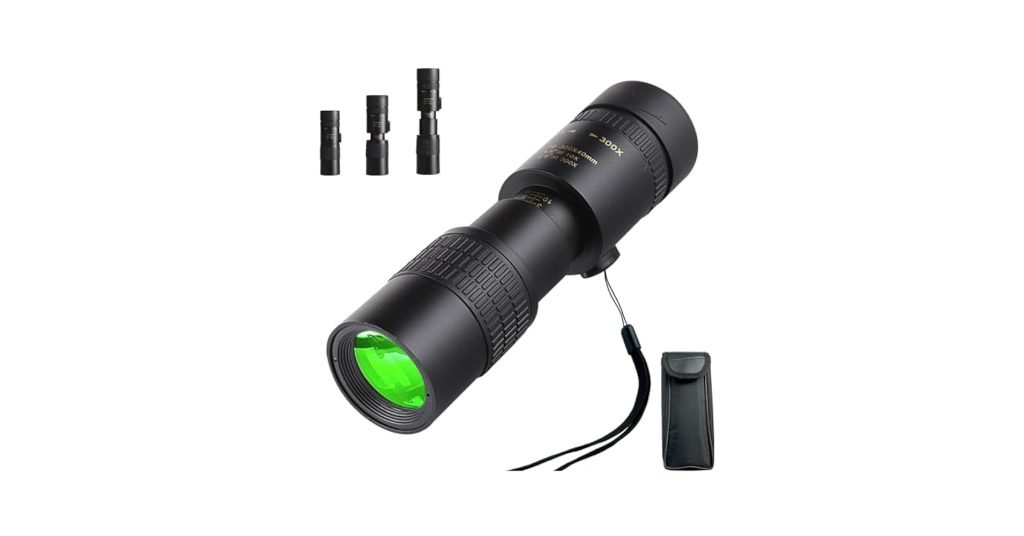
Are you struggling to get a clear view through your zoom monocular? If your images appear blurry or out of focus, it can be frustrating—especially when you want to enjoy nature, spot distant objects, or capture those perfect moments.
But don’t worry, focusing your zoom monocular is easier than you think. You’ll discover simple, step-by-step tips to sharpen your vision quickly and effortlessly. Keep reading, and you’ll learn how to make every detail crystal clear with your monocular.
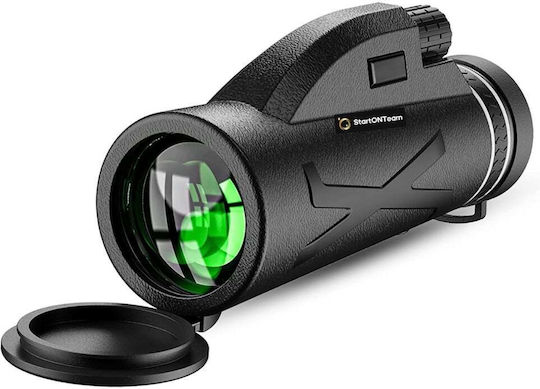
Credit: www.skroutz.mt
Choosing The Right Zoom Monocular
The zoom featurelets you see objects closer. It changes the view from wide to narrow.
Choose a zoom monocular with clear and smooth zoom control. This helps you adjust focus easily.
Good lens qualityis key. Lenses with multiple coatings give brighter, sharper images.
Low-quality lenses can cause blurry or dark images. This makes it hard to see details.
Look for lenses made from glass, not plastic. Glass lenses usually offer better clarity.
| Feature | Benefit |
|---|---|
| Zoom Range | Allows closer or wider views |
| Lens Coating | Improves brightness and reduces glare |
| Lens Material | Glass lenses give clearer images |
Preparing Your Monocular For Use
Keep the lenses cleanfor a clear view. Use a soft cloth or lens brush to remove dust. Avoid using rough materials that can scratch lenses. Check the body for dirt and wipe with a damp cloth if needed.
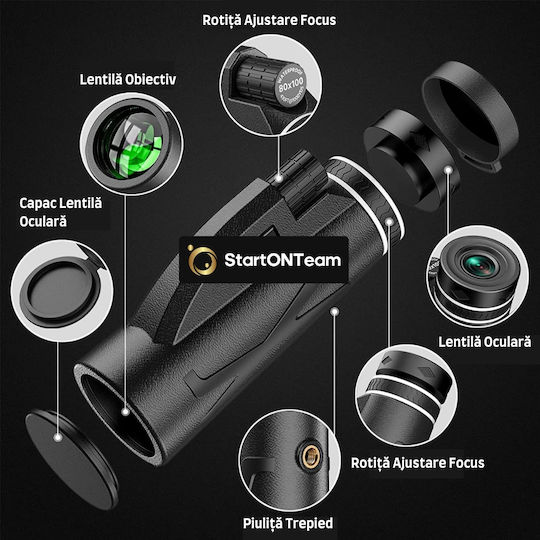
Adjust the focus ringby turning it slowly until the image is sharp. Use the diopter adjustmentto match your eyesight. This makes the view clearer and easier on your eyes.
- Store monocular in a dry place to avoid moisture damage.
- Do not expose to extreme heat or cold.
- Keep the lens cap on when not in use.
- Check for loose screws and tighten gently if necessary.
Finding The Perfect Focus
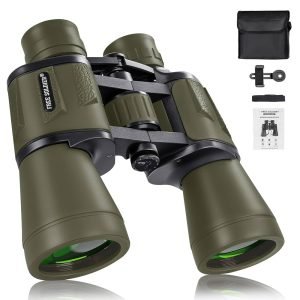
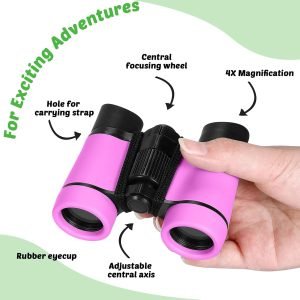
The focus wheelhelps adjust the zoom monocular’s clarity. Turn the wheel slowly while looking through the lens. Stop turning when the image becomes sharp and clear.
The diopter settingfine-tunes the focus for your eyes. Look through the eyepiece and adjust the diopter ring until objects appear clear. This helps if your eyes see differently.
- Hold the monocular steady.
- Turn the focus wheel gently.
- Adjust the diopter for sharpness.
- Look at objects at different distances.
- Make small changes for the best view.

Credit: www.amazon.ca
Enhancing Image Stability
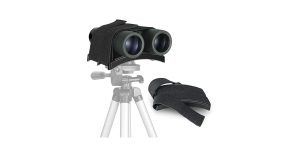
Using a tripod or other supports helps keep the monocular steady. This reduces shakiness and gives a clearer view. A stable base is key for sharp images, especially at high zoom levels.
Choose a tripod that fits your monocular’s size and weight. Make sure it is easy to adjust and sturdy enough to hold the device still. A quick-release mount can make setup faster.
- Use a flat surface for the tripod to avoid wobbling.
- Adjust the tripod height to a comfortable eye level.
- Hold the monocular firmly when using handheld techniques.
- Support your arms by resting them on a solid surface.
- Breathe out slowly before focusing to reduce hand movement.
Troubleshooting Common Issues
Blurry imagesoften happen due to dirt or smudges on the lens. Clean the lens gently with a soft cloth. Check if the lens cover is fully removed. Sometimes, the zoom setting causes blur. Adjust the zoom slowly to find a clear view.
Difficulty in focusing can be caused by wrong eye relief or distance from the object. Move the monocular closer or farther from your eye. Turn the focus ring slowly until the image becomes sharp. Make sure the object is not too close; most monoculars have a minimum focus distance.
- Clean lens carefully.
- Remove lens cover fully.
- Adjust zoom slowly.
- Change eye distance.
- Turn focus ring gently.
- Keep object beyond minimum focus distance.
Expert Tips For Optimal Viewing
Adjust the focus ring slowly to get a clear image. Hold the monocular steady with both hands. Use a tripod for very steady views. Keep the lens clean for the best clarity. Avoid shaking by resting your elbows on a solid surface.
In low light, increase the eye relief distance slightly. Use the largest exit pupil size to gather more light. Look for monoculars with coatings that improve light transmission. Find a stable place to rest the monocular and stay still.
- Use a flashlight or nearby light to help focus first.
- Turn the focus ring gently until the image sharpens.
- Keep your eye close to the eyepiece to avoid dark edges.
- Close one eye to reduce distractions while focusing.
Credit: www.skroutz.mt
Frequently Asked Questions
How Do I Adjust Zoom On Monoculars For Clear Focus?
Turn the zoom ring slowly while looking through the lens. Stop when the image appears sharp and clear. Avoid sudden movements to maintain focus.
What Is The Best Way To Focus A Zoom Monocular?
Start by focusing on a distant object using the focus wheel. Then, adjust the zoom ring to get a closer view. This two-step method ensures sharp images.
Why Is My Zoom Monocular Image Blurry After Zooming?
Blurriness occurs if the focus isn’t adjusted after zooming. Always refocus by turning the focus knob gently. This keeps the image crisp at different zoom levels.
Can I Use A Zoom Monocular Without Adjusting Focus?
No, adjusting focus is essential for clear images. Zoom changes the view size, so refocusing is necessary each time you zoom in or out.
Conclusion
Focusing Zoom Monoculars is simple with the right steps. Start by adjusting the eyepiece and then fine-tune the focus ring. Take your time to get a clear, sharp image. Practice helps you focus faster and better. Keep your hands steady while adjusting for best results.
Clear vision makes outdoor viewing more enjoyable. Remember, patience improves your focusing skills. Try these tips during your next adventure. You will see the difference in your viewing experience.