Are you struggling to get a clear view through your close-focus binoculars? If your images look blurry or out of reach, you’re not alone.
Learning how to focus close-focus binoculars correctly can transform your experience, making every detail sharp and vivid. In this guide, you’ll discover simple, step-by-step tips to help you adjust your binoculars quickly and easily. Keep reading, and you’ll unlock the secret to crystal-clear views that bring your world closer than ever before.

Credit: www.amazon.com
Choosing The Right Binoculars
Lens qualityaffects how clear and bright images appear. Larger lenses let in more light, which helps in low light conditions. But bigger lenses make binoculars heavier.
Magnification powershows how much closer objects look. Higher magnification means you see more detail but the image may shake more. Lower magnification gives a wider view and steadier image.
| Magnification | Use | Field of View |
|---|---|---|
| 8x | General use, steady image | Wide |
| 10x | Closer view, less steady | Narrower |
Field of viewis how wide an area you can see. A wide field helps to track moving objects easily. Narrow fields show more detail but less area at once.
Understanding Close-focus Binoculars
Close-focus binocularsallow you to see objects very near clearly. They have a special design that lets you focus on things just a few feet away. This feature is useful for viewing small details or observing wildlife up close.
They often have a short minimum focusing distanceand good lens quality. This makes nearby objects sharp while keeping distant views clear.
- Perfect for bird watching in bushes or trees.
- Useful for viewing insects or flowers closely.
- Great for sports events to see details on players.
- Handy for nature walks and exploring small animals.
Preparing Your Binoculars
Clean lenses help you see clearly. Use a soft cloth or lens brush to remove dust and dirt. Avoid using rough materials that can scratch the lenses. A small amount of lens cleaner can be used for stubborn spots. Always wipe gently in a circular motion to protect the lens surface.
Eye cups adjust for comfort and clear vision. Twist or fold them to fit your eyes. If you wear glasses, keep the eye cups folded down. For no glasses, extend the eye cups fully. This helps block side light and improves focus.
Setting The Focus
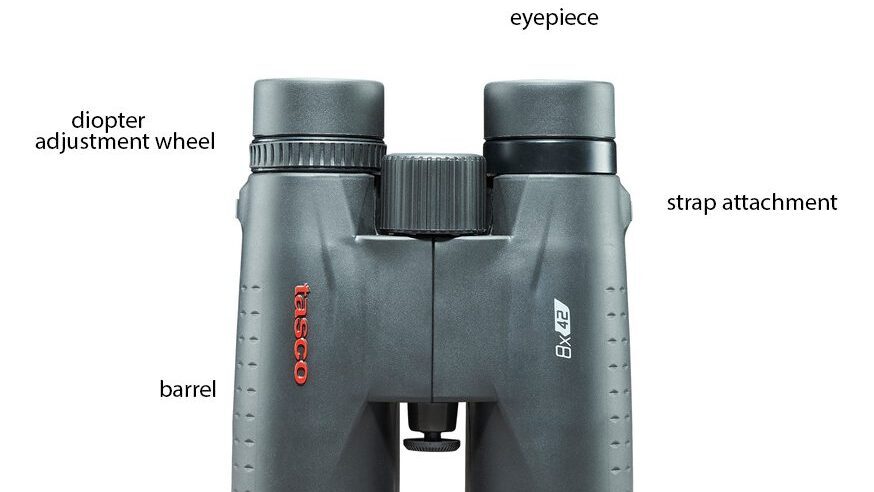
To get a clear view, start with the diopter adjustment. This small ring near one eyepiece helps match focus between your eyes. Close your right eye and turn the diopter until the image looks sharp through the left eye.
Next, open both eyes and use the central focus wheel. Turn it slowly to sharpen the image for both eyes at once. Stop when the picture looks clear and crisp.
- Close right eye, adjust diopter with left eye open
- Open both eyes, turn central focus wheel
- Fine-tune until image is sharp and clear
Techniques For Optimal Clarity
Hold binoculars steadyto avoid blurry images. Use both hands for balance. Rest elbows on a solid surface if possible. A tripod can help keep the view stable for longer periods.
Focus each eyepiece separately. Close your right eye and adjust the left eyepiece until the image is clear. Then close your left eye and adjust the right eyepiece. Finally, open both eyes and make small adjustments if needed.
Low light can make focusing harder. Use binoculars with larger lenses to capture more light. Brighten the area if possible, or wait for better light conditions. Avoid shaky hands by resting on stable objects.
Binoculars with a wider field of view help in dim light. Adjust the focus slowly and carefully. Patience is key for sharp images in dark settings.

Credit: www.facebook.com
Common Mistakes To Avoid
Over-tightening adjustmentscan damage the focus wheel or lenses. Turn the knobs gently until the view is clear. Forcing the mechanism may cause it to break or wear out quickly.
Ignoring environmental factorscan blur your view. Dust, fog, or rain on lenses can affect clarity. Clean lenses carefully with a soft cloth before use. Bright sunlight may cause glare, so try to shade your eyes or binoculars.
Maintenance And Care
Focus close-focus binoculars by gently turning the central wheel until the image is clear. Clean lenses with a soft cloth to avoid scratches and store them in a dry place to keep them in good condition. Regular care ensures sharp and clear viewing every time.
Regular Cleaning
Cleaning the lenses often keeps your binoculars clear. Use a soft cloth or lens brush to remove dust gently. Avoid using rough materials that can scratch the glass. For smudges, a lens cleaning solution works best. Never spray the solution directly on the lenses. Apply it to the cloth first. Clean both lenses and body carefully. Dirt and oils can damage the optics over time.
Proper Storage
Store binoculars in a dry and cool place. Keep them in a protective case to avoid dust and bumps. Avoid leaving them in direct sunlight or damp areas. Remove the lens caps when storing to prevent moisture buildup. Always check the binoculars before and after use. Proper storage helps keep them working well for years.
Credit: bringbinoculars.com
Frequently Asked Questions
How Do I Focus Close-focus Binoculars Correctly?
To focus close-focus binoculars, first adjust the central focus wheel. Then, use the diopter ring on one eyepiece for clarity. Finally, slowly move the binoculars closer to the object until the image is sharp and clear.
What Is The Minimum Focusing Distance On Close-focus Binoculars?
The minimum focusing distance on close-focus binoculars typically ranges between 6 to 10 feet. This allows you to see nearby objects clearly, which standard binoculars often cannot. Check your model’s specifications for exact close-focus range details.
Can I Use Close-focus Binoculars For Bird Watching?
Yes, close-focus binoculars are excellent for bird watching. They allow you to see small birds and details up close without disturbing them. Their sharp close-range focus enhances your viewing experience in nature.
Why Is The Diopter Adjustment Important In Focusing?
The diopter adjustment compensates for differences between your eyes. It ensures both lenses focus accurately for clear and sharp images. Proper diopter setting improves visual comfort and image quality while using binoculars.
Conclusion
Focusing close-focus binoculars is easier than it seems. Start by adjusting the central wheel slowly. Keep your eyes on the object until it looks clear. Don’t rush; small changes work best. With practice, your eyes will adjust quickly. These simple steps help you enjoy sharp, clear views nearby.
Try them often to improve your skill. Clear vision makes every detail stand out. Enjoy your binoculars fully by focusing right every time.