Have you ever struggled to get a clear, sharp view through your binoculars while they’re mounted on a tripod? It can be frustrating when your image stays blurry or keeps shifting.
But don’t worry—focusing binoculars on a tripod doesn’t have to be complicated. With a few simple steps, you can enjoy steady, crystal-clear sights every time you look through your binoculars. Keep reading, and you’ll learn exactly how to adjust your binoculars for the perfect focus, making your outdoor adventures more enjoyable and stress-free.

Credit: www.instagram.com
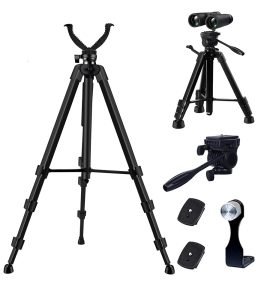
Choosing The Right Tripod
Choosing a tripod with a sturdy head ensures steady support for your binoculars. Adjust the focus by locking the tripod and slowly turning the binocular’s focus wheel for a clear image. Stability helps reduce shaking and makes viewing easier.
Tripod Types For Binoculars
There are many tripod types available. Some are lightweight and easy to carry. Others are sturdy and provide better support. Aluminum tripods are strong and durable. Carbon fiber tripods are lighter but cost more. Each type has its own benefits.
Stability And Height Considerations
Stability is very important. A stable tripod keeps your binoculars steady. Height matters too. The tripod should be tall enough for comfortable use. Taller tripods help avoid bending over. Choose a tripod with adjustable legs for uneven ground.
Mount Compatibility
Not all mounts fit every binocular. Check the mount compatibility before buying. Universal mounts work with most binoculars. Some mounts are specific to certain brands. Ensure your binocular fits the mount securely. This prevents shaking and improves viewing.

Credit: www.rockymountainoptics.com
Attaching Binoculars Securely
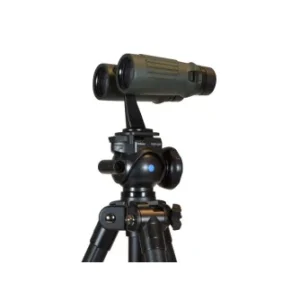
Using a tripod adapter is key to attach binoculars securely. The adapter fits between the binoculars and tripod. It holds the binoculars steady and prevents shaking. Most adapters screw into the tripod mount on the binoculars.
Balancing the binoculars on the tripod is important for clear viewing. Adjust the binoculars so they sit evenly. Uneven balance can cause wobbling and blurred images. Try moving the binoculars slightly forward or backward until they feel stable.
- Check the tripod head for tightening knobs.
- Secure the binoculars by tightening the knobs.
- Ensure all screws and locks are firm but not over-tightened.
- Test for movement after tightening to avoid slips.
Adjusting Focus Settings
Use the center focus wheelto adjust the binoculars’ sharpness. Turn it slowly until the image looks clear and crisp. This wheel controls both barrels at the same time.
Diopter adjustmenthelps to fine-tune focus for differences between your eyes. Close the eye on the side with the diopter ring. Look through the other eye and focus using the center wheel. Then open the closed eye and adjust the diopter ring until the image is sharp.
Test sharpness by looking at objects at different distances. Adjust the focus wheel and diopter until images stay clear. Try focusing on both near and far objects to check clarity. This ensures the binoculars work well on your tripod.
Positioning For Optimal Viewing
Place binoculars securely on the tripod for steady viewing. Adjust the tripod height and angle to suit your eye level. Slowly turn the focus wheel until the image is clear and sharp.
Aligning Eye Level
Set the binoculars so your eyes are level with the eyepieces. This helps avoid neck strain and keeps the view clear. Adjust the tripod height to match your standing or sitting position. Keep your head straight to see the full image without distortion.
Minimizing Vibrations
Use a sturdy tripod to reduce shaking. Tighten all screws and locks firmly. Avoid touching the binoculars while viewing. Place the tripod on a flat surface to keep it steady. Wind or movement can blur the image, so protect your setup from strong wind.
Choosing The Best Viewing Angle
- Face the binoculars toward the target directly.
- Adjust the tilt of the tripod head for a clear view.
- Change the angle slightly to avoid glare from the sun.
- Find a position that feels comfortable for long viewing.
Maintaining Stability During Use
Locking tripod jointshelps keep the binoculars steady. Tighten all knobs and screws before use. Loose joints cause shaking and blur the view.
Using additional supportslike sandbags or weights on tripod legs adds stability. Extra weight stops the tripod from moving on rough ground.
Handling wind and movementis key outside. Place the tripod behind natural windbreaks such as trees or rocks. Avoid setting it on soft or uneven surfaces to reduce sway.
Troubleshooting Common Issues
Blurry imagesoften happen due to incorrect focus settings. Adjust the central focus wheel slowly until the image sharpens. Sometimes, the individual eyepiece focus needs tweaking. Ensure both eyepieces are focused to match your eyesight.
Shaky views can make it hard to see details. Make sure the tripod is stable and on a flat surface. Tighten all knobs on the tripod head to stop movement. Using a tripod with a heavier base helps reduce shaking.
- Difficulty focusingmay result from dirt on lenses. Clean lenses gently with a soft cloth.
- Check if the binoculars are properly mounted on the tripod.
- Try turning the focus wheel slowly in both directions.
- Adjust the tripod height for a comfortable viewing angle.

Credit: www.celestron.com
Frequently Asked Questions
How Do I Adjust Focus On Binoculars With A Tripod?
To focus binoculars on a tripod, first secure them firmly. Use the central focus wheel for clarity. Adjust the diopter ring for individual eye focus. Make small, slow turns to avoid overshooting the sharpness.
Can I Use Any Tripod For Binocular Focusing?
Most standard tripods work well for binoculars. Ensure the tripod head is stable and can hold the binoculars’ weight. A tripod with a smooth pan and tilt head offers better control for precise focusing.
Why Is Tripod Use Recommended For Binocular Focusing?
Tripods stabilize binoculars, reducing hand shake and fatigue. This stability enhances image clarity and comfort during long viewing sessions. It allows precise focus adjustments without movement, improving overall viewing experience.
How Do I Set Up Binoculars Correctly On A Tripod?
Attach a compatible tripod adapter to your binoculars. Mount the adapter securely on the tripod head. Make sure the binoculars are balanced to prevent tipping. Adjust the tripod height to a comfortable viewing position.
Conclusion
Focusing binoculars on a tripod makes viewing easier and steady. Adjust the eyepieces slowly until the image is clear. Use the focus knob to sharpen details. Keep the binoculars still to avoid blurry images. Practice a few times to get comfortable with the steps.
Clear and steady views help you enjoy your trip more. This simple process improves your outdoor experience greatly. Try it on your next adventure for better sight.