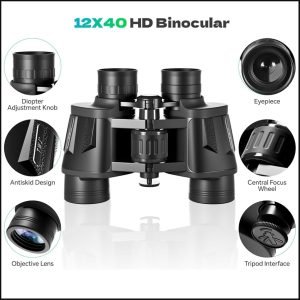
Are you tired of your surveillance binoculars losing their sharpness or breaking down just when you need them most? Your investment deserves to last longer and perform better every time you use it.
Knowing how to properly care for and maintain your binoculars can save you money and frustration. You’ll discover simple and effective tips that will help you extend the lifespan of your surveillance binoculars, keeping your vision clear and reliable for years to come.
Keep reading to unlock these easy yet powerful secrets!

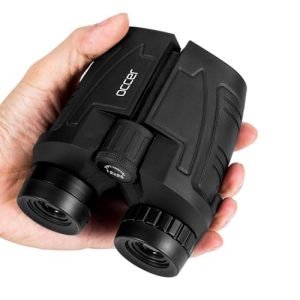
Credit: www.amazon.com
Daily Care Tips
Surveillance binoculars are useful tools that need proper care. Taking care of them daily helps them last longer.
Simple habits can keep your binoculars working well for years. Clean, store, and handle them carefully.
Cleaning The Lenses
Keep the lenses clean to get clear views. Use a soft brush or air blower to remove dust first.
Use a microfiber cloth and lens cleaner to gently wipe the glass. Avoid harsh chemicals or rough materials.
- Remove dust with a soft brush or air blower
- Use lens cleaner and a microfiber cloth for wiping
- Never use paper towels or tissues on lenses
- Clean lenses only when needed to avoid scratches
Storing Properly
Store your binoculars in a dry, cool place. Avoid places with high heat or humidity.
Use a protective case to keep dust and dirt away. Keep the binoculars covered when not in use.
- Keep binoculars in a protective case
- Store in a cool, dry place
- Avoid direct sunlight and moisture
- Remove batteries if storing for a long time
Handling With Care
Always hold binoculars with both hands. This prevents drops and damage.
Do not touch the lenses with your fingers. Carry binoculars with a neck strap for safety.
- Hold binoculars firmly with both hands
- Avoid touching lenses with fingers
- Use a neck strap to prevent drops
- Do not force focus or zoom knobs
Maintenance Practices
Surveillance binoculars need regular care to work well for a long time.
Proper maintenance prevents damage and keeps the view clear.
Regular Inspection
Check your binoculars often for dirt, scratches, and loose parts.
- Look for cracks or chips on the lenses.
- Ensure all screws and fasteners are tight.
- Test the focus and zoom functions for smooth operation.
- Check for any signs of moisture inside the lenses.
Lubricating Moving Parts
Apply the right lubricant to keep moving parts working smoothly.
| Part | Lubricant Type | Frequency |
| Focus Wheel | Light Silicone Grease | Every 6 months |
| Hinge | Light Oil | Every 6 months |
| Eyecups | None (Clean only) | As needed |
Replacing Worn Components
Replace parts that show wear to avoid damage to the binoculars.
- Change worn-out rubber eyecups for comfort and protection.
- Replace scratched or damaged lenses to keep clear vision.
- Swap broken focus wheels or hinges to maintain function.
- Use parts from the manufacturer or trusted suppliers.
Environmental Protection
Protecting your surveillance binoculars from harsh environmental conditions helps them last longer. Careful handling keeps the lenses clear and the mechanics working smoothly.
Learn simple ways to shield your binoculars from damage caused by weather and dirt. Small actions make a big difference in performance and durability.
Avoiding Extreme Temperatures
Extreme heat or cold can harm the internal parts of binoculars. Avoid leaving them in direct sunlight or freezing places for long periods.
- Store binoculars in a padded case at room temperature.
- Do not leave them inside a hot car or outside in winter.
- Let binoculars adjust slowly if moving between hot and cold places.
Shielding From Moisture
Water and humidity can cause mold and rust inside your binoculars. Use waterproof covers and dry them properly after use.
| Method | Purpose |
| Use waterproof case | Keep moisture out during rain or fog |
| Dry with soft cloth | Remove water after exposure |
| Store with silica gel | Absorb humidity inside storage case |
Protecting Against Dust And Debris
Dust can scratch lenses and block moving parts. Always cover your binoculars and clean them gently.
- Use lens caps when not in use.
- Clean lenses with a soft brush or microfiber cloth.
- Avoid wiping lenses with rough materials.
- Keep binoculars in a closed case during transport.

Credit: winchesteroptics.com
Usage Recommendations
Surveillance binoculars need careful use to last longer. Proper handling protects their parts and keeps images clear.
Follow simple tips to avoid damage and keep your binoculars working well for many years.
Adjusting Focus Gently
Turn the focus knob slowly and softly. Avoid forcing it if it feels stuck. Rough handling can break internal gears.
- Use smooth, steady movements when focusing.
- Stop if you feel resistance and check for issues.
- Keep the knob clean to prevent dirt buildup.
Using Lens Caps
Always cover your binoculars with lens caps when not in use. Caps protect the lenses from dust and scratches.
| Type of Lens Cap | Purpose |
|---|---|
| Front Lens Caps | Protects the main lenses from dirt and damage |
| Rear Lens Caps | Shields the eyepieces from scratches and dust |
| Neck Strap Caps | Keeps caps attached and easy to find |
Avoiding Direct Sunlight
Do not leave your binoculars in direct sunlight. Heat can warp parts and damage coatings on lenses.
Tips to protect binoculars from sunlight:
- Store binoculars in a shaded place after use.
- Use a protective case to block sunlight and dust.
- Never point binoculars directly at the sun.
Storage Solutions
Proper storage helps keep surveillance binoculars in good shape. It prevents damage from dust, moisture, and impacts. Careful storage extends their lifespan and maintains clear vision.
Choosing the right case and storage place protects binoculars from wear. This guide covers key tips to store your binoculars safely.
Using Protective Cases
Protective cases shield binoculars from scratches and shocks. Use a case made from soft or hard materials that fit your binocular model well.
- Choose padded cases to absorb impact.
- Look for waterproof or water-resistant covers.
- Use cases with secure zippers or clasps.
- Keep silica gel packets inside to reduce moisture.
- Store binoculars in their case when not in use.
Choosing Optimal Storage Locations
Storage location affects binocular condition. Avoid places with heat, humidity, or direct sunlight to prevent damage.
| Storage Location | Benefit | Note |
| Cool, dry shelf | Keeps binoculars dry and safe | Avoid basements or attics |
| Closed cabinet | Protects from dust and sunlight | Use cabinets with good ventilation |
| Camera or gear bag | Easy to carry and protects from shocks | Ensure bag is clean and dry |

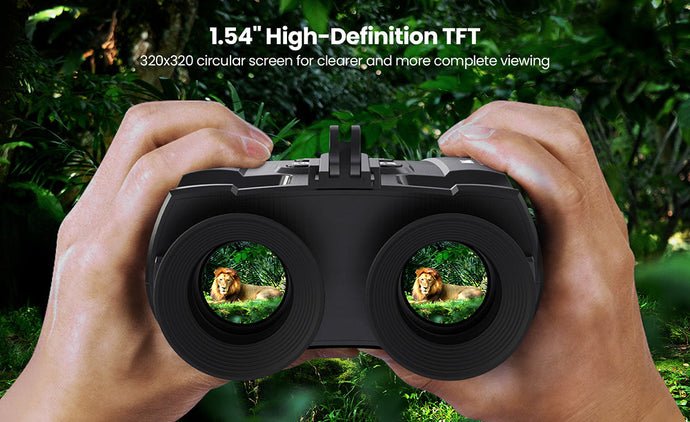
Credit: www.amazon.com
Professional Servicing
Surveillance binoculars need care to last long. Professional servicing helps keep them in top shape. Experts fix problems and clean parts you cannot reach.
Regular check-ups by professionals prevent damage. This saves money and avoids poor image quality during use.
When To Seek Expert Help
Look for a professional if your binoculars show these signs:
- Blurry or unclear images
- Loose or stiff focus rings
- Water or dust inside the lenses
- Broken or cracked parts
- Unusual sounds when adjusting
Getting help early stops small issues from becoming bigger. Experts have the right tools and skills to fix delicate parts safely.
Benefits Of Professional Cleaning
| Benefit | Description |
| Improved Visibility | Removes dirt and smudges for clearer views |
| Longer Device Life | Prevents corrosion and wear on internal parts |
| Maintains Warranty | Authorized cleaning keeps warranty valid |
| Expert Inspection | Detects problems before they get worse |
| Safe Handling | Prevents damage during cleaning |
Frequently Asked Questions
How Often Should I Clean Surveillance Binoculars?
Regular cleaning, ideally after every use, prevents dirt buildup. Use a soft brush or microfiber cloth for lenses. Avoid harsh chemicals to protect coatings. Proper cleaning maintains clear vision and extends binocular lifespan effectively.
What Is The Best Storage Method For Binoculars?
Store binoculars in a cool, dry place away from direct sunlight. Use a protective case to prevent dust and moisture. Avoid extreme temperatures to protect internal components and coatings, ensuring longer device durability.
How Can I Protect Binocular Lenses From Damage?
Always use lens caps when not in use. Handle binoculars with clean, dry hands to avoid smudges. Use a lens cleaning solution and microfiber cloth for cleaning to prevent scratches and maintain clarity.
Should I Avoid Using Binoculars In Extreme Weather?
Yes, extreme heat, cold, or humidity can damage binoculars. Avoid exposure to rain or snow unless binoculars are waterproof. Use protective covers and dry binoculars thoroughly if exposed to moisture.
Conclusion
Taking care of surveillance binoculars ensures they last longer. Simple steps make a big difference. Keep them clean. Store them properly. Protect them from harsh conditions. Regular maintenance prevents damage. Quality matters too. Invest in sturdy cases and straps. Check for any issues regularly.
Address problems immediately. These efforts save money and time. Your binoculars will serve you well. Enjoy clear and reliable views. Happy observing!