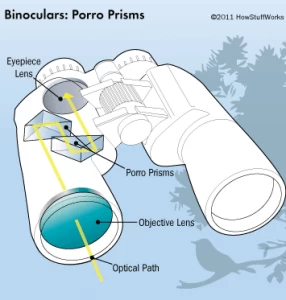
Your Porro prism binoculars are your window to the world, giving you clear views of distant landscapes and wildlife. But what happens when rain hits your lenses?
Water droplets can blur your vision and even damage the delicate coatings on your binoculars if not cleaned properly. You want to protect your investment and enjoy sharp, clear views every time you use them. You’ll discover simple, effective steps to safely clean your Porro prism binocular lenses after rain.
Keep reading to learn how to restore your binoculars’ clarity quickly and prevent long-term damage.
Effects Of Rain On Porro Prism Binoculars
Rain can leave water spotsand smudgeson Porro prism binocular lenses. These marks reduce clarityand make viewing difficult. Water spots happen when rain droplets dry on the lens surface, leaving behind mineral deposits.
Potential damage risks include:
- Corrosionof metal parts due to moisture
- Fungal growthinside the lenses if moisture stays
- Scratchescaused by wiping dirt or grit
- Reduced lens coating effectivenessfrom repeated exposure
Cleaning lenses quickly and carefully is important to avoid long-term damage.
Essential Cleaning Tools
Soft microfiber clothsare gentle on lenses and prevent scratches. Avoid using rough fabrics or paper towels. These cloths absorb moisture and clean dirt effectively. Keep multiple cloths handy for different cleaning stages.
Lens cleaning solutionshelp remove stubborn spots and rain residue. Use solutions made for optics only. Spray the solution on the cloth, not directly on the lens. This prevents damage and ensures even cleaning.
Air blowers and brushesremove dust without touching the lens surface. Use a soft brush or a hand blower to clear loose particles first. This reduces the risk of scratching during wiping. Avoid canned air, as it may spray cold liquid.
Step-by-step Cleaning Process
Begin by gently wiping off water drops with a soft microfiber cloth. Use a lens cleaning solution and small circular motions to remove dirt. Let lenses air dry completely before storing them safely.
Initial Drying Techniques
Pat the lenses gently with a soft cloth. Avoid rubbing to prevent scratches. Let the binoculars air dry naturally if possible. Place them in a warm, dry spot.
Removing Dirt And Debris
Use a blower to remove loose dirt. A soft brush can help with stubborn debris. Ensure the brush is clean to avoid scratching.
Applying Cleaning Solution
Apply a few drops of lens cleaning solution. Use a microfiber cloth for wiping. Move in circular motions gently. Make sure all solution is wiped away.
Final Polishing
Use a clean microfiber cloth for polishing. Buff the lenses until clear and shiny. Inspect for remaining smudges and repeat if needed.

Credit: www.amazon.com
Avoiding Common Cleaning Mistakes
Using harsh materialslike paper towels or rough cloth can scratch the lenses. Always use a soft microfiber cloth designed for lenses. Avoid household cleaners with chemicals; they can damage lens coatings.
Excessive pressure on lensesmay cause permanent damage. Gently wipe in a circular motion to remove dirt and water. Pressing hard can push dirt deeper or break delicate parts.
Ignoring moisture inside binocularsis risky. Water trapped inside can cause fogging or mold. Open the binoculars carefully to dry them in a warm, dry place. Use silica gel packs to absorb moisture if needed.
Maintenance Tips After Rain Exposure
Store binocularsin a dry, cool place after rain. Use a soft cloth or pouch to protect them from dust. Avoid placing them near heat or direct sunlight. Keep them in a sealed bag to stop moisture build-up.
Check lenses and body for any water drops or dirt. Use a lens brush or air blower to remove loose debris. Look for signs of fogging or damage early. Regular checks help keep binoculars in good shape.
- Wipe lenses gently with a microfiber cloth.
- Use lens cleaning solution if needed, not household cleaners.
- Keep binoculars dry to avoid mold growth.
- Apply a protective cover during outdoor use.
- Store with silica gel packs to absorb moisture.

Credit: www.amazon.com

Credit: www.amazon.com
Frequently Asked Questions
How Do I Safely Dry Porro Prism Binocular Lenses?
Gently shake off excess water first. Use a soft microfiber cloth to pat lenses dry. Avoid rubbing to prevent scratches and damage.
What Cleaning Solution Is Best For Rain-soaked Binocular Lenses?
Use a lens cleaner specifically made for optics. Avoid household cleaners or alcohol. These can damage lens coatings and reduce clarity.
Can I Use Tissue Paper On Wet Binocular Lenses?
No, tissue paper can scratch lenses. Always use a clean, soft microfiber cloth for drying and cleaning the lenses.
How Often Should I Clean Binocular Lenses After Rain?
Clean lenses after every exposure to rain or moisture. Regular cleaning maintains clarity and protects lens coatings from damage.
Conclusion
Cleaning Porro prism binocular lenses after rain keeps them clear and sharp. Use a soft cloth and gentle movements to avoid scratches. Avoid harsh chemicals that can damage the lens coating. Dry lenses thoroughly to prevent water spots. Regular care extends your binoculars’ life and improves your viewing experience.
Keep your gear ready for the next outdoor adventure. Clean lenses mean better images and more enjoyment every time. Simple steps make a big difference. Take your time and be gentle. Your binoculars will thank you.