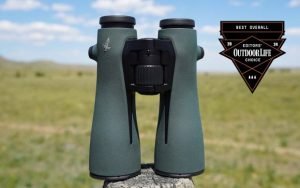
Are your surveillance binoculars not giving you the clear view you need? Dirty or smudged lenses can ruin your experience and make it hard to spot important details.
Cleaning your lenses the right way is crucial to keep your vision sharp and your equipment in top shape. You’ll discover simple, effective steps to clean your binocular lenses safely and quickly. Keep reading to learn how to protect your investment and see the world clearly through your surveillance binoculars every time.

Credit: www.zdnet.com
Choosing The Right Cleaning Tools
Cleaning lenses on surveillance binoculars needs care. Using the correct tools keeps lenses clear and safe.
Wrong tools can scratch or damage lenses. Choose items made for delicate surfaces.
Lens Cleaning Cloths
Lens cleaning cloths are soft and gentle. They remove dust and fingerprints without scratching.
Microfiber cloths work best. Avoid paper towels or rough fabrics.
- Use clean, dry microfiber cloths
- Wipe lenses in a circular motion
- Replace cloths if dirty or rough
Air Blowers And Brushes
Air blowers remove loose dust without touching lenses. They help keep surfaces clean before wiping.
Soft brushes gently sweep away dirt. Use brushes made for camera lenses or electronics.
- Use a bulb air blower to blow dust away
- Choose brushes with soft bristles only
- Do not use canned air as it may damage lenses
Cleaning Solutions
Cleaning solutions help remove smudges and oily marks. Use only ones made for optical lenses.
Avoid household cleaners or solvents. They can damage lens coatings and reduce clarity.
- Use alcohol-free lens cleaning sprays
- Apply solution to cloth, not directly on lenses
- Use small amounts to avoid residue
Preparing The Binoculars For Cleaning
Cleaning the lenses on your surveillance binoculars is important for clear views. Before you start, prepare the binoculars properly. This helps protect the lenses and the device.
Proper preparation makes cleaning safe and effective. Follow these steps to get ready.
Removing Dust And Debris
Before wiping the lenses, remove loose dust and debris. This prevents scratching the glass during cleaning. Use gentle tools made for optics.
- Use a soft brush or a lens blower to remove dust.
- Avoid blowing with your mouth to prevent moisture.
- Do not use rough cloths or paper towels.
- Handle the binoculars carefully to avoid shaking off debris inside.
Setting Up A Clean Workspace
Choose a clean, well-lit area for cleaning your binoculars. A tidy workspace reduces the chance of dirt falling on the lenses.
Prepare soft cloths and cleaning tools nearby. Make sure the surface is stable to avoid dropping the binoculars.
- Work on a clean table or desk.
- Use a soft, lint-free cloth as a base.
- Keep cleaning solutions and tools within reach.
- Wash your hands before starting.
Step-by-step Lens Cleaning Process
Cleaning the lenses on surveillance binoculars keeps your view clear and sharp. Dust, dirt, and smudges can reduce image quality. Follow these easy steps to clean your lenses safely.
Use the right tools and gentle techniques to avoid scratches. Clean lenses improve your binoculars’ performance and longevity.
Using Air Blowers And Brushes
Start by removing loose dust and dirt with an air blower. This prevents scratching during wiping. Use a soft brush to gently clean edges and corners.
- Hold the binoculars steady.
- Use a hand-held air blower to blow away dust.
- Brush gently with a soft lens brush.
- Avoid blowing with your mouth to prevent moisture.
Applying Cleaning Solution
Use a lens cleaning solution made for optics. Apply the solution to a microfiber cloth, not directly on the lens. This prevents liquid from seeping inside.
- Put a few drops of solution on the cloth.
- Do not over-wet the cloth.
- Avoid household cleaners or abrasive liquids.
- Use only products safe for coated lenses.
Wiping With Microfiber Cloth
Use a clean microfiber cloth to wipe the lens gently. Use circular motions from the center outward. This removes smudges without scratching.
- Start wiping from the lens center.
- Move in small, gentle circles.
- Do not press hard on the lens.
- Use a dry part of the cloth for a final polish.

Credit: www.zdnet.com
Avoiding Common Cleaning Mistakes
Cleaning lenses on surveillance binoculars is important for clear vision. Mistakes during cleaning can damage the lenses. This guide helps you avoid common errors.
Use the right methods and tools to keep your binocular lenses safe. Learn what to avoid when cleaning to protect your equipment.
Using Harsh Chemicals
Harsh chemicals can harm the lens coating on binoculars. Avoid using strong cleaners like ammonia or bleach. These can cause permanent damage.
- Use only lens-cleaning solutions made for optics
- Do not use household glass cleaners
- Choose alcohol-free and ammonia-free products
- Test any cleaner on a small area first
Applying Excessive Pressure
Pressing hard on lenses can scratch or crack them. Always clean gently with soft materials. Use light circular motions to remove dirt.
| Pressure Level | Effect on Lenses |
| Light | Safe and effective cleaning |
| Moderate | Risk of minor scratches |
| High | Possible cracks and permanent damage |
Cleaning In Dusty Environments
Dust can scratch lenses if wiped directly. Always blow off dust before wiping. Use a blower or soft brush to remove loose dirt first.
Follow these tips for dusty cleaning:
- Hold binoculars upside down to let dust fall away.
- Use a hand blower to remove dust particles.
- Gently brush the lens with a soft lens brush.
- Only wipe with a microfiber cloth after dust is gone.
Maintaining Lens Clarity Over Time
Surveillance binoculars rely on clear lenses for sharp images. Clean lenses help you see details far away. Proper care keeps them working well for years.
Dust, dirt, and fingerprints can blur your view. Follow simple steps to clean and protect your lenses safely.
Regular Cleaning Schedule
Set a cleaning routine to avoid buildup on your lenses. Clean more often if you use binoculars outdoors or in dusty places.
- Use a soft brush or air blower to remove loose dust.
- Apply lens cleaner on a microfiber cloth, not directly on the lens.
- Gently wipe the lens in a circular motion.
- Let the lenses dry before storing them.
Proper Storage Tips
Store your binoculars in a dry, clean place. Avoid leaving them in direct sunlight or damp areas.
| Storage Condition | Why It Matters |
| Dry environment | Prevents mold and fogging |
| Protective case | Guards against scratches and dust |
| Cool temperature | Avoids damage to lens coatings |
| Lens caps on | Keeps lenses safe when not in use |
Handling And Usage Best Practices
Handle your binoculars with clean hands to avoid adding oils or dirt. Hold them steady to avoid smudges.
- Use both hands to hold binoculars firmly.
- Do not touch the lens surfaces directly.
- Clean your hands before use.
- Avoid placing binoculars on rough surfaces.
- Keep lens caps on when not observing.

Credit: www.kentfaith.com
Frequently Asked Questions
How Often Should I Clean Surveillance Binocular Lenses?
Clean lenses regularly to maintain clear vision. Ideally, clean them after each use or when you see dirt or smudges. Frequent cleaning prevents buildup and preserves lens coatings, ensuring optimal performance and longevity.
What Is The Best Method To Clean Binocular Lenses?
Use a soft brush or air blower to remove dust first. Then, gently wipe with a microfiber cloth and lens cleaner. Avoid harsh chemicals or rough materials to prevent scratches and damage.
Can I Use Household Cleaners On Binocular Lenses?
No, avoid household cleaners as they can damage lens coatings. Use only lens-specific cleaning solutions or a mixture of distilled water and isopropyl alcohol. This keeps lenses clear without harming their surface.
How Do I Prevent Lens Fogging On Binoculars?
Store binoculars in a dry, cool place with silica gel packs. Use anti-fog sprays if needed. Proper storage and occasional maintenance help reduce fog buildup during use.
Conclusion
Cleaning your surveillance binocular lenses keeps your view clear and sharp. Use soft cloths and gentle solutions to avoid scratches. Regular care helps prevent dirt buildup and damage. Always handle lenses with clean hands and store binoculars safely. Clear lenses make it easier to see details at a distance.
Small efforts make a big difference in performance. Keep your binoculars ready for use anytime by cleaning them often. This simple routine extends their life and improves your watching experience.