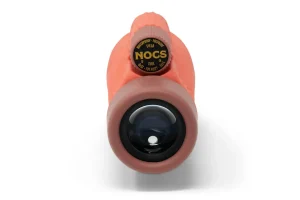
Your ED glass binocular lenses have just been caught in the rain, and now you’re staring at stubborn water spots and smudges. You want to enjoy a clear, sharp view, but the dirt and moisture are blocking your way.
Don’t worry—cleaning your lenses properly is easier than you think, and doing it right will protect your valuable optics for years to come. You’ll discover simple, effective steps to restore your binocular lenses to crystal-clear perfection, so you never miss a moment again.
Keep reading to learn exactly how to care for your lenses after the rain.
Impact Of Rain On Ed Glass Lenses
Rain can cause water spotson lenses. These spots might blur your view. Dirt and dust can stick to wet lenses easily. This can make them dirty and hard to clean. Wet lenses can also attract fungusover time. This affects the clarity of the glass.
Common Issues After Rain Exposure
- Water spots: These can reduce visibility.
- Dust particles: They stick to wet surfaces.
- Fungal growth: Moist lenses can develop fungus.
Risks Of Improper Cleaning
Cleaning lenses the wrong way can cause scratches. This can make your view blurry. Using harsh chemicals can damage the lens coating. It can reduce the lens quality over time. Always use the right cleaning materials. This keeps your lenses safe and clear.

Credit: westernhunter.net
Essential Cleaning Tools
Microfiber cloths are soft and gentle. They remove dirt without scratching lenses. Use a clean cloth to avoid rubbing dust in.
Lens cleaning solutions help break down water spotsand grime. Choose solutions made for glass lenses. Spray lightly and wipe carefully.
Soft brushes and air blowers remove loose dirt before wiping. Brushes with soft bristles won’t damage the lens surface. Air blowers clear dust without touching the glass.
Preparing Binoculars For Cleaning
Start by gently shaking the binoculars to remove large water drops. Use a soft, dry cloth to pat the lenses carefully. Avoid rubbing, as it can cause scratches.
Hold the binoculars by the body, not the lenses. This keeps the lenses safe and clean. Make sure your hands are clean and drybefore touching the binoculars.
- Use a microfiber cloth for drying.
- Avoid using paper towels or rough fabrics.
- Do not press hard on the lenses.
- Keep binoculars in a dry, safe place after cleaning.
Step-by-step Cleaning Process
Use an air blowerto gently remove dust from the lenses. Avoid using canned air, as it can damage the glass. Hold the binoculars with the lens facing down and blow air in short bursts to clear debris.
Apply a few drops of lens cleaneron the glass surface. Avoid spraying directly on the lens to prevent excess liquid from seeping inside. Use a cleaner designed for optical lenses for best results.
Wipe the lenses with a clean, dry microfiber cloth. Use gentle, circular motions to avoid scratches. Never use paper towels or rough fabrics, as they can damage the glass coating.
Drying And Final Inspection
Use a soft, dry microfiber cloth to gently dry the lenses. Avoid pressing hard to prevent scratches. Let the lenses air dry briefly if any moisture remains.
Check carefully for any water spots, streaks, or smudges. These can blur your view and should be removed.
Use clean, circular motions with the microfiber cloth to wipe away any marks. Do not use paper towels or rough fabric.
Ensure no residue like dirt or oily fingerprints is left. This keeps the lenses clear and ready for use.

Credit: www.facebook.com
Maintenance Tips To Protect Lenses
Keep binoculars in a dry, soft cloth bag after rain. Avoid storing them in a damp place. Let them air dry completely before closing the bag. This stops mold and damage to the lenses.
Clean lenses gently with a soft microfiber cloth. Use a small amount of lens cleaner if needed. Avoid using paper towels or rough fabrics that can scratch lenses.
- Check lenses for dirt or spots before use.
- Blow off dust using a lens blower or soft brush.
- Wipe lenses in a circular motion to avoid streaks.
- Store binoculars in a case to protect from dust and moisture.

Credit: westernhunter.net
Frequently Asked Questions
How Do I Safely Remove Rainwater From Ed Glass Lenses?
Use a clean microfiber cloth to gently dab water off the lenses. Avoid rubbing to prevent scratches. Let lenses air dry if needed.
Can I Use Regular Lens Cleaner On Binocular Lenses After Rain?
Yes, use a lens cleaner formulated for optics. Spray lightly and wipe gently with a microfiber cloth for best results.
What Should I Avoid When Cleaning Binocular Lenses After Rain?
Avoid using paper towels, tissues, or rough fabrics. Do not use household cleaners or excessive water, as they can damage coatings.
How Often Should I Clean Binocular Lenses After Exposure To Rain?
Clean lenses only when necessary, such as after rain or dirt exposure. Over-cleaning can wear lens coatings prematurely.
Conclusion
Cleaning ED glass binocular lenses after rain keeps your view clear and sharp. Use a soft cloth and gentle strokes to avoid scratches. Avoid harsh chemicals that can damage the lens coating. Dry lenses carefully to prevent water spots. Regular cleaning extends the life of your binoculars and improves your outdoor experience.
Take your time and treat your gear with care. Clear lenses mean better sight and more enjoyment. Simple steps make a big difference in lens care. Keep your binoculars ready for every adventure.