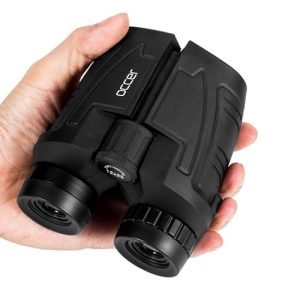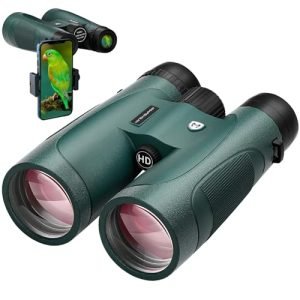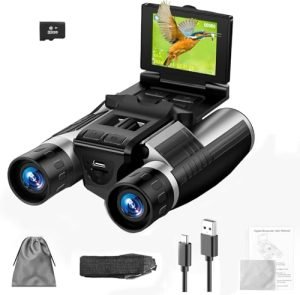
Your binoculars open up a world of detail, whether you’re birdwatching, hiking, or stargazing. But dirty lenses can ruin that experience fast.
You want to clean your binocular lenses without scratching them, right? Scratches don’t just look bad—they can blur your view and damage your gear. The good news is, with the right steps, you can keep your lenses crystal clear and scratch-free.
Keep reading to discover simple, effective ways to clean your binocular lenses safely and protect your investment for years to come.

Credit: www.reddit.com
Choosing The Right Cleaning Tools
Choosing soft, lint-free cloths protects binocular lenses from scratches during cleaning. Avoid harsh materials and always use gentle cleaning solutions designed for optics. Careful tool selection keeps lenses clear and damage-free.
Soft Microfiber Cloths
Microfiber cloths are gentle on lens surfaces. They help prevent scratches. Always use a clean cloth. This avoids spreading dirt. Fold the cloth to keep it clean. Wipe gently in circular motions.
Lens Cleaning Solutions
Not all solutions are safe for lenses. Use ones made for optics. Apply a few drops on the cloth, not directly on the lens. This keeps the lens safe from moisture. Check labels before buying.
Air Blowers And Brushes
Air blowers remove dust without touching the lens. Use them before wiping. Brushes can clean corners and edges. Make sure brushes are soft. Hard brushes can scratch the lens. Gentle cleaning keeps lenses clear.
Preparing The Binoculars For Cleaning
Start by holding the binoculars firmly to avoid drops. Use a soft brush or air blower to gently remove dust and loose debrisfrom the lenses. Avoid using your fingers or cloth at this stage, as this may cause scratches.
Never touch the lenses directly with your fingers. Oils and dirt from skin can smudge and damagethe glass. Hold the binoculars by the body or use lens caps when not cleaning.
- Use a soft brush or air blower for dust removal.
- Avoid pressing or rubbing the lenses.
- Hold binoculars by the sides to prevent touching lenses.
- Keep lens caps on when not in use.
Step-by-step Cleaning Process
Using an air blowerhelps remove dust without touching lenses. Hold binoculars steady and blow air gently. Avoid using your breath; it may add moisture or dirt.
Applying cleaning solutionrequires care. Use only a few drops on a soft cloth, never directly on lenses. Choose a solution made for optics to avoid damage.
Gentle wiping techniquesprotect lenses from scratches. Use a microfiber cloth in a circular motion. Avoid pressing hard; light strokes work best. Clean from center outward to remove dirt evenly.

Credit: www.reddit.com
Preventing Common Cleaning Mistakes
Harsh chemicalscan damage the lens coating. Use only lens-safe cleaners.
Paper towels, tissues, and napkinsare too rough. They may cause scratches.
Always avoid touching lenseswith fingers. Oils and dirt stick easily.
- Choose a soft microfiber cloth for cleaning.
- Use a gentle cleaning solution made for optics.
- Hold binoculars steady to prevent drops or slips.
Maintaining Binoculars After Cleaning
Clean binocular lenses gently using a soft microfiber cloth to avoid scratches. Store them in a protective case to keep dust and dirt away. Regular, careful maintenance helps preserve clear, sharp views.
Proper Storage Tips
- Keep binoculars in a soft case to avoid scratches.
- Store in a cool, dry place to prevent moisture damage.
- Avoid direct sunlight to protect lens coatings.
- Use lens caps to guard against dust and dirt.
- Handle with clean hands to reduce oil transfer.
Regular Cleaning Schedule
Clean lenses only when needed to avoid wear. Use a soft brush or air blower first. Then wipe gently with a microfiber cloth. Avoid harsh chemicals or rough materials. Check for dirt and smudges every few weeks. Clean binoculars more often if used outdoors.

Credit: www.reddit.com
When To Seek Professional Help
Persistent smudges or deep scratches may need expert care to prevent damage. Seek professional help if lenses show signs of wear or cleaning does not improve clarity. Experts can safely restore lens quality without causing harm.
Dealing With Stubborn Stains
Stubborn stains on binocular lenses can be tough to clean. If normal cleaning methods do not work, it is best to ask an expert. Professionals have special tools and solutions to remove tough dirt without damage. Trying to clean these stains by yourself might cause scratches.
Repairing Scratches Or Damage
Scratches on lenses reduce image quality. Small scratches might not be a big problem, but deep ones can harm your view. Repairing scratches needs special skills and tools. Experts can polish or replace lenses safely. Avoid using rough materials or strong chemicals at home to fix damage.
Frequently Asked Questions
How Do I Clean Binocular Lenses Safely?
Use a soft brush or air blower to remove dust first. Then, gently wipe with a microfiber cloth and lens cleaner designed for optics. Avoid using household cleaners or rough materials that can scratch the lenses.
What Materials Should I Avoid On Binocular Lenses?
Avoid paper towels, tissues, and clothing as they can scratch lenses. Also, steer clear of household chemicals like ammonia or alcohol. Use only lens-safe cleaning solutions and soft, lint-free cloths specifically made for optical lenses.
Can Water Damage Binocular Lenses During Cleaning?
Using distilled water in small amounts is safe for cleaning lenses. Avoid tap water due to minerals that can leave deposits. Never soak lenses or allow water to seep inside the binoculars to prevent internal damage.
How Often Should I Clean Binocular Lenses?
Clean lenses only when necessary, such as when visibly dirty or dusty. Frequent cleaning can increase the risk of scratches. Regularly inspect and gently remove loose debris to maintain clear vision and prolong lens life.
Conclusion
Cleaning binocular lenses needs care and the right tools. Use soft cloths and gentle cleaners only. Avoid rough materials that can cause scratches. Clean regularly to keep your view clear and bright. Taking small steps helps protect your lenses long-term.
Keep your binoculars ready for every adventure. A little effort goes a long way in lens care. Enjoy sharp, clear images every time you look through them. Simple habits make a big difference.