Are you looking for the perfect binoculars to keep a sharp eye on the sea? Choosing the right pair can make all the difference in your maritime surveillance.
Whether you’re monitoring from a boat or the shore, your binoculars need to deliver clear, reliable views every time. But with so many options out there, how do you know which ones will truly meet your needs? In this guide, you’ll discover exactly what features to look for, so you can make confident decisions and never miss a critical detail on the water.
Keep reading to find out how to pick binoculars that work as hard as you do.
Key Features For Maritime Binoculars
Choosing binoculars for maritime use requires attention to specific features. These features ensure clear views and durability in tough sea conditions.
Understanding these key points helps you select the right binoculars for maritime surveillance.
Magnification And Objective Lens Size
Magnification shows how much closer objects appear. Objective lens size affects light gathering and image brightness. Higher magnification can make images shaky without a tripod.
- Magnification: Usually 7x to 10x is best for steady views.
- Objective Lens Size: Larger lenses (42mm to 50mm) gather more light for clear images.
- Balance: Bigger lenses mean heavier binoculars.
Waterproof And Fogproof Ratings
Binoculars need to resist water and fog in marine environments. Look for products sealed with O-rings and filled with nitrogen or argon gas. These prevent fogging inside the lenses.
| Feature | Importance |
| Waterproof (IPX7 or higher) | Prevents water damage during rain or splashes |
| Fogproof | Stops internal lens fogging from temperature changes |
| Gas Filling (Nitrogen/Argon) | Keeps moisture out and improves clarity |
Field Of View Importance
The field of view is the width of the area seen through the binoculars. A wide field helps scan large sea areas quickly. It makes spotting boats and objects easier and faster.
Choose binoculars with a wider field of view if you want to cover more area without moving your eyes much.
Durability And Build Quality
Maritime binoculars should stand up to harsh conditions. Strong materials and good build quality increase lifespan. Rubber coatings add grip and shock resistance.
- Use rubber armor for better grip and protection.
- Look for sturdy hinges and eyecups.
- Choose corrosion-resistant materials like aluminum or magnesium.
- Check for secure lens caps and covers.

Credit: www.amazon.com
Optical Quality Essentials
Choosing the right binoculars for maritime surveillance depends largely on optical quality. Clear, bright images help you spot objects far away on the water.
Good optics reduce eye strain and improve accuracy during long periods of use. Knowing the key features can help you pick the best pair.
Lens Coatings And Light Transmission
Lens coatings protect the glass and improve how much light passes through the lenses. This makes images brighter and clearer.
Fully multi-coated lenses offer the best light transmission. This helps you see better in low light, such as early morning or late evening.
- Coated lenses have a single layer of coating
- Fully coated lenses have coatings on all air-to-glass surfaces
- Multi-coated lenses have multiple layers on some surfaces
- Fully multi-coated lenses have multiple layers on all surfaces
Prism Types And Their Benefits
Prisms inside binoculars help flip the image right side up. There are two main types: roof prisms and porro prisms.
Porro prisms provide better depth and wider views. Roof prisms are compact and easier to handle on boats.
- Porro prisms are usually bulkier but give clearer images
- Roof prisms are slim and more waterproof
- Roof prism binoculars often weigh less
Eye Relief And Comfort
Eye relief is the distance from the eyepiece where you see the full image. Longer eye relief helps with comfort, especially for people who wear glasses.
Comfort during use is important for long hours on the water. Adjustable eyecups and a good grip also improve the experience.
- Look for at least 15mm of eye relief if you wear glasses
- Twist-up or fold-down eyecups help adjust eye relief
- Rubber grips keep binoculars steady in wet conditions
Specialized Functions For Surveillance
Choosing the right binoculars for maritime surveillance requires attention to specialized functions. These features help you see clearly and gather accurate information.
This guide covers three key functions: image stabilization, rangefinding, and night vision performance.
Image Stabilization Technology
Image stabilization reduces shaking from hand movements or waves. It gives a steady view even on a moving boat. This helps you track distant objects without blurring.
Look for binoculars with electronic or optical stabilization. They work to keep the image sharp and clear for longer periods.
Rangefinding Capabilities
Rangefinding lets you measure the distance to objects. This is important for navigation and identifying targets at sea.
- Laser rangefinders give precise distance readings
- Some models show distance directly in the eyepiece
- Rangefinders can help estimate size and speed of moving objects
- Check the maximum range to match your surveillance needs
Night Vision And Low Light Performance
Good low light performance helps you see at dawn, dusk, or in fog. Night vision binoculars amplify available light for better visibility in darkness.
| Feature | Benefit |
| Infrared illumination | Improves night vision without visible light |
| High-quality lenses | Increase light transmission for clearer images |
| Adjustable brightness | Prevents glare in different light conditions |
Ergonomics And Usability
Choosing binoculars for maritime surveillance means focusing on comfort and ease. Good ergonomics help you use them for long periods without strain.
Usability features let you react quickly to changing views on the water. Look closely at how the binoculars feel and work in your hands.
Weight And Handling
Light binoculars reduce arm fatigue during long use. A balanced design helps you hold them steady for clearer images.
- Choose binoculars that feel comfortable in your hands.
- Look for rubber armor for a firm grip, even when wet.
- Consider the size to fit easily inside your gear bag.
- Test how easy it is to carry around your neck or on a harness.
Adjustability And Focus Mechanisms
Quick and smooth focus is vital on moving boats. Adjustable eyecups help users wear glasses comfortably.
| Feature | Benefit |
|---|---|
| Central Focus Wheel | Easy to adjust with one hand quickly |
| Diopter Adjustment | Sharpens image for differences between eyes |
| Twist-Up Eyecups | Comfortable viewing for users with or without glasses |
Mounting Options
Mounting helps keep binoculars steady for long viewing sessions. Some mounts attach to boats or tripods for hands-free use.
Common mounting choices include:
- Neck straps with quick-release clips for easy removal
- Tripod adapters to fix binoculars in place
- Boat mounts that absorb shocks and motion
Budget Considerations
Choosing binoculars for maritime surveillance needs careful budget planning. You want good quality without spending too much.
Understanding what fits your budget helps you pick binoculars that last and perform well on the water.
Balancing Cost And Performance
Binoculars with high performance often cost more, but cheaper models may lack durability or clarity. Find a balance that suits your needs.
Focus on key features like waterproofing, lens quality, and magnification. These affect how well you see in marine conditions.
- Set a clear budget limit before shopping
- Look for binoculars with good waterproof ratings
- Choose models with multi-coated lenses for better clarity
- Consider size and weight for long use
- Read user reviews on durability and performance
Recommended Brands And Models
Some brands offer reliable binoculars for maritime use at various price points. These brands have good track records for quality and service.
Models vary in features and price. Select one that fits your budget and meets maritime needs.
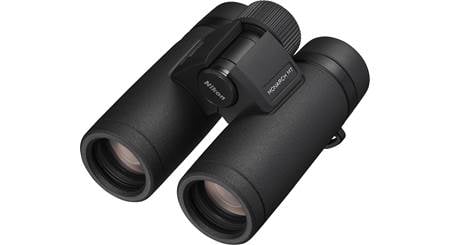
- Nikon:Known for sharp images and durability
- Bushnell:Offers affordable waterproof options
- Steiner:High-end with excellent waterproof and fog-proof features
- Vortex:Good balance of price and quality
- Celestron:Budget-friendly with decent optics

Credit: www.reddit.com
Maintenance And Care Tips
Proper care helps your binoculars last longer and work well. Regular maintenance keeps the lenses clear and the body safe from damage.
Following simple steps can protect your binoculars from saltwater and rough sea conditions common in maritime use.
Cleaning Lenses Safely
Cleaning lenses must be done gently to avoid scratches. Use soft tools made for optics.
- Blow off loose dust with a blower or soft brush
- Use lens cleaning fluid and a microfiber cloth
- Wipe in circular motions without pressing hard
- Avoid household cleaners and rough materials
Storage And Protection
Keep binoculars safe by storing them properly. Avoid moisture and direct sunlight.
| Storage Tip | Reason |
| Use a padded case | Prevents bumps and scratches |
| Store in a dry place | Stops mold and rust |
| Keep away from heat | Protects lens coatings |
| Remove batteries if not used long | Prevents corrosion and leaks |
Regular Inspections
Check your binoculars often for damage or wear. Early fixes avoid bigger problems.
- Look for scratches or dirt on lenses
- Test focus and zoom for smooth operation
- Check for loose screws or parts
- Inspect seals to keep water out
Credit: www.crutchfield.com
Frequently Asked Questions
What Magnification Is Ideal For Maritime Binoculars?
A magnification of 7x to 10x is ideal for maritime use. It provides clear, stable images without excessive shake. Higher magnification can reduce image stability and field of view, making navigation harder.
How Important Is Waterproofing In Maritime Binoculars?
Waterproofing is essential for maritime binoculars. It protects against water damage, fogging, and corrosion. Look for binoculars with IPX7 or higher ratings for reliable performance at sea.
Should I Choose Binoculars With Image Stabilization?
Yes, image stabilization is beneficial for maritime surveillance. It reduces hand-shake effects, delivering steady views in rough sea conditions. This feature enhances observation comfort and accuracy.
What Lens Coating Improves Maritime Viewing Quality?
Fully multi-coated lenses improve light transmission and reduce glare. This results in brighter, clearer images even in low light or hazy maritime environments. Choose binoculars with quality coatings for optimal clarity.
Conclusion
Choosing the right binoculars is vital for maritime surveillance. Consider lens quality, magnification, and durability. Check waterproof features and ease of use. Comfort matters during long observation hours. Budget also plays a role, so prioritize features. Test different models if possible.
A good choice enhances your maritime experience. Make informed decisions for clarity and precision. With the right binoculars, spotting distant objects becomes easier. Always prioritize your specific needs. This ensures effective surveillance. Remember, the right pair makes a difference. Happy observing!