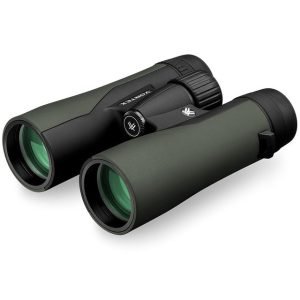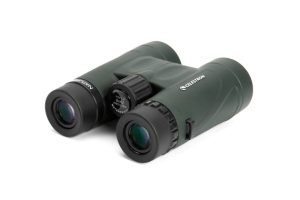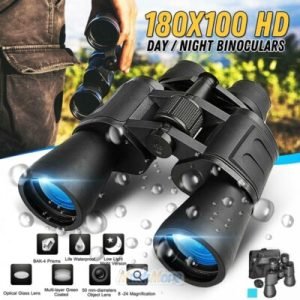
When you’re out on a long hike, having waterproof binoculars can make all the difference. You want to spot distant wildlife, enjoy breathtaking views, or simply stay aware of your surroundings.
But how do you carry these handy tools without adding bulk or risking damage? If you’ve ever struggled with keeping your binoculars safe and accessible on the trail, this guide is for you. Keep reading to discover simple, practical tips that will make carrying your waterproof binoculars easy and comfortable—so you can focus on the adventure ahead.

Credit: www.nocsprovisions.com
Choosing The Right Waterproof Binoculars
Carrying waterproof binoculars on long hikes needs careful packing to stay safe and handy. Use padded cases and secure straps to protect them from bumps and water. Keep them easily reachable for quick use during your adventure.
Key Features To Look For
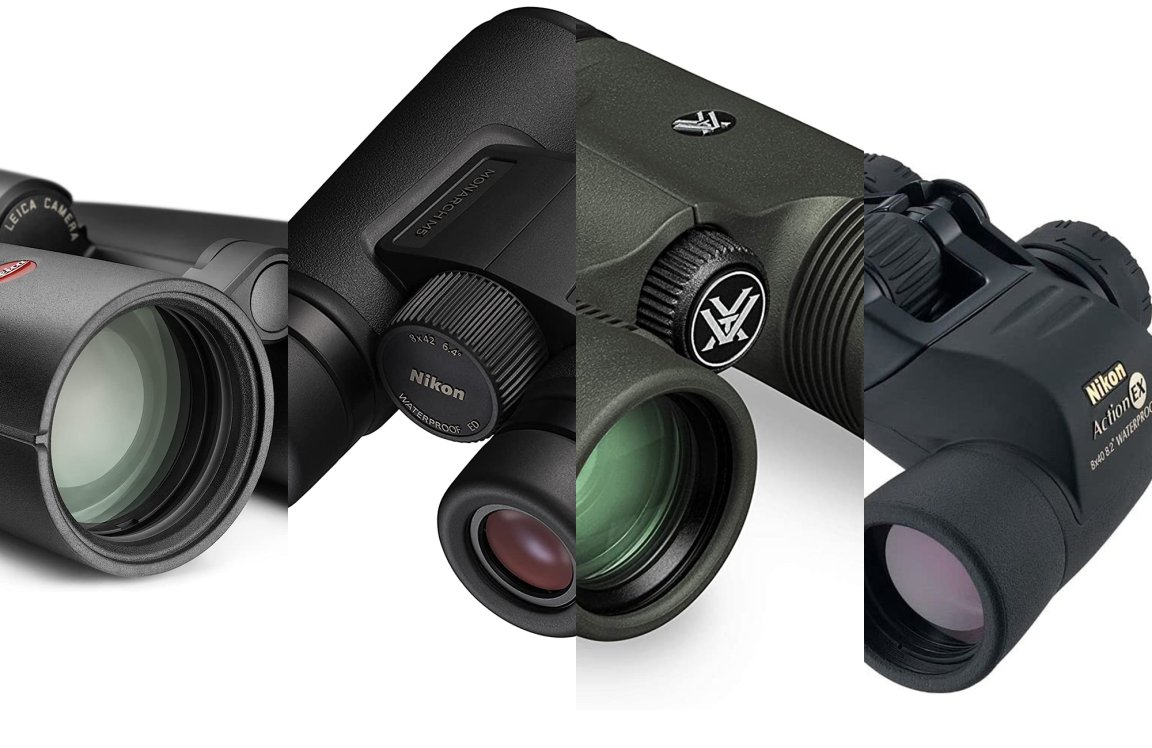
Ensure they have a good water-resistant rating. It’s vital for wet conditions. Look for lenses with anti-fog coatings. This helps in cold weather. Check for rubber armor coating. It offers better grip and protection.
Size And Weight Considerations
Choose binoculars that are light and compact. They should fit in your backpack easily. Heavy binoculars can tire you out. Look for ones under 2 pounds. It’s ideal for long hikes.
Durability And Build Quality
Strong materials like polycarbonateensure durability. Check for shockproof features. They protect against drops. Sealed binoculars prevent dust and moisture entry. This ensures long-term use.
Packing Techniques For Long Hikes
Using a protective casekeeps binoculars safe from scratches and shocks. Soft padded cases absorb bumps during hikes. Waterproof cases guard against rain and mud. Choose a case that fits your binoculars snugly.
Securing binoculars inside your backpack prevents damage. Place them in a separate compartment or a side pocket. Use straps or elastic bands to hold them steady. Avoid putting heavy items on top of your binoculars.
Weatherproofing gear is vital. Wipe binoculars dry if they get wet. Store them in sealed plastic bags inside your pack. Carry a small microfiber cloth to clean lenses on the trail.
Carrying Options On The Trail
Neck strapskeep binoculars close and ready. They are light and let you use your hands freely. Choose straps with padding for comfort. Harnessesspread the weight across shoulders, reducing neck strain. They keep binoculars secure during rough moves.
Chest packshold binoculars in front, easy to reach and safe. They protect binoculars from bumps and rain. Holstersattach to belts or packs. They offer quick access and keep binoculars stable.
- Carabinersclip binoculars to backpacks or belts. They are strong and simple.
- Clipshold binoculars firmly in place. They prevent swinging while walking.
- Use carabiners or clips with a secure strap for extra safety.

Credit: fieldethos.com
Maintaining Binoculars During Hikes
Cleaning lenseswith a soft cloth keeps views clear. Use a lens brush or blower to remove dust. Avoid wiping lenses dry when dirty; it may scratch them. Use lens cleaning solution or water for stains. Dry gently with a microfiber cloth.
Preventing foginside binoculars is key. Store them in a dry place when not in use. Use silica gel packs in the case to absorb moisture. Avoid breathing directly on lenses. Wipe lenses if fog appears during hikes.
Regular checkshelp spot damage early. Look for cracks, loose parts, or dirt inside. Tighten screws carefully if they become loose. Check the strap for wear and replace if needed. Fix small issues before they get worse.
Additional Tips For Comfort And Safety
Keep your waterproof binoculars easy to reachbut safe from drops. Use a neck strap or chest harness to balance access and security. Avoid carrying them in your hand for long times to save energy.
To reduce fatigue and strain, choose lightweight binoculars. Use padded straps to ease pressure on your neck and shoulders. Switch carrying positions often to prevent soreness.
| Weather Condition | Tip for Carrying Binoculars |
|---|---|
| Rain | Keep binoculars in a waterproof case or pouch. |
| Hot Sun | Use a light-colored strap to avoid heat absorption. |
| Cold | Wear gloves with grip to handle binoculars easily. |
| Windy | Secure binoculars tightly to avoid swinging. |
Credit: www.popsci.com
Frequently Asked Questions
How Do I Protect Waterproof Binoculars During Hikes?
Use a sturdy, padded case to protect binoculars from bumps. Secure the case to your backpack or belt for easy access and safety.
What’s The Best Way To Carry Binoculars Hands-free?
Use a neck strap or harness designed for binoculars. This keeps your hands free and prevents dropping or losing them while hiking.
Can Waterproof Binoculars Withstand Heavy Rain On Trails?
Yes, waterproof binoculars resist rain and moisture. However, always wipe lenses dry and store them in a protective case after exposure.
Should I Use A Binocular Harness Or Neck Strap?
A binocular harness distributes weight evenly, reducing neck strain on long hikes. Neck straps are simpler but may cause discomfort over time.
Conclusion
Carrying waterproof binoculars on long hikes keeps them safe and ready. Use a sturdy case or harness to protect them from rain and bumps. Attach them securely to your backpack or belt for easy access. Keep them clean and dry after use to last longer.
These simple steps help you enjoy clear views on every trail. Stay prepared and enjoy your outdoor adventures with confidence.