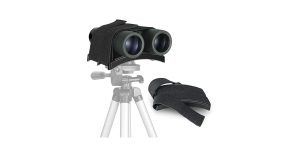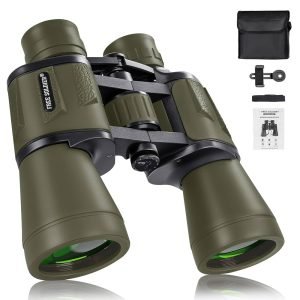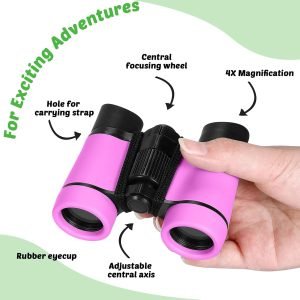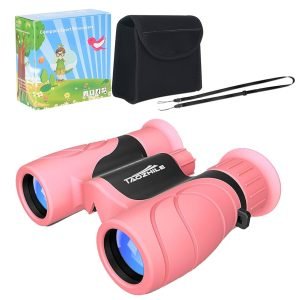
When you’re out hunting, having your monocular ready at the right moment can make all the difference. But how you carry it matters just as much as having it with you.
If your monocular is hard to reach or gets in the way, you could miss that perfect shot. You’ll discover simple, practical ways to carry your monocular so it’s always within easy reach, safe from damage, and comfortable to carry.
Keep reading to learn how to make your hunting experience smoother and more successful by mastering the art of carrying your monocular the right way.
Choosing The Right Monocular
Choosing the right monocular depends on several important factors. Size and weight matter a lot for ease of carrying during hunting. A smaller, lighter monocular is easier to handle for long periods. Look for good optical clarityto see animals clearly, even in low light. Waterproof and fog-proof features help in tough weather. Also, check the magnification power. Too high magnification can make the image shaky. A balanced magnification between 6x and 10x is usually best. Comfort grip and durable body make carrying easier and safer.
| Brand | Model | Magnification | Weight | Special Features |
|---|---|---|---|---|
| Nikon | Monarch 7 | 8x | 6.6 oz | Waterproof, Fog-proof |
| Vortex | Solo | 10x | 7 oz | Rubber Armor, Waterproof |
| Bushnell | Legend Ultra HD | 8x | 6.5 oz | HD Optics, Fog-proof |
Credit: www.hunter-ed.com
Proper Handling Techniques
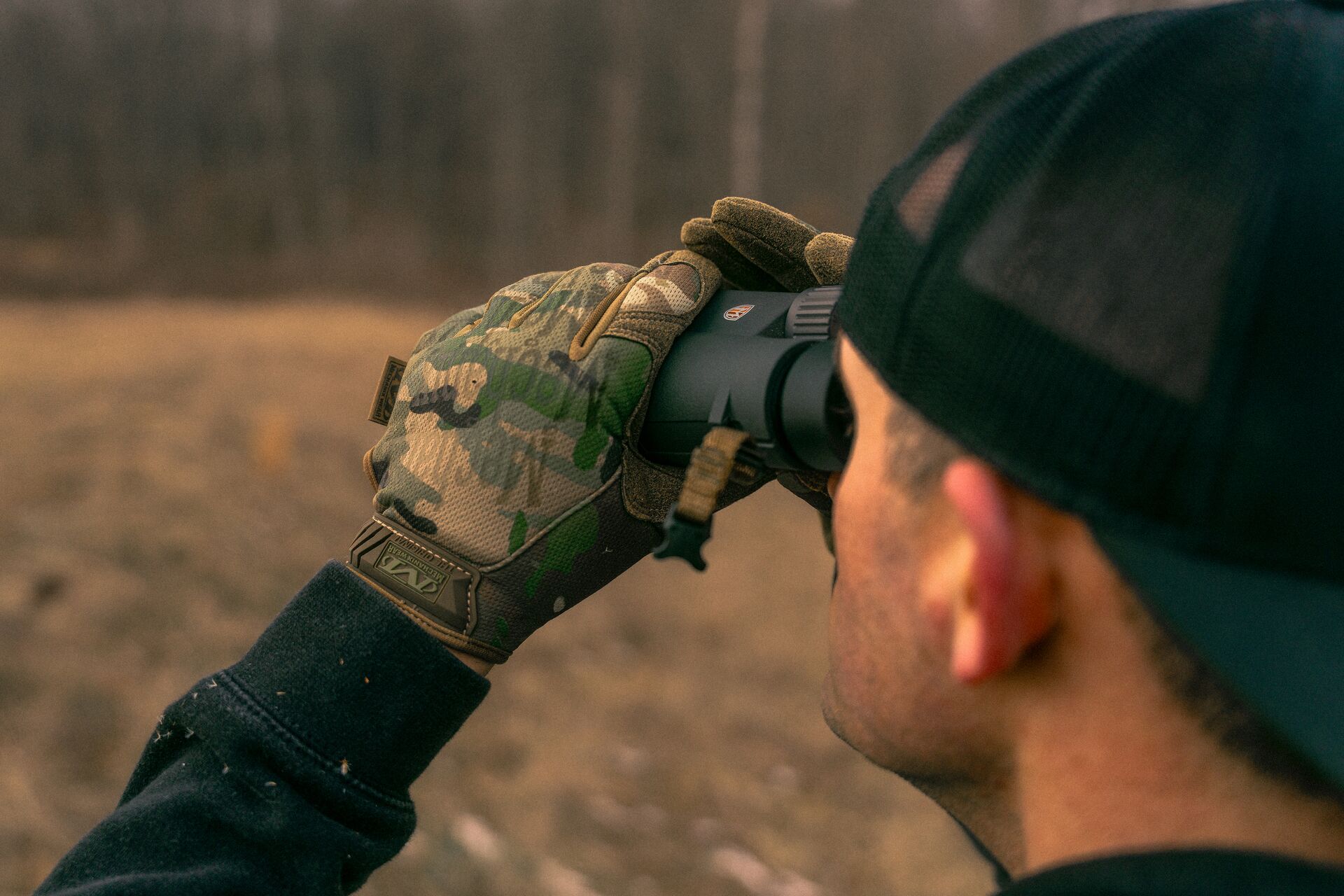
Carry monoculars close to your body to avoid dropping them during movement. Use a neck or wrist strap for added security and quick access. Keep hands free to maintain balance and handle other gear safely.
Maintaining A Steady Grip
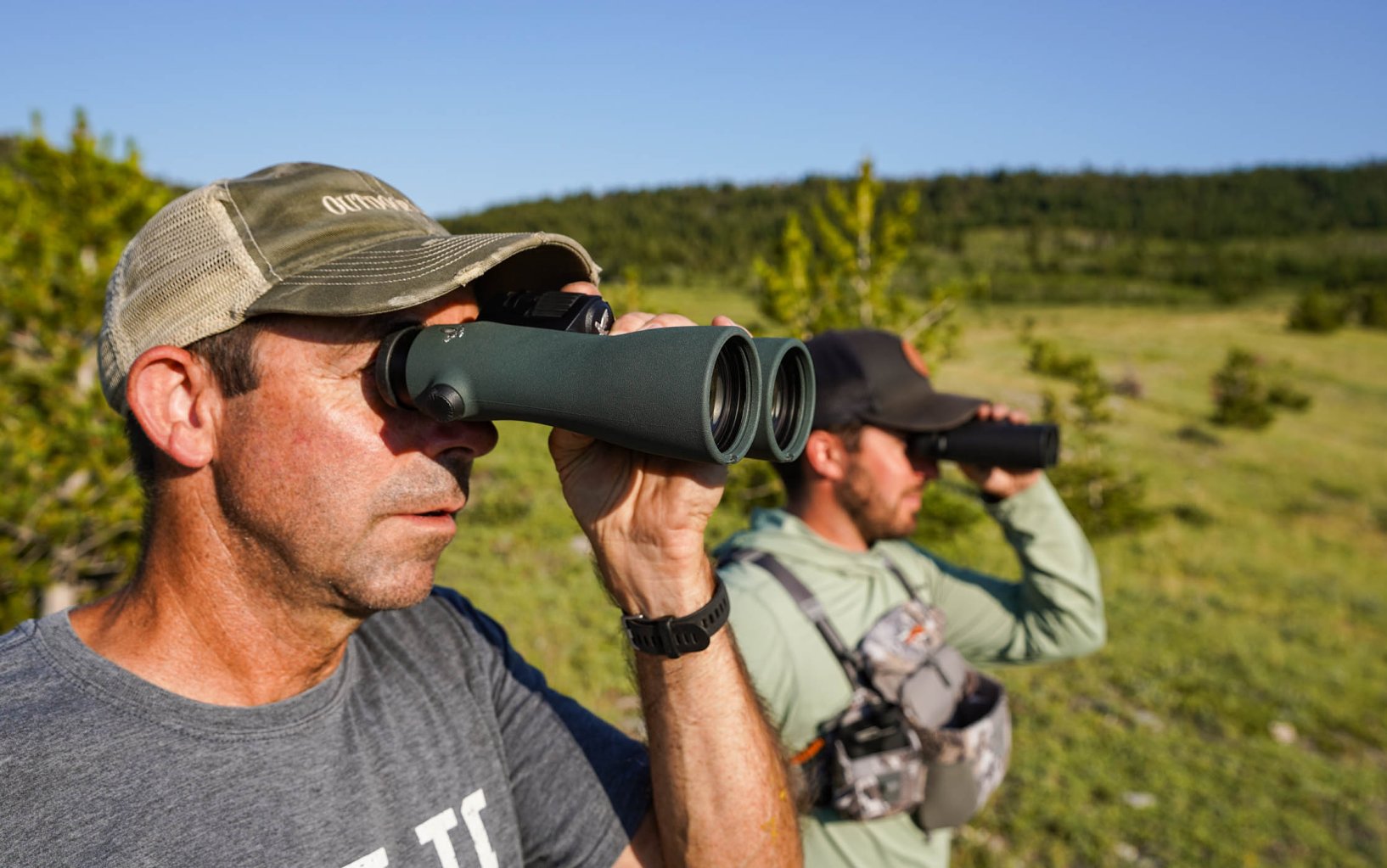
Hold the monocular with both hands for better control. Keep your fingers wrapped around the body firmly but gently. Avoid gripping too tight to prevent shaking. Use a wrist strap to secure it and reduce the risk of dropping. Keep your elbows close to your body to stabilize the device.
Preventing Damage
Always store the monocular in a protective case when not in use. Avoid exposing it to rain or dust for long periods. Clean the lenses with a soft cloth to avoid scratches. Do not place the monocular on rough or hard surfaces without protection. Check the straps and joints regularly for wear and tear.
Storage Options
Protective cases and pouches keep monoculars safe from dust and scratches. These cases often have soft lining to protect lenses. Many come with straps for easy carrying. Some pouches have belt loops to attach to your pants or backpack.
Attaching monoculars directly to gear saves time. Clips, carabiners, or Velcro straps can fix monoculars to backpacks or vests. This keeps them ready for quick use. Secure attachment helps prevent dropping or losing the monocular.

Credit: www.instagram.com
Accessibility During Hunting
Carrying monoculars during hunting requires quick accessfor spotting game fast. Keeping it within reach saves time and effort. Use a belt holsteror a chest harnessfor easy grabbing. These options keep the monocular stable and ready.
Placing the monocular on the chestor side waistallows for fast use. Avoid pockets that make you dig deep. Choose a spot where the monocular won’t bounce or fall. Comfort matters too. The better it fits, the more you will use it.
- Belt holster for quick side access
- Chest harness for hands-free carrying
- Neck strap for immediate use
- Secure pockets for protection
Weather Considerations
Wet conditionscan damage monoculars. Use a waterproof case to keep them dry. Wipe lenses with a soft cloth if they get wet. Avoid opening the case in rain or snow to protect the optics.
Carrying monoculars in wet weather needs care. Use a neck strap or harness to keep them close and safe. This prevents dropping or water exposure.
Dust and debriscan scratch lenses and block views. Store monoculars in a sealed pouch or case. Clean lenses gently with a lens brush or cloth after use.
Keep the monocular covered when not in use. Avoid placing it on the ground or dusty surfaces. Regular cleaning extends the life of the device and keeps views clear.
Credit: www.outdoorlife.com
Maintenance And Care
Keep monocular lenses clean using a soft, lint-free cloth. Avoid rough materials that can scratch the glass. Use lens cleaning solution or warm water for stubborn dirt. Never use household cleaners or tissues.
Check the monocular regularly for loose parts or damage. Tighten screws and adjust the focus as needed. Store it in a dry, padded case to protect from dust and impact. Regular care keeps your gear ready for the next hunt.
Common Mistakes To Avoid
Improper storagecan cause scratches and damage. Avoid leaving monoculars in pockets or bags without protection. Use a soft case to keep them safe from dust and moisture. Store them in a cool, dry place to prevent mold and rust.
Neglecting regular carecan reduce the monocular’s lifespan. Clean lenses with a microfiber cloth only. Avoid using rough materials that can scratch the glass. Check for dirt or debris before and after every use. Regularly inspect the straps and body for wear and tear.
Enhancing Hunting Experience
Monoculars help hunters see animals from far away with clear detail. Carry them comfortably to keep hands free and ready. Use a neck strap or a chest harness for easy access. This keeps the monocular secure and reduces shaking.
Tracking animals becomes easier with steady use of monoculars. Spot movements quickly and quietly without scaring the game. Adjust the focus smoothly for sharp images. Practice using the monocular before the hunt.
Good optics improve hunting accuracy. Choose monoculars with high-quality lenses and good light transmission. This helps see animals even in low light. Clean lenses regularly to avoid blurry views.
Frequently Asked Questions
How Should I Carry Monoculars While Hunting?
Carry monoculars using a sturdy neck strap or a chest harness. These options keep them secure and accessible during movement. Avoid carrying them loosely in pockets to prevent damage and loss.
What Is The Best Case For Monoculars During Hunting?
A padded, waterproof case with a belt loop is ideal. It protects the monocular from impacts and weather. Choose a compact, lightweight case for easy carrying and quick access.
Can I Carry Monoculars In My Hunting Backpack?
Yes, placing monoculars in a dedicated padded compartment inside your backpack is safe. Ensure they are secure to avoid scratches or damage from other gear.
Should I Use A Lanyard Or Harness For Monoculars?
Using a lanyard or harness is recommended. It keeps the monocular close to your body, reducing the chance of dropping or misplacing it during hunting.
Conclusion
Carrying monoculars properly makes hunting easier and safer. Choose a comfortable spot on your gear or body. Keep the monocular secure to avoid damage or loss. Practice carrying it before heading out to the field. This helps you stay ready and focused while hunting.
Small steps make a big difference in your experience. Stay light and move quietly with the right setup. Enjoy your time outdoors with confidence and ease.