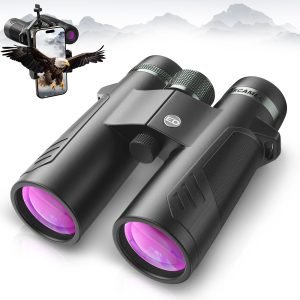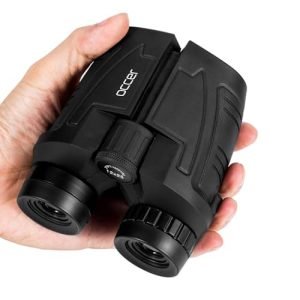
Carrying your Ed Glass binoculars comfortably can make all the difference in how much you enjoy your outdoor adventures. If you’ve ever struggled with awkward straps or heavy gear digging into your shoulders, you know how quickly discomfort can ruin the experience.
But what if there was a simple way to carry your binoculars that feels natural and light, no matter how long you’re out? You’ll discover easy tips and smart tricks to keep your binoculars secure and comfortable, so you can focus on the view—not the strain.
Keep reading to find out how to carry your Ed Glass binoculars with ease every time.

Credit: www.alibaba.com
Choosing The Right Strap
Choosing the right strap helps carry ED glass binocularswith ease. Straps come in different types, each offering unique benefits.
- Neck strapskeep binoculars close and hands-free.
- Shoulder strapsspread weight for comfort during long use.
- Harness strapsprovide extra stability and reduce neck strain.
Adjusting strap length is important. Too short can feel tight. Too long may cause swinging. Find a length that fits your body well.
Material affects comfort and durability. Soft padded straps reduce pressure on the neck. Nylon straps are strong and lightweight. Leather straps add style but can be heavier.

Credit: www.amazon.com
Balancing Weight Distribution
Using a harness systemspreads the weight of binoculars across your shoulders. This reduces strain on your neck and back. Harnesses keep binoculars close to your body, preventing swinging or bouncing during movement.
| Carrying Style | Comfort Level | Best Use |
|---|---|---|
| Shoulder Carrying | Moderate | Short trips or quick use |
| Neck Carrying | Less Comfortable | Short periods, light binoculars |
| Harness Systems | High | Long hikes or heavy binoculars |
Choosing between shoulder and neck carrying depends on comfort and activity. Neck carrying can cause neck pain if binoculars are heavy. Shoulder carrying is better but may cause arm fatigue. Harness systems are best for balance and comfort.
Ergonomic Carrying Techniques
Hold the binoculars with both hands to keep them steady. Place your thumbs under the barrels for support. Wrap your fingers around the sides gently but firmly. Avoid gripping too tight; it can cause hand fatigue. Keep your elbows close to your body to reduce arm strain. Rest your arms on a stable surface if possible.
Adjust the neck strap to a comfortable length. This helps share the weight and frees your hands when needed. Use padding on the strap to avoid neck pressure. Take breaks often to relax your hands and shoulders. Stretch your fingers and wrists between uses to keep blood flowing.

Credit: www.amazon.com
Accessorizing For Comfort
Padding and cushionsmake carrying binoculars easier. Soft padding on straps helps reduce neck and shoulder pain. Cushions prevent the binoculars from digging into your skin. They add comfort during long use. Choose materials that are soft but firm enough to hold the binoculars steady.
Additional support optionshelp balance the weight. Chest harnesses distribute the load evenly. Waist belts take pressure off your neck and shoulders. These supports keep binoculars stable and stop them from bouncing when you move.
- Use padded straps for neck comfort
- Choose cushions that fit your binocular size
- Try chest harnesses for better weight distribution
- Consider waist belts for extra support
- Adjust all accessories to fit snugly but not tight
Maintaining Binoculars For Ease
Regular cleaningkeeps binocular lenses clear and sharp. Use a soft cloth or lens brush to remove dust gently. Avoid using rough materials that can scratch the glass. Clean the lenses only when needed to protect coatings. Use a special lens cleaner or water, never household cleaners. Wipe in a circular motion for best results.
Proper storageprotects binoculars from damage and dirt. Keep them in a padded case when not in use. Store in a dry place to avoid moisture and mold. Use lens caps to shield the glass from scratches and dust. Avoid leaving binoculars in direct sunlight or extreme heat. This care helps binoculars last longer and stay comfortable to carry.
Expert Recommendations
Carrying ED glass binocularscomfortably means balancing weight and ease. Use a padded neck strap to reduce pressure. Adjust the strap so the binoculars hang close to your chest, not swinging freely. This keeps them steady and easy to grab.
Try a chest or shoulder harness for extra support. These help spread the weight evenly across your body. This avoids neck pain during long use.
Keep the binoculars in a soft case when not in use. It protects them and makes carrying easier. Avoid holding binoculars tightly with your hands for long periods. This can cause fatigue and reduce comfort.
| Common Mistakes to Avoid |
|---|
|
Frequently Asked Questions
How Do I Carry Ed Glass Binoculars Hands-free?
Use a comfortable neck or shoulder strap designed for binoculars. Adjust the strap length to avoid strain. This keeps your hands free and binoculars secure during activities.
What Is The Best Way To Protect Binoculars While Carrying?
Store binoculars in a padded case or pouch when not in use. This prevents scratches and damage from impacts. Always secure the case to your belt or backpack.
Can I Carry Ed Glass Binoculars In A Backpack?
Yes, place binoculars in a padded compartment or case inside your backpack. This offers protection and easy access. Ensure the case is secure to prevent movement.
How To Reduce Neck Strain While Carrying Binoculars?
Use a padded, adjustable strap to distribute weight evenly. Take breaks to relieve tension. Consider using a harness for better support during extended use.
Conclusion
Carrying ED glass binoculars does not need to be hard or tiring. Use a good strap or harness to keep them close. Adjust the straps so the binoculars stay steady but feel comfortable. Protect the lenses with a soft case when not in use.
Keep them easy to reach for quick viewing. Small steps like these make your outdoor time better. Enjoy clear views without neck or shoulder pain. Comfort helps you focus on what matters—your sight.