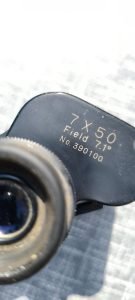
Is your tripod-compatible binocular’s focus mechanism acting up? You’re not alone, and the good news is—you don’t have to replace your entire binocular just yet.
Fixing the focus can seem tricky, but with the right steps, you can restore sharp, clear views quickly. Imagine effortlessly bringing distant scenes into perfect clarity again. In this guide, you’ll discover simple, effective ways to repair your binocular’s focus mechanism, saving you time and money.
Ready to get your gear working like new? Let’s dive in.
Diagnosing Focus Issues
Focus issues in tripod compatible binoculars can come from several causes. Blurry imagesoften mean the focus wheel is stuck or damaged. Uneven focusbetween lenses can show a misalignment. Sometimes, the focus mechanism feels looseor hard to turn. Dust or dirt inside can also block smooth movement.
To find the problem, check if the focus wheel moves smoothly. Try adjusting it while watching the view. If the image stays blurry or shifts, the mechanism needs fixing. Look for any visible damage or dirt near the focus wheel and lenses.
| Tools Needed for Diagnosis |
|---|
|

Credit: www.amazon.com
Disassembling Binoculars
Start by placing the binoculars on a soft cloth. This prevents scratches during the process. Use a small screwdriver to remove screws holding the outer casing. Keep the screws in a safe place. Gently lift the casing off without forcing it. Some models may have clips that need careful prying.
Once the outer casing is removed, locate the focus mechanism inside. This part usually has gears connected to the central wheel. Check for dirt or broken parts. Clean any dust with a soft brush. Avoid touching lenses directly to prevent smudges.
Cleaning And Lubricating
Remove the binoculars’ outer casing carefully to access internal parts. Use a soft brush or compressed air to clear dust and dirt gently. Avoid touching lenses or delicate parts with fingers. Use a lint-free cloth for wiping components softly. Check for any stuck debris that might block the focus mechanism.
Use a small amount of light lubricant designed for optics. Apply it only to moving metal parts, like gears and hinges. Avoid excess lubrication; too much can attract dust or cause stickiness. Use a fine applicator or a cotton swab for precise application. Rotate the focus wheel slowly to spread lubricant evenly. Clean off any excess oil to keep parts clean and working smoothly.

Credit: www.amazon.com
Repairing Or Replacing Parts
Minor damage to the focus mechanism can often be fixed at home. Cleaning the gears and knobs removes dirt that blocks smooth movement. Use a soft cloth and gentle cleaner for this task. Tighten any loose screws with a small screwdriver. Check if the focusing ring turns evenly without sticking.
Replacing faulty components may be needed if damage is more serious. Common parts to replace include the focusing wheel, gears, or springs. Use parts made for your binocular model for best fit. Sometimes, ordering these parts online is easiest. Carefully remove the broken part using small tools. Then, install the new part and test the focus mechanism. Make sure all pieces fit well and move freely.
Reassembling And Testing
Carefully place all parts back in their correct spots. Use the screws to secure the lenses and focus knobs. Check that no parts are loose or out of place. Tighten screws gently to avoid damage. Make sure the focus wheel turns smoothly without resistance. Align the binocular barrels properly so they sit straight.
Test the focus by looking through the binoculars at a distant object. Slowly turn the focus knob to see if the image sharpens clearly. Adjust until the view is crisp and easy to see. If the image stays blurry, check the lens alignment again. Repeat the focus test several times to confirm smooth operation.

Credit: www.amazon.co.uk
Preventive Maintenance Tips
Keep the binoculars clean to ensure smooth focus movement. Use a soft brush or cloth to remove dust and dirt gently. Avoid using water or harsh chemicals, as they can damage the lenses and focus mechanism. Clean the lenses with a microfiber cloth to prevent scratches.
Store binoculars in a dry, cool place away from direct sunlight. Use a protective case to avoid dust buildup and accidental drops. Avoid leaving binoculars in hot cars or humid areas. Proper storage helps prevent rust and keeps the focus mechanism working well.
Frequently Asked Questions
How Do I Fix Blurry Focus On Tripod Binoculars?
To fix blurry focus, clean the lenses and check for dirt or damage. Adjust the central focus wheel gently. If unclear, inspect the focus mechanism for alignment or wear. Lubricate moving parts sparingly and recalibrate the focus wheel to restore sharpness.
Why Is My Tripod Binocular Focus Mechanism Stuck?
A stuck focus mechanism usually results from dirt, rust, or worn gears. Disassemble the focusing knob carefully to clean and lubricate the internal parts. Avoid forcing the knob, as it may cause damage. Regular maintenance prevents sticking issues and ensures smooth operation.
Can I Repair Focus Mechanism Without Professional Help?
Yes, minor repairs like cleaning, lubrication, and tightening screws can be done at home. Use proper tools and follow manufacturer instructions. For complex mechanical failures, professional repair is recommended to avoid further damage and preserve the binoculars’ functionality.
What Tools Are Needed To Repair Binocular Focus Mechanism?
Common tools include a small screwdriver set, lens cleaning cloth, tweezers, and light lubricants. A magnifying glass can help inspect small components. Using the right tools ensures safe disassembly and reassembly, preventing damage during the repair process.
Conclusion
Fixing the focus mechanism on tripod-compatible binoculars is simple. Follow each step carefully and take your time. Use the right tools and check the parts for damage. Clean the lenses and moving parts gently. Test the focus after every adjustment.
Small fixes can improve your viewing experience a lot. Keep your binoculars in good shape for longer use. Enjoy clear and sharp views every time you use them. Don’t rush; patience leads to better results. Now, you can fix focus problems yourself easily.