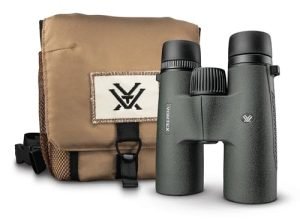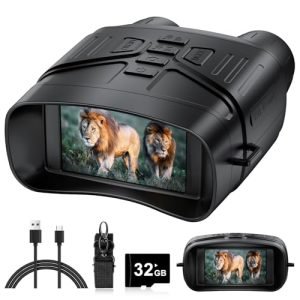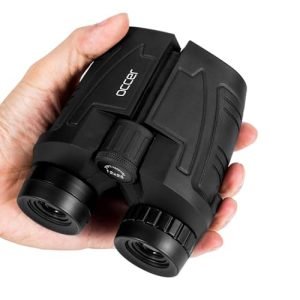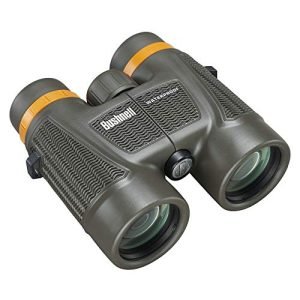
Are you tired of struggling with annoying glare every time you try to spot wildlife through your binoculars? That frustrating shine can ruin your view and make it hard to enjoy the moment.
But what if you could easily reduce or even avoid glare altogether? You’ll discover simple and effective tips to improve your wildlife watching experience. By learning how to tackle glare, you’ll see clearer images, catch more details, and feel more connected to nature than ever before.
Keep reading, and let’s make your next wildlife adventure crystal clear!

Credit: www.youtube.com
Causes Of Glare
Glare occurs when bright light reflects off the lenses, causing discomfort and reducing visibility. Sunlight, artificial lights, and reflections from water or shiny surfaces often cause glare in wildlife binoculars. Proper lens coatings and positioning can help minimize these reflections.
External Light Sources
Bright lights can cause glare in binoculars. Sunlight is the main culprit. Reflective surfaces also add to the problem. It’s important to shield the lenses. Use a cap or cover for protection. This helps reduce unwanted light.
Lens Coating Issues
Some binoculars have poor lens coatings. These coatings should reduce glare. If not, glare becomes a problem. Check the coatings before buying. Look for anti-reflective properties. Quality coatings make a big difference.
Binocular Design Factors
Binocular design affects glare. Compact designs often face this issue. Wide lenses can help minimize glare. Choose binoculars with good design. Check the lens shape and size. Proper design reduces glare effectively.
Choosing The Right Binoculars
Anti-reflective coatingsreduce glare by letting more light pass through lenses. These coatings help produce clear and bright images. Binoculars with multiple layers of coating are best to cut down reflections.
High lens quality and sizeaffect how much light enters the binoculars. Bigger lenses collect more light, making images brighter. Clear glass lenses give sharper views and reduce unwanted glare.
Eye reliefis the distance between your eyes and the binocular lenses. Proper eye relief makes viewing comfortable and reduces glare from stray light. Look for binoculars with adjustable eye relief to fit your needs.
Proper Usage Techniques
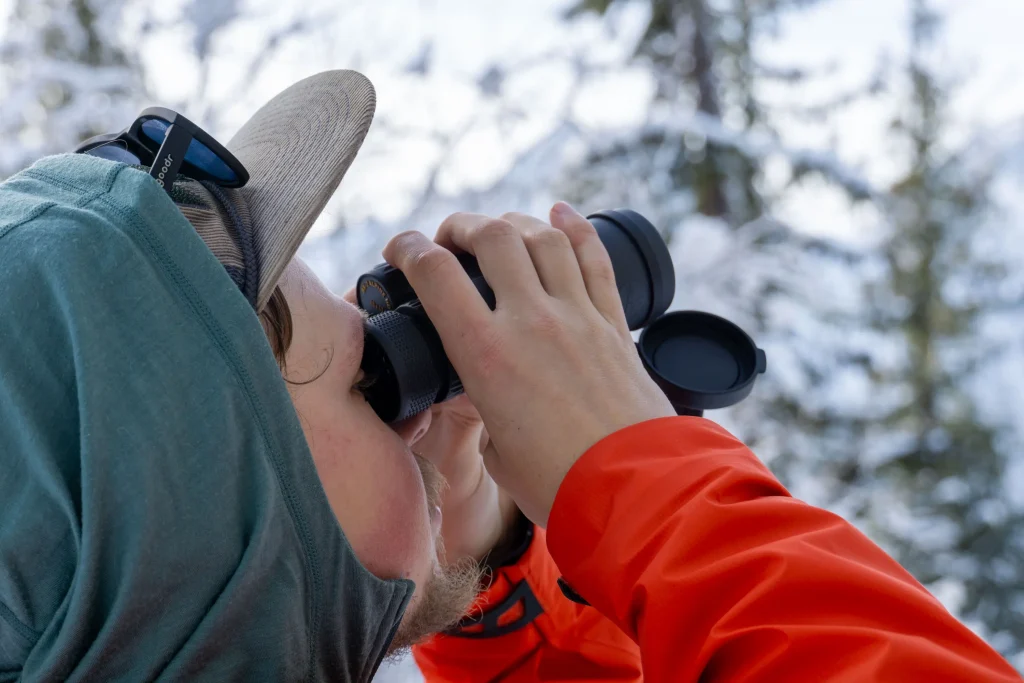
Adjust the binoculars’ angle to block light from hitting the lenses directly. Moving your body or changing your viewing position helps reduce glare. Small shifts can make a big difference.
Using lens hoods is very effective. They shade the lenses from stray light and stop reflections. Lens hoods also protect lenses from dust and scratches.
- Keep the binoculars away from direct sunlight.
- Stand with the sun behind you or to the side.
- Avoid pointing the binoculars directly at bright light sources.
Credit: www.outdoorlife.com
Maintenance Tips
Clean lenses with a soft microfiber cloth to avoid scratches. Use lens cleaning solution designed for optics. Avoid using paper towels or rough fabrics. Gently wipe in a circular motion to remove dust and smudges.
Keep lenses safe by using lens caps when not in use. Store binoculars in a padded case to protect from drops. Avoid placing binoculars face down on rough surfaces. Small scratches can cause glare and reduce image quality.
| Inspection Area | What to Check | Frequency |
|---|---|---|
| Lenses | Look for scratches or dirt | Before each use |
| Body | Check for cracks or loose parts | Monthly |
| Focus Mechanism | Ensure smooth movement | Monthly |
Additional Accessories
Polarizing filtersreduce glare by blocking reflected light. They improve image clarity and color contrast. These filters twist to adjust the amount of light passing through. Ideal for use near water or bright surfaces.
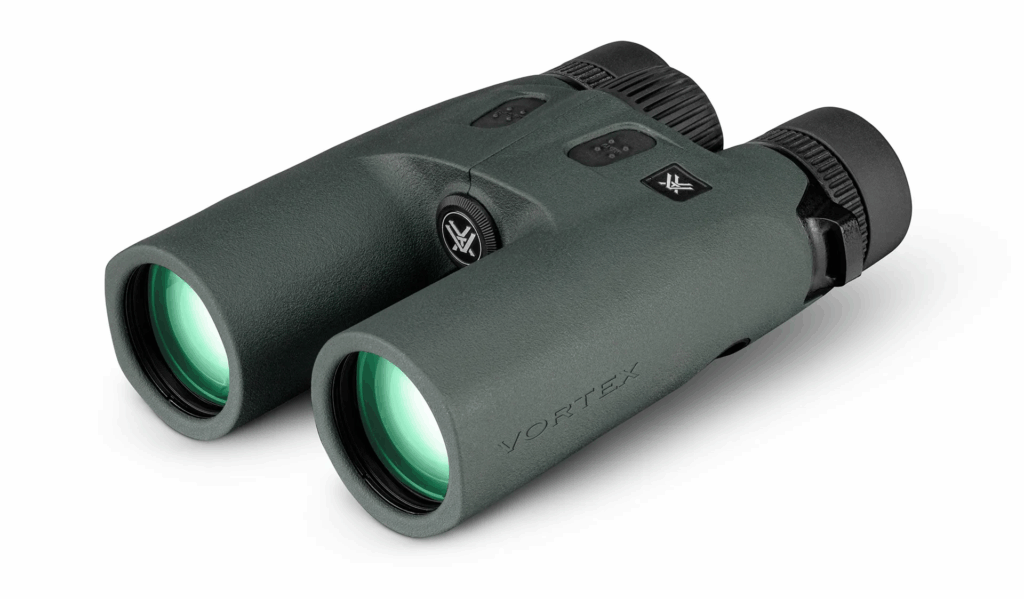
Lens caps and coversprotect binocular lenses from dust, scratches, and sunlight. Keeping lenses clean helps prevent glare. Use caps when binoculars are not in use to maintain lens quality.
Carrying casessafeguard binoculars during travel and storage. A padded case protects from bumps and keeps lenses covered. A good case helps keep binoculars safe and ready for use.
Credit: www.bestbinocularsreviews.com
Frequently Asked Questions
What Causes Glare In Wildlife Binoculars?
Glare occurs due to sunlight reflecting off lens surfaces. It reduces image clarity and causes eye strain during wildlife observation. Proper coatings and lens adjustments help minimize glare effectively.
How Do Lens Coatings Reduce Glare In Binoculars?
Lens coatings absorb or reflect unwanted light. Multi-coated lenses improve light transmission and reduce glare, enhancing image brightness and contrast. Quality coatings are essential for clear wildlife viewing.
Can Lens Hoods Help Prevent Glare?
Yes, lens hoods block direct sunlight from hitting lenses. They reduce flare and glare, providing clearer and sharper images. Using lens hoods is a simple, effective glare-reduction method.
Does Binocular Angle Affect Glare Visibility?
Yes, adjusting the binocular angle can reduce glare. Tilting lenses away from direct sunlight minimizes reflections and improves viewing comfort. Experiment with angles for optimal glare control.
Conclusion
Glare can ruin your wildlife viewing experience. Choose binoculars with good lens coatings. Use lens hoods to block direct light. Adjust your angle to avoid sunlight reflection. Keep lenses clean and scratch-free. These steps help you see animals clearly. Enjoy nature without bright, distracting glare.
Simple care makes a big difference. Try these tips for better wildlife binocular use. Your eyes will thank you.