If you love exploring wildlife, you know how important binoculars are for spotting animals from a distance. But have you ever thought about how you carry them?
Carrying your binoculars the right way can protect them from damage and make your trip more comfortable. You’ll discover simple, practical tips to keep your binoculars safe during your adventures. Read on to learn how to handle your gear like a pro and enjoy your wildlife trips without worry.
Choosing The Right Binocular Case
Choosing a sturdy binocular case protects your gear from bumps and weather during wildlife trips. A padded, water-resistant case keeps binoculars secure and easy to carry. Look for cases with straps or clips for hands-free convenience.
Hard Vs Soft Cases
Hard cases provide better protection. They keep binoculars safe from drops. Soft cases are lighter and easier to carry. They offer less protection. Consider the terrain and weather. Choose wisely based on your trip needs.
Waterproof Features
Waterproof cases keep binoculars dry. Rain can damage binoculars. Check for seals and materials. Good cases resist water and moisture. This feature is essential in wet areas. Protect your gear from unexpected weather.
Padding And Protection
Padding prevents scratches and dents. It cushions binoculars during travel. Look for thick padding inside. Ensure it covers all sides. Protection is key for long trips. Keep your binoculars safe from harm.
Using Neck Straps Correctly
Adjust the neck strap so binoculars hang at chest level. Not too tight. Not too loose. This helps keep binoculars steady and easy to reach. Proper strap length stops swinging during walking.
Comfort is key. Use padded straps to spread weight evenly on your neck. This reduces strain during long trips. Balanced weight helps you carry binoculars without pain.
- Quick release buckles let you remove binoculars fast.
- Easy to detach when climbing or moving quickly.
- Prevents damage by allowing safe storage.
Harnesses And Chest Packs
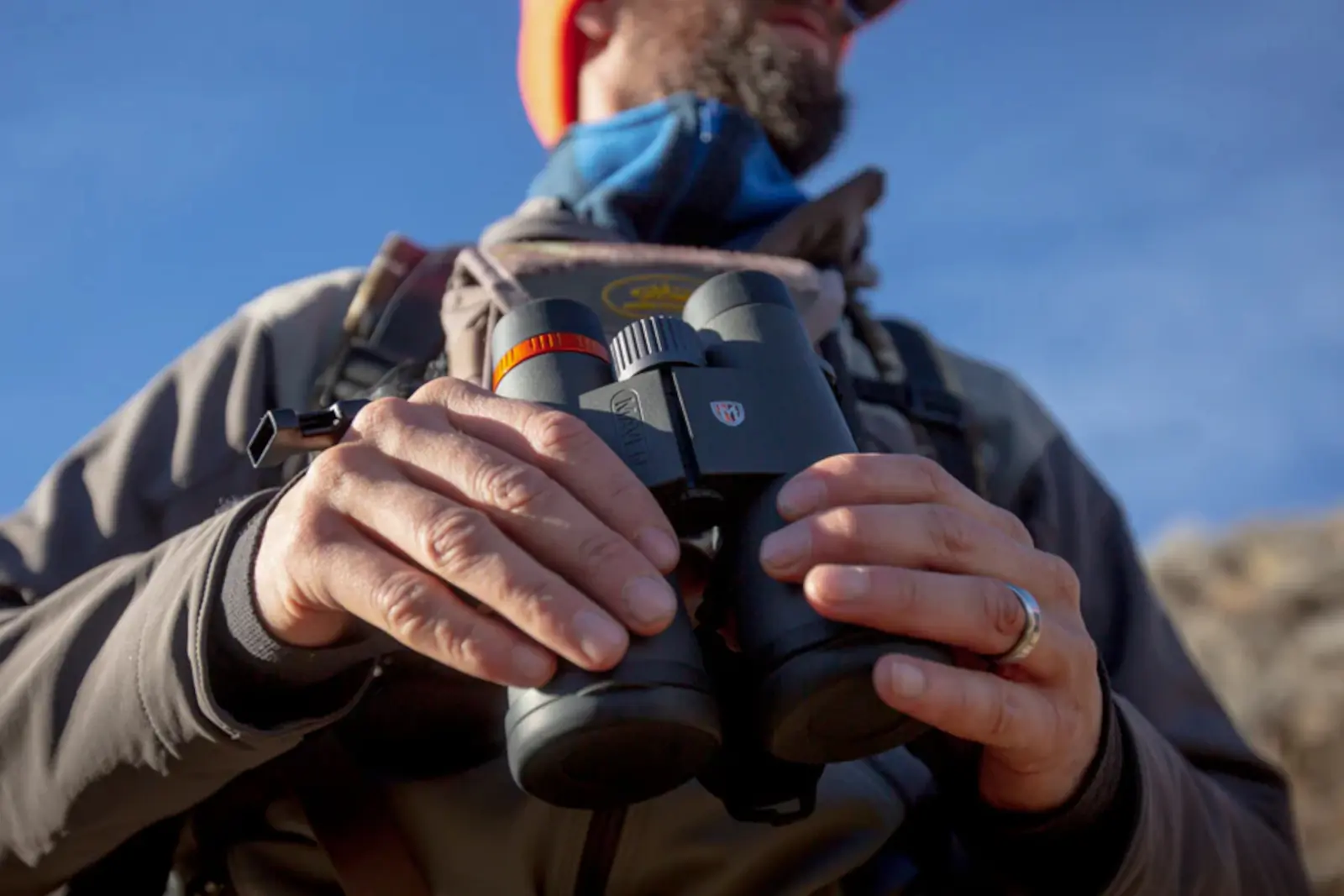
Harnesses and chest packskeep binoculars close to your body. This reduces swinging and bumping. It makes long trips easier and safer for both you and your gear.
They help spread the weight evenly across your shoulders and chest. This lowers neck and shoulder strain. You can carry binoculars for hours without pain.
| Type | Description | Best For |
|---|---|---|
| Chest Harness | Fits around your chest with straps. Holds binoculars at chest level. | Long hikes and active wildlife watching |
| Neck Harness | Straps go over shoulders and around neck. Keeps binoculars steady. | Short trips and quick access |
| Chest Pack | Combines harness with small storage pouch for accessories. | Extended trips needing extra gear |
Adjust harness straps to fit snugly but comfortably. Make sure binoculars sit at chest height. Check straps often during use. Tighten or loosen them as needed for comfort and safety.
Credit: gearjunkie.com
Storing Binoculars In Backpacks
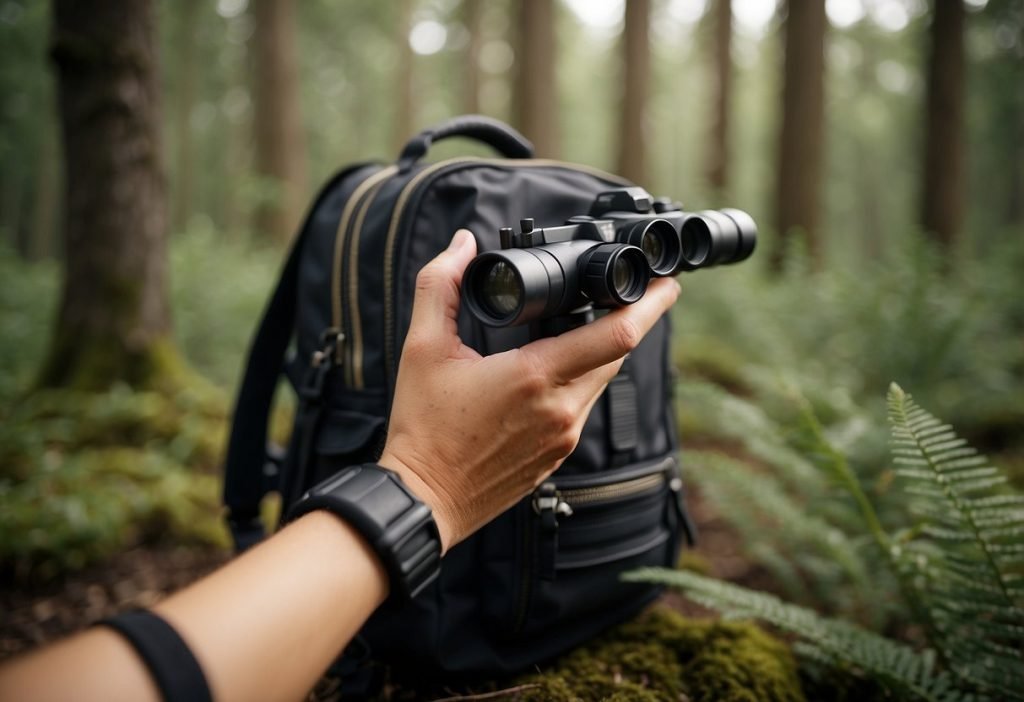
Choose a backpack with dedicated compartmentsfor binoculars. These spaces keep them separate from other items and avoid scratches. Soft padding inside helps absorb shocks during movement.
Secure the binoculars tightly to stop them from shaking or bouncing. Use straps or elastic bands inside the compartment to hold them in place. This prevents damage and keeps them ready for use.
Protect the lenses by always using lens caps or covers. Store the binoculars lens side up or in a way that avoids pressure on the lenses. Clean lenses before storing to keep them clear and scratch-free.
Maintenance During Travel
Cleaning binocular lensesis key to clear views. Use a soft brush or cloth to remove dust. Avoid touching lenses with fingers to prevent smudges.
Use a lens cleaning solution designed for optics. Gently wipe lenses in a circular motion. Always store binoculars in a dry case after cleaning.
- Keep binoculars away from moisture to prevent damage.
- Use silica gel packs in the carrying case to absorb humidity.
- Do not leave binoculars in wet or damp places.
Check binoculars regularly for loose screws or worn parts. Tighten any loose elements carefully. Test the focus and alignment before each trip.
Replace worn straps or cases to avoid accidents. Regular checks keep binoculars working well and safe.
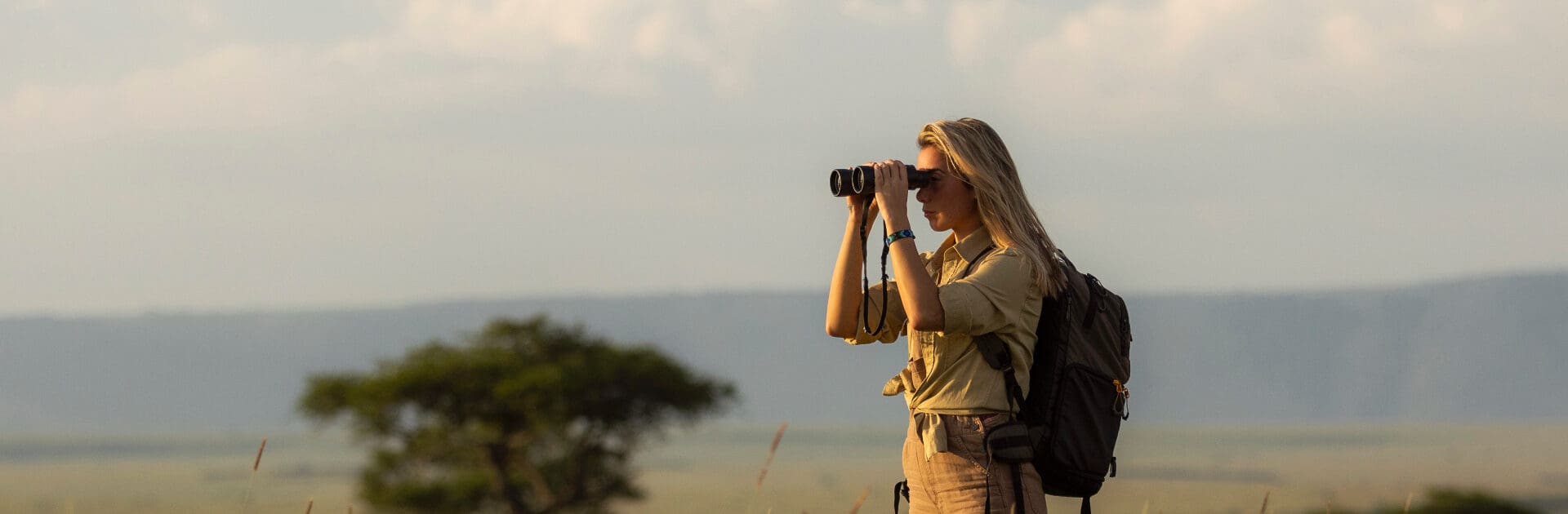
Credit: www.go2africa.com
Safety Tips In The Field
Avoid impacts and dropsby always using a padded case. Secure the binoculars with a strong strap around your neck or shoulder. Avoid holding them loosely in your hands while walking. Keep the strap tight but comfortable to prevent swinging.
Handling in rough terrainneeds extra care. Watch your steps to prevent tripping or falling. Use a chest harness to keep binoculars stable and close to your body. This reduces damage risk during climbs or uneven paths.
- Keep binoculars accessible:Use a quick-release system on your strap.
- Place binoculars where you can reach them fast without dropping anything else.
- Store them away from sharp objects or dirt to keep lenses clean.
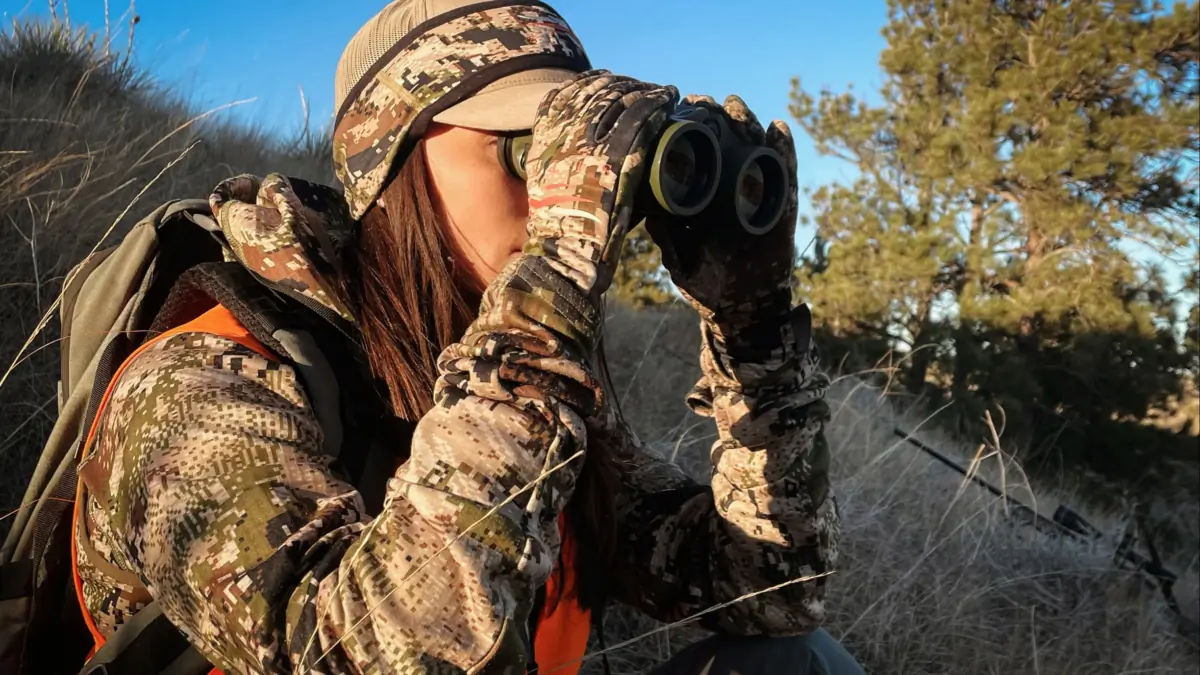
Credit: gearjunkie.com
Frequently Asked Questions
How Do I Secure Binoculars During Wildlife Trips?
Use a sturdy neck strap or harness to secure binoculars. This prevents dropping and keeps them easily accessible. Always attach the strap tightly to avoid swinging or damage while moving.
What Is The Best Way To Carry Binoculars Safely?
Carry binoculars in a protective case when not in use. Use padded cases to shield from bumps and moisture. Keeping them in a case also protects lenses from scratches and dirt.
Can I Carry Binoculars In A Backpack Safely?
Yes, store binoculars in a padded compartment of your backpack. Ensure they are snug and cushioned to avoid impact damage. Using a dedicated binocular pouch adds extra protection inside the backpack.
Should I Use A Harness Or Neck Strap For Binoculars?
A harness distributes weight evenly, reducing neck strain on long trips. Neck straps are simpler but may cause discomfort after prolonged use. Choose based on comfort and trip duration.
Conclusion
Carrying binoculars safely helps protect your gear and enhances your trip. Use a sturdy case or strap to keep them secure. Avoid swinging or dropping them during walks. Keep lenses covered to prevent scratches and dirt. Always check straps and clips before starting your trip.
Small steps make a big difference in keeping binoculars safe. Enjoy wildlife watching without worrying about your equipment. Safe carrying means more focus on nature, not on gear damage. Stay prepared and enjoy every moment outdoors.