Have you ever been out at night, ready to explore with your night vision binoculars, only to find the lenses fogging up? It’s frustrating and can ruin your experience.
But what if you could keep your view clear and sharp no matter the conditions? You’ll discover simple, effective tips to prevent fogging on your night vision binoculars. By the end, you’ll have the confidence to enjoy crystal-clear vision every time you step into the darkness.
Keep reading to make sure your night adventures stay fog-free!
Common Causes Of Fogging
Humiditycauses moisture to gather on cold lens surfaces. This happens when air with water vapor hits the cooler glass. The water vapor turns into tiny droplets, creating fog.
Temperature changesalso lead to fogging. Moving from a warm place to a cold one makes lenses cool quickly. This sudden change causes condensation.
Condensation inside the lenses happens when air trapped inside cools down. The moisture inside turns into fog and blurs vision. This is common if the binoculars are not sealed well.
- Warm air holds more moisture than cold air.
- Rapid temperature shifts increase fog risk.
- Poor sealing lets moist air enter lenses.
- High humidity areas have more fog problems.

Credit: www.usnighthawk.com
Prevention Techniques
Anti-fog coatingshelp keep lenses clear by reducing moisture buildup. These coatings create a thin layer that stops water droplets from forming. They work best in cold or humid conditions. Applying anti-fog sprays can boost this effect. Always follow product instructions for best results.
Proper storageis key to avoid fogging. Keep binoculars in a dry place away from moisture. Use a protective case with silica gel packets to absorb dampness. Avoid storing them in places with rapid temperature changes, like near windows or heaters. Let binoculars reach room temperature before use to prevent fog.
Maintenance Tips
Keep the lenses clean to avoid fogging. Use a soft, dry cloth to wipe them gently. Avoid using harsh chemicals or rough materials. Clean the lenses regularly to remove dirt and dust.
Check the seals and O-rings often. These parts stop moisture from entering the binoculars. Look for cracks or damage. Replace worn seals to keep binoculars airtight. Proper sealing helps prevent fog inside the lenses.

Credit: www.usnighthawk.com
Choosing The Right Binoculars
Choosing weather-resistant binocularshelps prevent fogging during use. These models have special seals that keep moisture out. They work well in damp or rainy weather. You can trust them to stay clear in mist or light rain.
Binoculars with built-in anti-fog featuresuse coatings on lenses. These coatings stop fog from forming inside the lenses. Some models also have nitrogen or argon gas inside. This gas reduces internal fog caused by temperature changes.
- Weather-resistant designs block water and dust.
- Anti-fog coatings keep lenses clear longer.
- Gas-filled binoculars stop internal fogging.
- These features improve night vision quality.
Effective Usage Practices
Rapid temperature changescause fogging inside night vision binoculars. Avoid moving them quickly from cold to warm places. Let the binoculars adjust to the new temperature slowly. Store them in a dry, stable environment before use.
Use binoculars in optimal conditionsto reduce fogging. Avoid very humid or rainy weather. Clear, cool nights work best. Keep lenses clean and dry before use. Wipe with a soft cloth if needed.

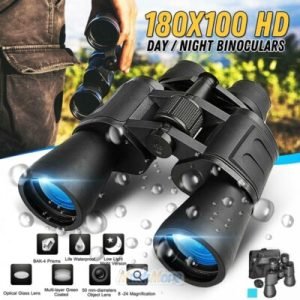
Credit: dakingnv.en.made-in-china.com
Troubleshooting Fogging Issues
Wipe the lensesgently with a clean, dry cloth to remove moisture fast. Avoid using rough materials that can scratch the glass. Keep the binoculars in a dry place after use. Use silica gel packs inside the case to absorb water.
Breathing on the lenses can cause fog. Blow air gently or use a small fan to clear it. Store binoculars in a warm room before going outside to reduce fogging risks.
| Long-term Fixes | Details |
|---|---|
| Use Anti-fog Coatings | Apply special coatings to lenses to reduce fog buildup. |
| Keep Binoculars Dry | Store in airtight containers with moisture absorbers like silica gel. |
| Maintain Proper Ventilation | Choose binoculars with vents to allow air circulation and reduce fog. |
| Avoid Sudden Temperature Changes | Let binoculars adjust slowly to outdoor temperatures to prevent condensation. |
Frequently Asked Questions
How Can I Prevent Fogging On Night Vision Binoculars?
To prevent fogging, store binoculars in a dry place and use silica gel packs. Avoid sudden temperature changes and keep lenses clean with anti-fog wipes. Proper ventilation during use also helps reduce moisture buildup.
Why Do Night Vision Binoculars Fog Up Quickly?
Fogging occurs due to temperature differences between the lens and surrounding air. Moisture condenses on the cold lens surface, causing fog. High humidity and rapid temperature changes increase this effect, especially in outdoor night conditions.
What Materials Help Reduce Fogging On Binocular Lenses?
Anti-fog coatings and hydrophobic lens treatments minimize fogging. These materials repel water and prevent condensation. Using microfiber cloths and silica gel packets also helps maintain dry lenses and clear vision during night use.
Can Storing Binoculars Properly Reduce Fogging Issues?
Yes, storing binoculars in a cool, dry place prevents moisture buildup. Use airtight cases with desiccants like silica gel to absorb humidity. Proper storage keeps lenses dry and reduces the chance of fog during night observations.
Conclusion
Avoiding fog on night vision binoculars keeps your view clear and sharp. Use anti-fog sprays or wipes before heading out. Store your binoculars in a dry place to stop moisture build-up. Keep lenses clean and dry during use. Small steps prevent big problems later.
Clear vision helps you enjoy night adventures fully. Stay prepared and protect your gear for the best experience. Simple care makes a big difference every time.