Are you tired of your eyes feeling tired and strained after using thermal binoculars? You’re not alone.
Many people experience discomfort without realizing it’s avoidable. Imagine enjoying clear, sharp views without the headache or fatigue that often comes with long use. This article will show you simple, effective ways to protect your eyes and get the most out of your thermal binoculars.
Keep reading to discover tips that will make your viewing experience comfortable and enjoyable every time.
Credit: pulsarvision.com
Understanding Eye Strain
Eye strainhappens when your eyes get tired from too much focus. Using thermal binocularsfor long times can cause this problem. The main causesinclude poor lighting, holding the binoculars too close, and not taking breaks. The eyes work hard to see clearly, which can lead to discomfort.
Common symptomsto watch for are:
- Dry or watery eyes
- Headaches around the eyes
- Blurred or double vision
- Feeling tired or heavy eyelids
- Neck or shoulder pain from poor posture
Noticing these signs early helps avoid more serious problems. Resting your eyes often reduces strain. Adjusting the binoculars for comfort also helps a lot.
Thermal Binoculars Basics
Thermal binocularsuse heat signatures to create images. They detect the warmth given off by objects, unlike regular binoculars that rely on light. This lets users see clearly in total darkness or fog.
Regular binoculars magnify visible light, so they need some light to work well. Thermal binoculars do not need any light source. They work by sensing heat differences, making them useful at night or through smoke.
- Thermal binocularsshow heat patterns instead of colors.
- They help spot animals, people, or objects hidden in the dark.
- They are often used by hunters, security, and rescue teams.
- Regular binoculars are best during daylight or good lighting.
Proper Usage Techniques
Adjust the binoculars so the eyepieces fit your eyes comfortably. This helps reduce eye strainduring use.
Set the focus slowly to get a clear view. Sharp images prevent your eyes from working too hard.
Use the binoculars in good light conditions. Bright or very dark areas can cause your eyes to tire faster.
Hold the binoculars steady with both hands. Shaky views make your eyes strain more.
- Adjust the eye distance between the two eyepieces.
- Turn the focus wheel gently until the image is sharp.
- Keep your head and body relaxed while using the binoculars.
- Take short breaks to rest your eyes every 15-20 minutes.
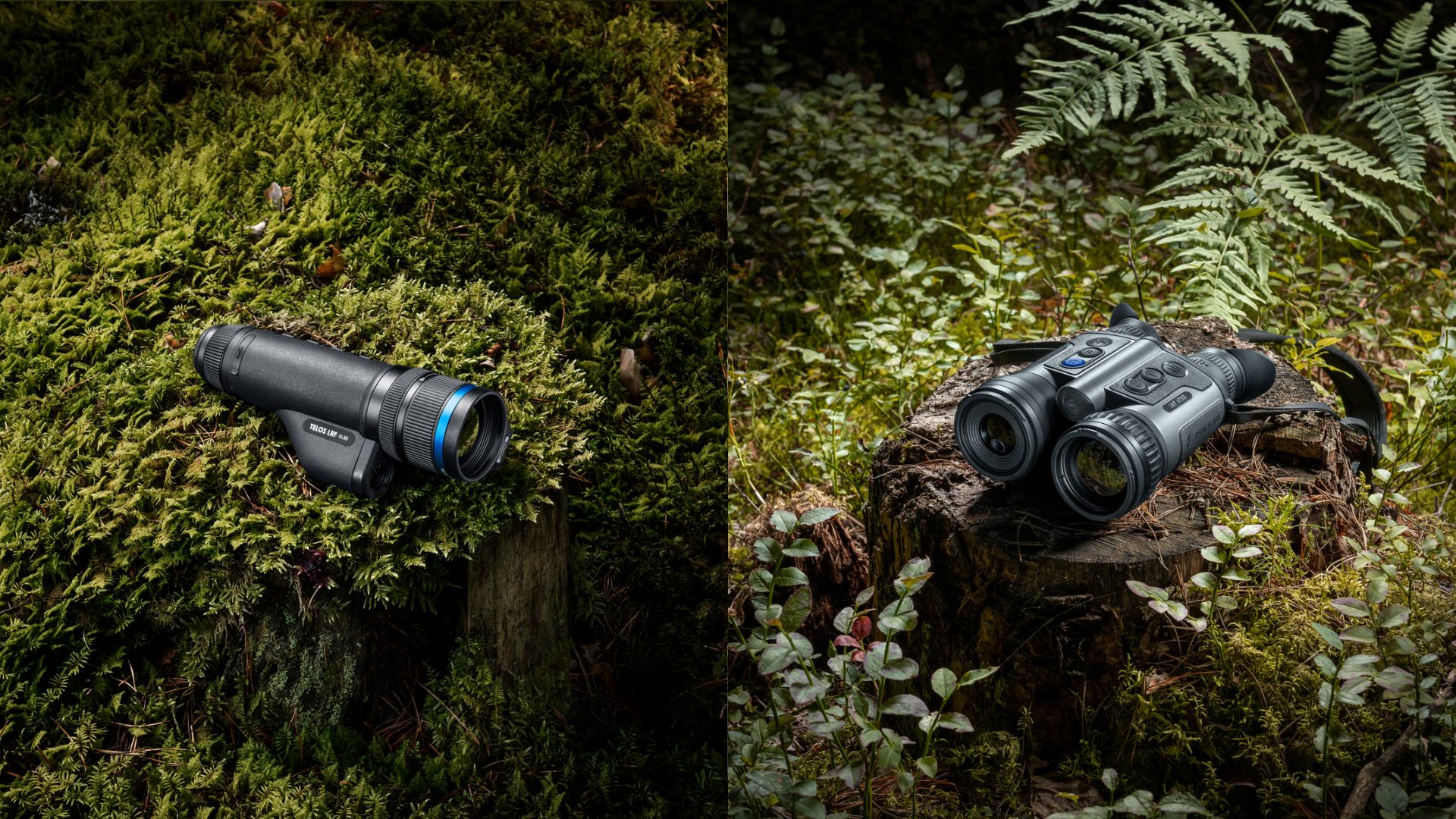
Credit: pulsarvision.com
Optimal Viewing Practices
Using thermal binoculars for long periods can cause eye strain. Limiting the viewing time helps your eyes rest. Try to use the device for short sessions. Take breaks often to avoid tired eyes.
Regular breaks are important. Every 20 minutes, look away from the binoculars. Focus on distant objects or close your eyes for a few seconds. This helps your eye muscles relax.
- Set a timer to remind you to stop and rest.
- Use the binoculars in good lighting to reduce strain.
- Adjust the focus to suit your eyes for clear images.
- Blink often to keep eyes moist.
Environmental Considerations
Bright light can cause eye strainwhen using thermal binoculars. Choose times with less sunlight, like early morning or late evening. Avoid direct sunlight or glare on the lenses. Use a sunshade or hood to block extra light.
Pick places that are quiet and shaded. Trees, bushes, or buildings can help reduce glare and improve comfort. Avoid windy spots to keep your view steady. Sitting down or using a stable surface can also help reduce fatigue.
- Use thermal binoculars in low light or shadowed areas.
- Avoid bright, open spaces with strong sunlight.
- Find calm, still locations to reduce shaking.
- Wear a hat or sunglasses to protect your eyes.
Health Tips For Binocular Users
Eye exercises help reduce strainand keep eyes healthy. Try blinking slowly to moisten eyes. Focus on a distant object for 20 seconds. Roll your eyes gently in circles to relax muscles. These simple moves ease fatigueafter long use of thermal binoculars.
Drinking plenty of water keeps eyes hydrated. Dehydration can cause drynessand discomfort. Eat foods rich in vitamins A, C, and E to support eye health. Leafy greens, carrots, and nuts are great choices. Balanced nutrition helps eyes stay strong and clear.
Expert Recommendations
Take breaksoften to rest your eyes. Use thermal binoculars for short periods. Blinking frequently helps keep eyes moist and reduces dryness. Adjust the brightness and contrastsettings to comfortable levels. Avoid using binoculars in very bright or very dark places. Keep a safe distance from the lenses to prevent eye strain.
Maintain proper postureand hold binoculars steady. Use a tripod if needed. Clean the lenses regularly to keep images clear. Wearing glasses can help if you have vision problems. Use the binoculars in a well-lit area to reduce strain. Avoid staring at the screen for long times without moving your eyes.
| Common Mistakes | Why to Avoid |
|---|---|
| Using binoculars for too long without breaks | Causes eye fatigue and discomfort |
| Not adjusting brightness and contrast | Leads to strain and headaches |
| Ignoring lens cleanliness | Blurry images force eyes to work harder |
| Poor posture while using binoculars | Results in neck and eye strain |
| Using binoculars in very dim or bright light | Makes eyes tired quickly |

Credit: www.opticscentral.com.au
Frequently Asked Questions
How Can Thermal Binoculars Cause Eye Strain?
Thermal binoculars can cause eye strain due to prolonged focus and brightness settings. Improper use may lead to discomfort and fatigue in your eyes.
What Settings Reduce Eye Strain In Thermal Binoculars?
Lowering brightness and contrast helps reduce eye strain. Adjust the focus gently and take breaks to relax your eyes during use.
How Often Should I Rest My Eyes When Using Thermal Binoculars?
It is best to rest your eyes every 20-30 minutes. Looking away or blinking frequently helps prevent eye fatigue and strain.
Can Wearing Glasses Help Prevent Eye Strain With Thermal Binoculars?
Yes, wearing prescription glasses or protective eyewear can improve comfort. Proper vision correction reduces the need for over-focusing and eye stress.
Conclusion
Using thermal binoculars should feel comfortable and clear. Take breaks often to rest your eyes. Adjust the focus and brightness to suit your needs. Hold the binoculars steady to reduce strain. Clean the lenses regularly for a sharp view. Protect your eyes by using these simple steps.
Enjoy your outdoor adventures without discomfort or pain. Your eyes will thank you for the care. Keep these tips in mind every time you use thermal binoculars.