Are you struggling to get a clear view through your surveillance binoculars? You’re not alone.
Adjusting the focus might seem tricky at first, but once you know the simple steps, you’ll see details with sharp clarity every time. Imagine catching every important moment without missing a thing because your binoculars are perfectly focused. Keep reading, and you’ll discover easy techniques to quickly adjust your focus and make your surveillance experience crystal clear.
Choosing The Right Binoculars
Choosing the right binoculars depends on several key factors. Consider the magnification power, which affects how close objects appear. Higher magnification can make images shakier. The lens diametercontrols how much light enters, impacting brightness and clarity. A larger lens performs better in low light.
Weight and size matter for comfort, especially during long use. Waterproof and fog-proof features help in wet or cold conditions. Also, check for eye reliefif you wear glasses, ensuring a clear view without strain.
| Type of Binoculars | Main Use | Pros | Cons |
|---|---|---|---|
| Porro Prism | General use, bird watching | Wide field of view, good depth | Bulkier, less compact |
| Roof Prism | Hiking, sports events | Compact, lightweight | Usually more expensive |
| Zoom Binoculars | Versatile, adjustable magnification | Flexible viewing distances | Image quality may vary |
Understanding Binocular Components
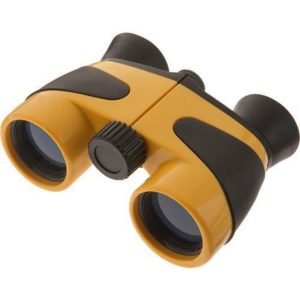
The objective lensesare the large glass parts at the front. They gather light and help form the image. The bigger the lenses, the more light they collect. This makes objects look clearer, especially in low light.
The eyepiecesare where you place your eyes. They magnify the image made by the objective lenses. The diopteris a small ring near the eyepieces. It adjusts the focus for differences between your eyes.
- Objective lenses gather light and create the image.
- Eyepieces magnify the image for clear viewing.
- Diopters help adjust focus for each eye.
- Adjusting the diopter ensures sharper images.
Initial Setup And Calibration
Adjust the interpupillary distanceby gently moving the binoculars’ barrels. This sets the space between the eyepieces to match your eyes. The goal is to see one clear, round image. If you see two images, adjust the barrels until they join into one.
Balancing the diopterhelps focus each eye separately. Close your right eye and look through the left. Turn the central focus wheel until the image is sharp. Then close your left eye and open the right. Adjust the diopter ring near the right eyepiece until the image is clear.
- Start with interpupillary distance to align eye spacing.
- Focus left eye with central wheel first.
- Use diopter ring for right eye adjustment.
- Repeat if needed for a sharp, balanced view.

Credit: zarimex.eu
Focusing Techniques
The central focus wheeladjusts both lenses at once. Turn it slowly while watching through the binoculars. Stop when the image looks clear and sharp. This wheel is usually large and easy to reach with your fingers.
Use the diopter adjustmentfor fine-tuning. It corrects differences between your eyes. First, close the eye on the side with the diopter ring. Use the central focus wheel to focus with the other eye. Then, close the other eye and turn the diopter ring until the image is sharp.
- Start with central focus wheel for main sharpness.
- Fine-tune using diopter for eye differences.
- Adjust slowly for best clarity.
- Practice focusing on objects at different distances.
Common Focus Problems
Blurred images often result from incorrect focus settings. Adjust the central focusing wheel slowly until the image sharpens. Sometimes, the eyepieces need individual adjustment for each eye. This is especially true if the binoculars have a diopter adjustment. Turn the diopter ring to match your eyesight and reduce blurriness.
Double vision occurs when each eye sees a slightly different image. Check if the binoculars are aligned properly. Small misalignments cause this problem. Gently adjust the binoculars’ hinge to fit your eye distance. This helps align both lenses correctly.
| Problem | Cause | Fix |
|---|---|---|
| Blurred Images | Incorrect focus or eyepiece settings | Adjust central focus wheel and diopter ring |
| Double Vision | Misaligned lenses or wrong eye distance | Adjust binocular hinge to fit eye distance |
Maintenance For Optimal Focus
Keeping the lenses cleanis key for clear focus. Use a soft, dry cloth to wipe dirt and dust gently. Avoid harsh chemicals that can damage the lens coating. A lens brush or air blower helps remove tiny particles without scratching.
Regularly checking your binoculars ensures they stay in good shape. Look for loose parts or damage that might affect focus. Tighten screws carefully if needed but do not force them. Store binoculars in a dry case to prevent moisture and dust buildup.
Expert Tips For Perfect Focus
Environmental factorsaffect focus quality a lot. Bright sunlight can cause glare and blur. Low light makes it harder to see details clearly. Wind can shake the binoculars, making focus tricky. Dust or fog can also reduce clarity. Find a spot with stable light and less wind for better results. Adjust focus slowly to avoid missing details.
Using tripods and stabilizershelps keep binoculars steady. They reduce hand shaking that blurs the image. Tripods hold the binoculars in place for long viewing sessions. Stabilizers absorb small movements, keeping your view sharp. This makes it easier to fine-tune focus and see distant objects clearly.

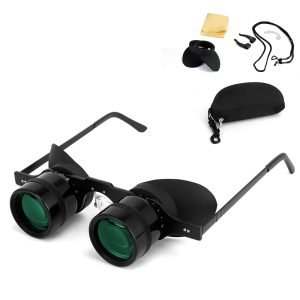
Credit: www.ebay.com
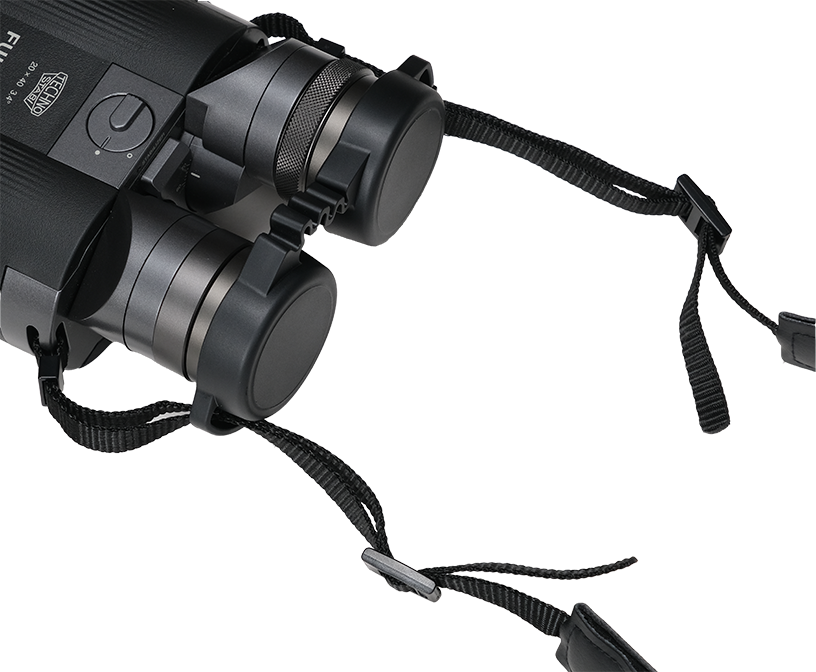
Credit: www.fujifilm.com
Frequently Asked Questions
How Do I Focus Surveillance Binoculars Quickly?
Turn the central focus wheel slowly until the image sharpens. Use the diopter adjustment for fine-tuning each eyepiece. Practice focusing on objects at various distances to improve speed and accuracy.
What Is The Diopter Adjustment On Binoculars?
The diopter adjusts focus differences between your eyes. It ensures both eyes see a clear image. Set it by closing one eye and focusing with the other, then switch.
Can I Adjust Focus For Different Lighting Conditions?
Yes, adjusting focus is essential in varying light. Bright light may require slight refocusing for clarity. Always check focus when moving from dark to bright environments.
Why Is My Binocular Image Blurry After Focusing?
Blurriness may result from improper diopter setting or incorrect focus wheel adjustment. Ensure both are correctly set for your eyesight. Clean lenses to remove smudges affecting clarity.
Conclusion
Adjusting focus on surveillance binoculars takes practice and patience. Start by setting the eyepiece to your eyesight. Then, use the central focus wheel to sharpen the image. Small changes make a big difference. Clear vision helps you spot details from far away.
Keep adjusting until the view is crisp and steady. Regular use improves your skills over time. Good focus makes surveillance easier and more effective. Remember, the right focus helps you see clearly and stay aware. Simple steps lead to better results every time you use your binoculars.