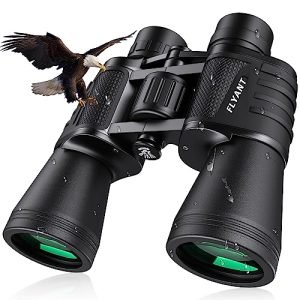
Searching for "Hawke Endurance ED eyecup problems: what owners should know" usually means one thing: your eyecups are loose, stuck, or torn. The good news is that most of these failures are mechanical, not optical. They're also often fixable at home.
We're going to walk through each issue and the fix that actually works.
Manufacturer specifications indicate the Endurance ED line uses a multi-stop twist-up eyecup with eye relief around 16 to 18mm depending on the model. Aggregate reviews report that most eyecup failures trace back to dirt, wear, or over-tightening. Hawke's lifetime no-fault warranty covers many of these issues.
We'll start with the most common symptoms.
The Problem: What's Actually Going Wrong With Your Eyecups?
Eyecups on the Endurance ED are twist-up collars. They're designed to hold one of several eye relief positions while you press them against your brow. That mechanism relies on small click detents and an internal O-ring.
When either wears out, the whole cup starts behaving badly.
Here are the failure patterns we see most often in owner feedback:
- Loose and spinning: The eyecup rotates freely and won't hold its click-stop position.
- Stuck solid: It won't twist up or down, even with firm pressure.
- Rubber torn or separated: The soft outer layer peels away from the plastic base.
- Wobble under cheek pressure: The cup shifts sideways when pressed to your face.
Each has a different cause. Each needs a different fix. That's why the first step is diagnosis, not disassembly.
Quick Answer: What Most Owners Need to Know
Most Hawke Endurance ED eyecup problems come down to three failures. Those are a loose collar, a stuck mechanism, or a torn rubber cup. You can fix all three at home in about 10 minutes.
If the mechanism is stripped, use Hawke's warranty instead. Start by figuring out which problem you have.
The Anatomy of the Hawke Endurance ED Eyecup Assembly
Before you touch anything, understand what's under the rubber sleeve. The eyecup assembly is a stack of small parts: the outer rubber cup, a plastic rotating collar, a thread ring, an O-ring, and the click-stop detents. That's really all that's in there.
If you could see a cutaway diagram, you'd notice the collar rotates around the ocular housing. The O-ring sits below the collar to keep moisture out. The click stops are small raised bumps that the collar snaps over as you twist.
Here's the part list, simplified:
| Component | What It Does | Common Failure |
|---|---|---|
| Outer rubber cup | Cushions your eye socket | Tears, peels, cracks |
| Rotating collar | Moves up and down | Free-spins, sticks |
| O-ring | Seals out moisture | Pinched, dry, flattened |
| Click-stop detents | Hold eye relief positions | Wear down, skip |
How the Twist-Up Mechanism Fails Over Time
Every time you twist the cup, the collar rubs against the ocular housing. That friction wears the detent bumps and can compress the O-ring. Dirt speeds the process up dramatically.
The result is a cup that no longer stops where you set it.
The Role of the Internal O-Ring and Click-Stops
The O-ring does two jobs. It seals the eyecup joint and creates friction that holds the collar steady. If it hardens or gets pinched, the collar can rotate too easily.
The click-stops are the bumps you feel when twisting. Once they're flattened, the cup will spin past them without locking.
Step 1: Diagnose Your Eyecup Problem
Don't take the eyecup off until you know what you're dealing with. A quick 30-second test narrows it down. Here's the logic.
- Spins freely with no clicks → worn detents or a flattened O-ring.
- Won't budge at all → grit, dried grease, or a cross-threaded collar.
- Rubber is torn or peeling → replace the rubber sleeve only.
Is It Loose (Spinning Freely, No Clicks)?
If the cup rotates smoothly and never locks into a detent, the click-stops are worn or the O-ring has lost tension. If it wobbles side to side, the thread ring below the collar is likely cracked. Either way, you're looking at a repair or replacement.
Is It Stuck (Won't Twist Up or Down)?
Try removing the rubber sleeve first. Grit or dried grease can jam the collar. If the sleeve comes off and the collar still won't move, the internal threads are probably cross-threaded or corroded.
That needs a closer look at the whole assembly.
Is the Rubber Torn, Cracked, or Separating?
Tears happen from UV exposure and repeated folding. If the rubber sleeve is peeling, you can replace just that piece. The collar underneath might be perfectly fine.
Don't assume the whole eyecup is dead.
Step 2: Fix It Yourself
Most fixes take less than 15 minutes. You need a soft cloth, warm water, mild dish soap, and optionally a tiny bit of silicone grease. No special tools and no harsh solvents.
| Tool | Purpose |
|---|---|
| Microfiber cloth | Wiping dust off threads |
| Warm water and dish soap | Cleaning greasy buildup |
| Silicone grease | Lubricating the O-ring |
| Needle-nose pliers | Only for removing a torn rubber sleeve |
If you've already used our fix for a loose monocular eyecup, this will feel familiar. The same logic applies here.
How to Remove and Clean the Eyecup Properly
Twist the eyecup counter-clockwise to unscrew it from the ocular housing. Do this slowly. Pay attention to the O-ring, which often stays behind.
Clean the threads and the O-ring with a damp cloth. Let everything dry fully before reassembly.
Re-Seating the Eyecup for a Snug Fit
Align the collar so the threads engage cleanly. Screw it clockwise by hand until it seats. Stop at hand-tight.
Over-tightening is the fastest way to strip the threads. Then twist the cup through its click-stops a few times to re-seat the mechanism.
When a Light Silicone Grease Fixes the Issue
If the cup feels gritty or stiff, apply a thin coat of silicone grease to the O-ring. Use your fingertip, not a brush. Too much grease attracts dust.
One light pass is enough to restore smooth rotation.
When You Just Need to Replace the Rubber Cup
Sometimes the collar is fine and only the rubber has failed. Use needle-nose pliers to gently pull the old sleeve off the collar. Soak the new sleeve in warm water for a minute to soften it.
Then roll it back into place. That repair is fast, cheap, and doesn't require a full eyecup replacement.
Step 3: If the Fix Doesn't Work, Warranty and Replacement Options
Not every eyecup can be saved by cleaning. Stripped threads, cracked plastic, or flattened click-stops often mean replacement. For a deeper look at what causes these failures, our separate breakdown of common eyecup causes covers it.
How Hawke's No-Fault Warranty Works for Eyecups
As of 2026, Hawke still offers a lifetime no-fault warranty on Endurance ED binoculars. That covers broken eyecups, loose collars, and torn rubber, even from normal wear. You pay nothing for the repair.
Just contact Hawke and they'll tell you where to send the binoculars. A receipt helps, but it's not always required.
Sourcing Genuine Hawke Replacement Eyecups
For a self-repair, your best bet is a genuine Hawke replacement eyecup. Check the model number on the binocular strap or body. Then search Hawke's official support pages for the right part.
Genuine parts cost less than a third of what a new binocular would run you.
Aftermarket Eyecup Options and What to Watch For
Generic twist-up eyecups from online marketplaces can work in a pinch. But the thread pitch, collar width, and click-stop spacing vary by model. A cheap mismatch can damage the ocular housing.
If you can't find Hawke parts, use the warranty route instead.
Common Mistakes to Avoid
Eyecup repairs go wrong when people force things. Slow, gentle handling works best. Here's what not to do.
Over-Tightening and Stripping Threads
The most damaging mistake is cranking the eyecup like a jar lid. Hand-tight is the limit. The plastic threads strip easily.
Once they go, no amount of cleaning will fix them.
Using the Wrong Cleaning Solvents
Avoid alcohol, acetone, and ammonia-based glass cleaners. They dry out the rubber and attack the plastic collar. Warm water and dish soap are all you need.
If your cup ever pops off completely, our guide to an eyecup that falls off shows a similar rescue path.
Ignoring Grit and Debris Before Rotating the Cup
Twisting a gritty eyecup grinds debris between the collar and housing. That accelerates wear faster than years of normal use. Blow out the crease with a rocket blower or clean it with a dry cloth before every adjustment.
Expert Tips for Long-Term Eyecup Life
A little routine care goes a long way. These habits keep the twist mechanism smooth and the rubber from cracking early.
Staying Ahead of Wear in Dusty and Humid Environments
Dust is the number one enemy of twist-up eyecups. Humid air is a close second. After a wet day in the field, dry the eyecup seam with a soft cloth.
In sandy conditions, give the seam a quick puff before collapsing the cups. That's where knowing what waterproofing actually means pays off.
Proper Storage and Handling to Protect the Ocular Housing
Store your Hawke Endurance ED with the eyecups fully extended, not collapsed. That relieves tension on the click-stops and O-ring. Keep the binoculars in a padded case with the objective caps on.
Don't hang them from the eyecups, and never use the eyecups to tug the binoculars out of a tight pack.
Real Scenario: What a Stuck Eyecup Looks Like in the Field
Picture this: you're out on a winter bird count. The temperature is around freezing, and your bins have been sitting in the car for an hour. You lift them to your eyes, and the right eyecup won't twist up.
It's not gritty. It's just frozen stiff.
The cause is cold-weather contraction of the plastic collar and rubber sleeve. The fix is to hold the eyecup in a gloved hand for a minute to warm it. Then twist gently.
Never force it. If it gives, you're done. If it doesn't, you're dealing with internal debris, not temperature.
Quick Field Inspection Without Tools
Roll the rubber sleeve down without twisting the collar. Check for grit, sand, or a displaced O-ring. If everything looks clean, try warming the cup.
If it still won't move, wait until you're home before disassembling.
When You Can Ignore It vs. When You Should Stop Using the Binoculars
If the eyecup is just loose but stays on the binocular, you can keep using it. If the rubber is torn in a way that lets debris reach the ocular lens, stop. Also stop if the eyecup wobbles so much that the image shifts when you press your eye to it.
Those are signs the ocular housing is at risk.
Frequently Asked Questions
Are Hawke Endurance ED eyecups replaceable?
Yes. The eyecup assembly screws off and can be replaced with a genuine Hawke part or, in some cases, a compatible aftermarket cup. The replacement takes about 10 minutes.
Contact Hawke if you're unsure which part matches your model.
Why do my Hawke binocular eyecups keep slipping?
Slipping usually means the click-stop detents or the internal O-ring have worn down. The O-ring creates the tension that holds the collar. Replace the O-ring or the eyecup assembly to restore a firm click.
Can I fix a loose Hawke Endurance ED eyecup without replacing it?
Sometimes. Cleaning the threads and adding a light silicone grease to the O-ring can bring back friction. But if the click-stops are gone, only a replacement will hold the cup in position.
Does Hawke warranty cover eyecup problems?
Yes. Hawke's lifetime no-fault warranty covers eyecup defects, including torn rubber and broken twist mechanisms. You don't need a proof of purchase for basic claims.
Contact their support team and they'll arrange the repair.
How do I stop dirt getting under my binocular eyecups?
Blow or brush the seam before twisting the cup. Avoid storing the binoculars with fully collapsed eyecups in dusty pouches. A compressed air blower or a soft brush works best for clearing the gap.
The Verdict: Should You Fix, Replace, or Repurpose Your Hawke Endurance ED Binoculars?
The verdict depends on one thing: whether the internal collar is undamaged. If it is, fix it. A torn rubber sleeve is a cheap replacement.
A loose collar is a 10-minute clean-and-grease job. If you've stripped the threads, though, stop trying to repair them and go straight to warranty.
If the warranty clock doesn't suit you, and the binocular is older or already been repaired once, it might be time to repurpose it. A pair of Hawke Endurance ED still makes a great car binocular or loaner optic. But if you're going to be buying another set anyway, think about whether a compact option fits your kit better.
Our guide on choosing between a pocket monocular and a full-size binocular might help. Also check what to look for in a nature-walking binocular if you'd rather not carry a heavy unit.
Step 3: If the Fix Doesn't Work, Warranty and Replacement Options
Some eyecup damage is beyond a home fix. Stripped plastic threads and cracked collars won't recover with grease. If cleaning didn't solve the problem, you have two solid paths.
How Hawke's No-Fault Warranty Works for Eyecups
Hawke's no-fault lifetime warranty covers eyecup failures. Torn rubber, broken click-stops, and collapsed collars all qualify. Contact Hawke support with your model number.
Most claims don't require a proof of purchase.
Sourcing Genuine Hawke Replacement Eyecups
For a quick self-repair, buy a genuine Hawke part. Check the model number printed on the strap. Search the official Hawke support site for the right part.
Genuine eyecups are inexpensive and drop straight into place.
Aftermarket Eyecup Options and What to Watch For
Generic eyecups look similar but the thread pitch might be wrong. A poor fit can scratch the ocular housing. Only buy aftermarket cups listed as compatible with the Endurance ED.
If you can't verify fit, the warranty route is safer.
Common Mistakes to Avoid
Eyecup repairs go wrong when things are forced. Slow and gentle handling always works better.
Over-Tightening and Stripping Threads
The plastic threads strip easily if you crank the cup. Hand-tight is the absolute limit. Once stripped, no repair will hold.
You'll need a replacement housing.
Using the Wrong Cleaning Solvents
Alcohol and ammonia-based cleaners wreck the rubber and plastic. They dry out the material and cause cracks. Stick to warm water and a drop of dish soap.
Ignoring Grit and Debris Before Rotating the Cup
Twisting a gritty cup grinds sand into the collar. That wears out the click-stops fast. Blow out the seam or wipe it clean before any adjustment.
Expert Tips for Long-Term Eyecup Life
A few simple habits keep the twist mechanism smooth and the rubber intact.
Staying Ahead of Wear in Dusty and Humid Environments
Dust is the biggest threat to twist-up eyecups. After a dusty or wet day, wipe the seam clean. Let the binoculars dry fully before collapsing the cups.
Proper Storage and Handling to Protect the Ocular Housing
Store the eyecups fully extended when not in use. That relieves tension on the O-ring and click-stops. Never hang the binoculars from the eyecups.
Also avoid pulling them out of a packed bag by the cups.
Real Scenario: What a Stuck Eyecup Looks Like in the Field
On a cold winter bird count, a stuck eyecup is a classic problem. The plastic collar contracts in low temperatures. Hold the cup in a gloved hand for a minute to warm it.
Then twist gently.
Quick Field Inspection Without Tools
Roll the rubber sleeve down and inspect the collar. Check for grit, sand, or a displaced O-ring. If everything looks clean, try warming the cup again.
When You Can Ignore It vs. When You Should Stop Using the Binoculars
Ignore a loose cup if it stays on the binocular. Stop using the binoculars if torn rubber could let debris reach the ocular lens. Stop also if the cup wobble shifts your view.
Those signs point to housing damage.
FAQs: Your Remaining Eyecup Questions Answered
Are Hawke Endurance ED eyecups replaceable?
Yes. The eyecup assembly unscrews from the housing and can be swapped for a genuine Hawke part. The whole job takes about 10 minutes with no tools beyond your hands.
If you're unsure which part fits your model, contact Hawke support first.
Why do my Hawke binocular eyecups keep slipping?
Slipping usually means the click-stop detents or the internal O-ring have worn down. The O-ring creates the friction that holds the collar in place. Replace the O-ring first.
If it doesn't fix the slip, replace the eyecup assembly entirely.
Can I fix a loose Hawke Endurance ED eyecup without replacing it?
Sometimes. Clean both thread surfaces and apply a thin coat of silicone grease to the O-ring. That restores friction if the click-stops are intact.
If the cup still spins freely after cleaning, you need a new eyecup. And note the collar itself could be worn.
Does Hawke warranty cover eyecup problems?
Yes. Hawke's lifetime no-fault warranty covers eyecup defects, including torn rubber, broken click-stops, and cracked collars. You don't need a proof of purchase for most claims.
Contact Hawke support and send the binoculars in for repair. Turnaround typically takes one to two weeks.
The Verdict: Should You Fix, Replace, or Repurpose Your Hawke Endurance ED Binoculars?
The answer comes down to the condition of the internal collar. If the threads and click-stops are intact, fix it. A torn rubber sleeve costs a few dollars.
A loose collar takes 10 minutes to clean and grease.
If the threads are stripped or the mechanism is cracked, go the warranty route. Hawke's no-fault coverage replaces the eyecup assembly for free. That's still cheaper than a new pair.
If your binocular has already been repaired once and fails again, repurpose it. Keep it as a car binocular or a loaner for guests. Then consider a different brand or model if you buy new.
A simpler, fixed-eyecup design might serve you better.
Either way, don't toss a good optical core over a $10 part. The Hawke Endurance ED glass is worth saving.