Have you ever wondered if your zoom binoculars really give you the clearest view possible? One key factor that can make a huge difference is the presence of anti-reflective coatings.
These tiny layers on the lenses can improve what you see and reduce glare, but do all zoom binoculars come with them? If you want to know how these coatings affect your viewing experience and whether your binoculars have them, keep reading.
This guide will help you understand exactly what to look for so you can enjoy sharper, brighter images every time you use your zoom binoculars.

Credit: naavagreen.com
Basics Of Zoom Binoculars
Zoom binocularsallow users to see far away objects. Their design includes adjustable lenses. These lenses change the magnification level. This feature helps in observing distant subjects. Unlike regular binoculars, they provide variable zoom options. This makes them versatile for different viewing needs. People can focus on specific details or a wider view.
How Zoom Mechanism Works
The zoom mechanism adjusts the lenses. It uses a knob or lever. Turning the knob changes the magnification. Users can see objects closer or further away. The lenses move smoothly for clear images. This movement is easy and quick. It provides a better view without changing the binoculars.
Common Uses Of Zoom Binoculars
- Birdwatching: Zoom in on distant birds.
- Sports events: Watch players from afar.
- Stargazing: View stars and planets clearly.
- Hiking: Observe nature from a distance.

Credit: explore.omsystem.com
Role Of Anti-reflective Coatings
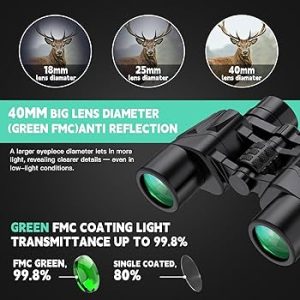
Anti-reflective coatingshelp reduce glare and light reflection on lenses. This makes the view clearer and brighter. Zoom binoculars often have these coatings to improve image quality. They allow more light to pass through the lenses, which helps in low light conditions. These coatings also protect the lenses from scratches and dust.
The main purposeof coatings on lenses is to enhance vision. They reduce the amount of light lost due to reflection. This means less eye strain and a sharper picture. The coatings help colors look more natural and improve contrast.
| Type of Coating | Description |
|---|---|
| Single-Coated | One layer of anti-reflective material. Basic glare reduction. |
| Multi-Coated | Multiple layers on some lens surfaces. Better light transmission. |
| Fully Multi-Coated | Multiple layers on all air-to-glass surfaces. Best clarity and brightness. |
Presence Of Coatings In Zoom Binoculars
Most entry-level zoom binoculars come with standard anti-reflective coatings. These coatings reduce glare and improve light transmission. They help you see clearer images in bright light or low light.
High-end zoom binoculars have advanced coatings. These may include multi-layer coatings on all air-to-glass surfaces. Such coatings increase brightness and contrast. They also reduce reflections better than standard coatings.
| Type of Binocular | Coatings | Benefits |
|---|---|---|
| Entry-Level | Standard anti-reflective coatings | Reduces glare, improves light transmission |
| High-End | Multi-layer advanced coatings | Better brightness, contrast, and less reflection |
Benefits Of Anti-reflective Coatings
Anti-reflective coatings reduce glare and improve light transmission for clearer, brighter images. Zoom binoculars with these coatings offer better viewing comfort and sharper details, especially in bright conditions. They help minimize eye strain during long use.
Improved Light Transmission
Anti-reflective coatingshelp more light pass through the lenses. This means you get a brighterand clearer view. Less light is lost due to reflection.
Enhanced Image Clarity
Images look sharper and more detailed. Colors appear more vividand natural. These coatings reduce blurriness caused by light reflections.
Reduced Glare And Reflections
Glarecan make it hard to see well. Coatings cut down on glare and unwanted reflections. This helps your eyes feel less tiredand improves comfort.
How To Identify Coated Zoom Binoculars
Check the product specifications to find if binoculars have anti-reflective coatings. Look for terms like fully multi-coatedor multi-coated lenses. These indicate layers that reduce glare and improve image quality.
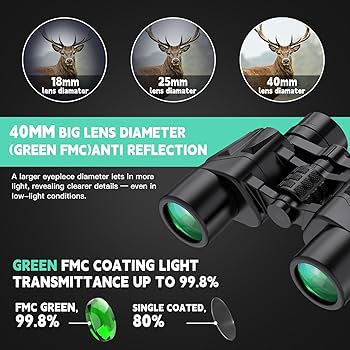
Some specs use abbreviations such as FMC(Fully Multi-Coated). This means all air-to-glass surfaces have coatings. Single coated means only one layer is applied, which is less effective.
- Search for words like anti-reflectiveor coated lenses
- Note if the binoculars mention multi-coatedor fully multi-coated
- Look for coating details in product descriptions or manuals
For visual inspection, check the lens color. Coated lenses often have a green, blue, or purple tint. This tint shows the presence of coatings. Uncoated lenses look clear or slightly gray.
Hold binoculars against light and observe reflections. Coated lenses reflect less light and glare. This helps in seeing clearer and brighter images outdoors.
Care And Maintenance Tips
Cleaning coated lenses needs care to avoid damage. Use a soft brush or air blower to remove dust first. Avoid touching lenses with fingers to prevent smudges. A microfiber cloth gently wipes the surface without scratching. Use lens cleaner made for coated glass only. Never use household cleaners or tissues. These can harm the anti-reflective coatingsand reduce clarity.
Protect coatings during use by keeping binoculars in a case. Avoid dropping or rubbing lenses against hard surfaces. Store binoculars in a dry, cool place to prevent moisture damage. Use lens caps when not in use to shield from dirt and scratches. Avoid touching lenses directly and keep them away from harsh chemicals and heat.

Credit: zarimex.eu
Frequently Asked Questions
Do Zoom Binoculars Typically Have Anti-reflective Coatings?
Most zoom binoculars include anti-reflective coatings to reduce glare. These coatings enhance light transmission and improve image clarity, especially in bright conditions. Higher-quality models often have multi-layer coatings for better performance and sharper views.
How Do Anti-reflective Coatings Improve Binocular Performance?
Anti-reflective coatings minimize light reflection on lens surfaces. This increases brightness, contrast, and sharpness of the viewed image. They also reduce eye strain by preventing glare, making binoculars more comfortable to use for extended periods.
Are All Zoom Binocular Coatings Equally Effective?
No, coating quality varies between models. Basic coatings reduce some reflections, while premium multi-layer coatings offer superior clarity. Investing in binoculars with high-quality coatings ensures better viewing experiences, especially in challenging lighting conditions.
Can Anti-reflective Coatings Protect Binocular Lenses?
Yes, these coatings can provide some protection against scratches and dirt. They also make lenses easier to clean and maintain. However, proper care and storage are still essential to prolong binocular lifespan.
Conclusion
Zoom binoculars often include anti-reflective coatings to improve vision. These coatings reduce glare and enhance image clarity. Clearer views make outdoor activities more enjoyable. Not all models have these coatings, so check before buying. They help in bright sunlight and low light conditions.
Anti-reflective coatings protect your eyes from harsh reflections. Choosing binoculars with these features leads to better experiences. Remember, good optics matter for sharp and bright images. Always consider coatings when selecting zoom binoculars. Your viewing comfort depends on these simple details.