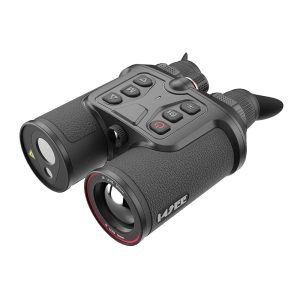

If you own night vision binoculars, you know how important clear, sharp images are when using them in the dark. But over time, dirt, dust, and smudges can build up on your infrared lenses, making your view blurry and less effective.
You might be wondering how to clean these delicate lenses without causing damage. This guide will show you simple, safe steps to keep your infrared lenses spotless and your night vision binoculars performing at their best. Keep reading to discover how easy it is to protect your gear and enjoy crystal-clear night vision every time you use it.
Choosing The Right Cleaning Tools
Choosing soft, lint-free cloths and gentle cleaning solutions protects infrared lenses from scratches. Avoid harsh chemicals to keep night vision binoculars clear and functional. Proper tools ensure safe and effective cleaning every time.
Soft Microfiber Cloths
Microfiber cloths are perfect for cleaning lenses. They are soft and gentle. These cloths won’t scratch the lens. Keep the cloth clean and dry. Avoid using dirty or wet cloths.
Lens Cleaning Solutions
Use a lens cleaning solution for stubborn dirt. Make sure the solution is safe for lenses. Apply a small amount to the microfiber cloth. Avoid spraying directly on the lens. Gently wipe the lens with the damp cloth.
Avoiding Harsh Materials
- Never use paper towels. They can scratch the lens.
- Steer clear of cleaning chemicals. They may damage the lens.
- Do not use abrasive sponges. They can harm the lens surface.
Preparing Your Night Vision Binoculars
Turn off your night vision binoculars before cleaning. This prevents damageto the lenses and electronics. Remove the batteries if possible to ensure no power is flowing.
Use a soft brush or air blower to gently remove dust and debris. Avoid touching the lenses with fingers to keep them clean and scratch-free.
- Find a clean, dust-free area to work in.
- Lay a soft cloth or towel on the surface to protect the binoculars.
- Good lighting helps spot dirt and smudges easily.
Step-by-step Cleaning Process
Begin by gently blowing dust off the lens with a soft brush or air blower. Use a microfiber cloth and special lens cleaner to wipe the surface carefully. Avoid harsh chemicals and apply light pressure to prevent scratches.
Gentle Dust Removal
Start by using a soft brush or air blower to remove loose dust. Avoid touching the lens with fingers. Use gentle strokes to keep the lens safe. This prevents scratches and damage.
Applying Lens Cleaner Correctly
Use a cleaner made for optics only. Apply a small amount of cleaner to a microfiber cloth. Never put cleaner directly on the lens. This helps avoid liquid getting inside the binoculars.
Wiping Techniques For Clarity
- Use a clean, soft microfiber cloth.
- Wipe in a circular motion starting from the center.
- Do not press too hard on the lens surface.
- Repeat gently until the lens is clear and free of smudges.

Credit: manuals.plus
Preventing Damage During Cleaning
Avoid excess moistureto protect your infrared lenses. Use a soft, dry cloth for cleaning. Never pour water or cleaning liquid directly on lenses. Moisture can damage lens coatings and internal parts.
Protect coatingsby using only lens-safe cleaners. Harsh chemicals can scratch or remove coatings. Use gentle circular motions with a microfiber cloth for best results. Always check the cleaner’s label for lens compatibility.
Handle infrared sensors carefully.These sensors are sensitive to pressure and dust. Avoid touching sensors with fingers or hard objects. Store binoculars in a padded case to prevent damage during transport.
Maintaining Lens Quality Over Time
Keeping a regular cleaning schedulehelps your infrared lenses stay clear. Use a soft, dry cloth to wipe the lenses gently. Avoid rough materials that can scratch the surface. Clean lenses before and after each use to prevent dust buildup.
Proper storage protects lenses from damage. Store binoculars in a cool, dry place. Avoid direct sunlight and moisture. Keep them in a sturdy case to prevent bumps and scratches.
Using protective coversadds extra safety. Covers shield lenses from dust, dirt, and scratches when not in use. Always cover the lenses before storing or carrying the binoculars.
Credit: www.usnighthawk.com
Troubleshooting Common Issues
Removing stubborn smudgesrequires gentle care. Use a soft microfiber cloth to wipe lenses softly. Avoid rough materials that can scratch the surface. Apply a small amount of lens cleaner or distilled water on the cloth, never directly on the lens. Rub in small circles for best results. Persistent smudges may need repeated gentle cleaning.
Dealing with scratchesneeds caution. Light scratches can sometimes be reduced with special lens polish, but deep scratches may damage night vision performance. Avoid using abrasive cleaners or rough cloths. Always handle lenses carefully to prevent scratches during cleaning or storage.
When to seek professional help: If lenses have deep scratches, cracks, or internal damage, professional repair is best. Do not attempt to open or fix internal parts yourself. Experts have the right tools to clean or replace damaged lenses safely. Prompt professional care can extend the life of your binoculars.

Credit: www.usnighthawk.com
Frequently Asked Questions
How Do I Safely Clean Infrared Lenses?
Use a soft microfiber cloth and lens cleaning solution. Avoid harsh chemicals to prevent lens damage. Gently wipe in a circular motion for best results.
Can I Use Water To Clean Night Vision Lenses?
It’s best to avoid plain water. Use specialized lens cleaning fluid to remove dirt without harming coatings on infrared lenses.
How Often Should I Clean Night Vision Binocular Lenses?
Clean lenses only when visibly dirty or smudged. Frequent cleaning can wear protective coatings. Regularly inspect lenses for dust or debris.
What Tools Are Best For Cleaning Infrared Lenses?
Use a microfiber cloth, lens brush, and lens cleaning solution. Avoid paper towels or tissues as they can scratch delicate surfaces.
Conclusion
Cleaning infrared lenses on night vision binoculars keeps your view clear and sharp. Use soft cloths and gentle cleaners to avoid damage. Clean lenses regularly to maintain the best performance. Always handle your binoculars with care during cleaning. Clear lenses help you see better in low light.
Following these simple steps saves money on repairs. Keep your night vision gear ready for any adventure. Clean lenses mean clearer images and safer use. Small efforts make a big difference in lens care. Stay safe and enjoy your night vision binoculars fully.