Have you ever wondered if binoculars can help you see better inside an indoor gymnasium? Whether you’re trying to catch every detail of a fast-paced basketball game or want a closer look at a gymnastics routine, you might be curious if binoculars actually work in these indoor spaces.
You’re not alone—many people ask this question but aren’t sure what to expect. Keep reading, and you’ll discover how binoculars perform indoors, what factors affect their use, and tips to get the best viewing experience. This could change the way you watch sports and events inside gymnasiums forever.
Credit: oberwerk.com
Binocular Basics
Binoculars help you see distant objects clearly. They are often used outdoors. But can they work well inside indoor gymnasiums?
Understanding how binoculars work and the types available can help you decide if they suit indoor use.
How Binoculars Work
Binoculars use lenses and prisms to magnify distant objects. Light passes through the lenses and is bent to make the image larger. Prisms flip the image so it appears correctly to your eyes.
- Objective lenses gather light and create the image.
- Eyepiece lenses magnify the image for viewing.
- Prisms correct the image orientation.
- Focus adjustments sharpen the image.
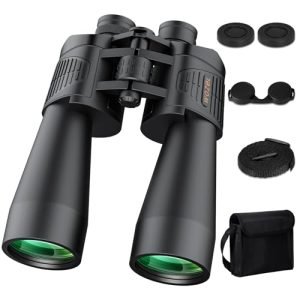
Types Of Binoculars
Different binoculars suit different purposes. Some work better indoors, while others are made for outdoor use.
| Type | Description | Best Use |
| Porro Prism | Classic design with offset tubes | General use, indoors and outdoors |
| Roof Prism | Straight tubes, compact shape | Outdoor activities, easy to carry |
| Compact | Small and lightweight | Casual viewing, travel |
| Zoom | Variable magnification | Versatile, but less sharp |
| Low Light | Large lenses for more light | Indoor gyms, dusk or dark places |

Credit: www.shopabunda.com
Indoor Gym Lighting
Binoculars can help you see distant objects clearly. Indoor gyms have different lighting than outdoors. This affects how well binoculars work inside.
Gym lights are usually bright but may cause glare or shadows. Understanding gym lighting helps explain binocular performance indoors.
Light Conditions In Gymnasiums
Gyms use artificial lights like LEDs or fluorescent bulbs. These lights are fixed on ceilings and walls. They create even lighting for sports and activities.
Sometimes, natural light enters through windows. This adds brightness but can cause glare or uneven light patches. Light color temperature also affects visibility.
- Artificial lights are usually cool white or daylight color.
- Light levels vary from 300 to 750 lux in gyms.
- Windows add natural light but can cause reflections.
- Shadows may form near equipment or walls.
Impact On Visibility
Good lighting helps binoculars show clear images indoors. Bright, even light reduces blur and eye strain. Dim or uneven light can make images look dull.
Glare from shiny floors or windows can interfere with seeing details. Shadows may hide parts of the scene. Binoculars need enough light to focus well inside gyms.
- Bright light improves image sharpness through binoculars.
- Glare may cause reflections that reduce clarity.
- Shadows hide objects and reduce contrast.
- Low light makes it harder for binocular lenses to gather details.
Using Binoculars Indoors
Binoculars are often used outdoors, but they can also help in indoor spaces. Gymnasiums are large and wide, which can make seeing details hard.
Using binoculars inside a gym can improve your view of distant objects. Still, some issues come with indoor use that you need to consider.
Challenges In Gym Settings
Indoor gymnasiums have special challenges for binocular use. Lighting, space, and distance all affect how well binoculars work.
- Lighting is often artificial and less bright than sunlight.
- Glare from shiny floors or walls can blur the view.
- Distances inside gyms are shorter but can still be tricky.
- Movement and noise might distract your focus.
- Binoculars with too much zoom may be hard to hold steady indoors.
Adjusting For Indoor Use
To use binoculars well indoors, adjust settings and choose the right type. Here are some tips for indoor use.
| Tip | Reason |
| Use binoculars with wide lenses | Capture more light in dim settings |
| Choose lower magnification | Keep images steady without shaking |
| Adjust focus slowly | Help eyes adapt to indoor lighting |
| Practice holding binoculars steady | Reduce blur from hand movement |
| Avoid pointing at bright lights | Prevent glare and eye strain |
Best Binocular Features For Gyms
Using binoculars in indoor gymnasiums can help you see activities from a distance. Choosing the right binoculars improves your viewing experience.
Some features matter more for gyms than others. This guide explains what to look for in binoculars for indoor sports.
Magnification And Lens Size
Magnification tells you how much closer objects appear. Too high magnification makes the image shaky and hard to see.
Lens size affects how much light enters the binoculars. Bigger lenses let in more light, which is good for dim gym lighting.
- Choose magnification between 6x and 10x for indoor gyms
- Lens size around 25mm to 32mm works well indoors
- Balance magnification with lens size for clear images
Field Of View And Image Clarity
Field of view means how wide an area you can see through the binoculars. Wide fields help you watch fast movements in gyms.
Image clarity is about sharp and clear pictures. Good optics reduce blurriness and make details easy to spot.
- Look for a field of view around 300 to 400 feet at 1000 yards
- Choose binoculars with coated lenses for better clarity
- Check for low distortion and good color balance
Practical Tips For Gym Use
Using binoculars in an indoor gym can be tricky. The lighting and space differ from outdoor settings. This guide offers simple tips to improve your experience.
Focus on positioning and comfort to get clear views. Also, protect your eyes from strain during use.
Positioning And Stability
Keep binoculars steady to avoid blurry images. Use a stable stance and rest your arms on a solid surface if possible.
- Stand with feet shoulder-width apart for balance
- Hold binoculars close to your face to reduce shaking
- Use a tripod or support if available
- Adjust your position to avoid glare from gym lights
Avoiding Eye Strain
Indoor gym lighting can cause eye fatigue when using binoculars. Follow these tips to keep your eyes comfortable.
| Tip | Reason |
| Take breaks every 10 minutes | Rest your eye muscles to prevent strain |
| Adjust the focus slowly | Reduce sudden changes that tire your eyes |
| Use binoculars with adjustable eye relief | Fit them well to avoid discomfort |
| Keep your eyes moist | Prevent dryness from indoor air |
Alternatives To Binoculars Indoors
Using binoculars in indoor gymnasiums can be tricky. The lighting and space affect how well they work.
Here are two good options to help see clearly in indoor sports or events without relying on binoculars.
Spotting Scopes
Spotting scopes offer stronger magnification and better clarity than binoculars. They are often used for bird watching or target shooting but work well indoors too.
- Provide a steady view with a tripod
- Have adjustable zoom for different distances
- Work well in low light conditions
- Can be bulky to carry around
Digital Zoom Devices
Digital zoom devices use cameras and screens to enlarge distant objects. They can be handy indoors where lighting varies.
| Feature | Benefit | Consideration |
| Zoom Range | Flexible viewing distances | Quality depends on sensor |
| Image Stabilization | Reduces blur from movement | May drain battery faster |
| Display Screen | Easy to see details | Screen size affects comfort |
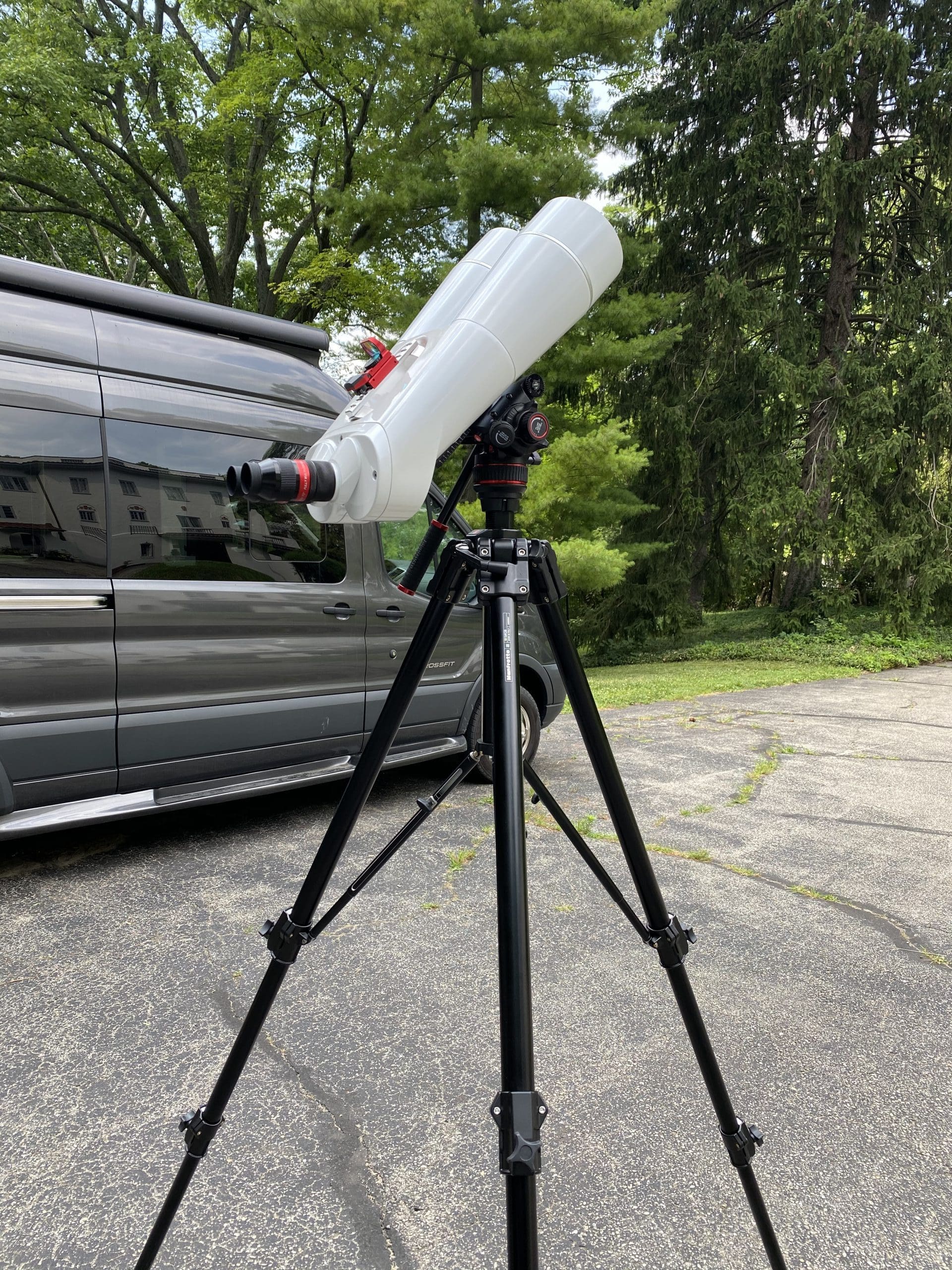
Credit: oberwerk.com
Frequently Asked Questions
Do Binoculars Work Well In Indoor Gymnasiums?
Yes, binoculars can work indoors but light conditions matter. Gymnasiums often have bright artificial lighting, which helps binoculars perform adequately. However, low light or glare might reduce clarity and sharpness.
What Type Of Binoculars Suits Indoor Gym Use?
Compact binoculars with larger objective lenses (around 30-40mm) suit indoor gyms. They gather more light, improving image brightness and clarity in artificial lighting conditions.
Can Binoculars Enhance Viewing Sports In Gymnasiums?
Yes, binoculars can enhance viewing distant sports action. They help spectators see details clearly, especially from far seats, improving the overall gymnasium viewing experience.
Are There Any Limitations Using Binoculars Indoors?
Yes, indoor lighting and reflections can reduce image quality. Limited light and shiny surfaces in gymnasiums may cause glare or blur, affecting binocular performance.
Conclusion
Binoculars can work inside gymnasiums but with some limits. Lighting and distance affect how clear the view is. Smaller, wide-angle binoculars work best indoors. They help you see details far away, like players or signs. Remember, they do not replace being close to the action.
Use them as a tool to enhance your experience. Choose binoculars that fit the indoor setting well. That way, you get better views without strain or blur. Overall, binoculars can add fun to gym events if chosen wisely.