Have you ever wondered if thermal binoculars can help you spot people hiding behind thick bushes? If you’re curious about how these devices work and whether they can reveal what’s hidden in dense foliage, you’re in the right place.
Understanding the true power—and limits—of thermal binoculars could change the way you approach outdoor activities, security, or wildlife observation. Keep reading to discover how thermal technology interacts with nature and find out if it can really see through the leaves to detect people nearby.
How Thermal Binoculars Work
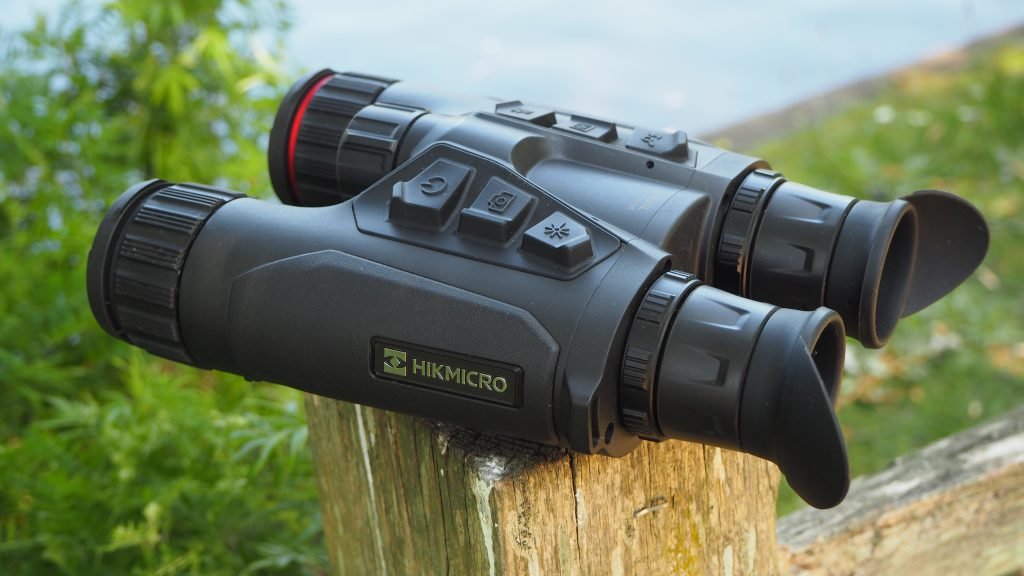
Thermal binoculars detect heat emitted by objects, making warm bodies visible in darkness. They can often see people through thin bushes by highlighting body heat, but thick foliage may block the view. This heat detection helps identify hidden people nearby.
Basics Of Thermal Imaging
Thermal imaging uses infrared lightto see heat. It helps to see in the dark. Infrared light is invisible to human eyes. Thermal binoculars detect this light and show images. They help to see living things at night. Bushes and trees do not stop infrared light. This makes thermal binoculars useful in forests.
Heat Signatures And Detection
All objects give off heat. People and animals have strong heat signatures. Thermal binoculars pick up these signatures. They can see through bushes and trees. The binoculars show images based on heat. Warm objects appear bright. Cooler objects look dark. This helps to spot people hidden in bushes. Thermal binoculars are great for search and rescue missions.
Thermal Binoculars And Vegetation
Thermal binoculars detect heat, not shapes or colors. Dense bushes block heat signals. Thick leaves and branches stop thermal waves from reaching the viewer. This means people hiding behind dense bushes may not show clearly. Thin or sparse bushes allow some heat to pass through.
Thermal devices work best with clear line of sight. Heat signals weaken as they pass through vegetation. The denser the bush, the weaker the heat signal. Small gaps in bushes help thermal binoculars detect warm bodies.
| Factor | Effect on Thermal Detection |
|---|---|
| Bush Density | High density blocks thermal waves; detection is poor |
| Vegetation Type | Leaves and branches absorb heat signals |
| Thermal Penetration | Limited to thin or sparse vegetation |
| Distance | Long distance reduces heat signal strength |
Factors Affecting Detection Through Bushes
Type of foliagematters a lot. Thick leaves block heat signatures more than thin leaves. Dry bushes show less heat than wet ones. Dense bushes can hide people better from thermal views.
Environmental conditionsaffect detection too. Hot days make it hard to see people’s heat. Cold nights help thermal devices spot warm bodies easier. Rain, fog, and wind can blur or weaken thermal images.
Distance and resolutionare key factors. The farther away a person is, the harder to detect. High resolution helps see small heat details through bushes. Low resolution might miss heat spots behind leaves.
Credit: www.usnighthawk.com
Real-world Performance
Thermal binoculars can spot heat signatures through light foliage but struggle with thick bushes. Dense leaves block much of the heat, reducing detection accuracy. Real-world use shows they work best in open or lightly covered areas.
Case Studies And Examples
Thermal binocularscan detect heat signatures through light foliage. Thick bushes often block clear views. Small branches and leaves reduce detection range. People hidden behind dense bushes might be harder to spot. Tests show better detection in dry, sparse bushes. Wet or dense leaves absorb heat and reduce visibility.
In some cases, thermal devices spot movement but lack detail. Shapes and heat patterns help identify humans. Distance and weather conditions affect results. Cooler environments improve thermal contrast. Warmer surroundings make detection more challenging.
Common Misconceptions
- Thermal binoculars see through solid objects – false.
- They detect heat, not images behind walls or dense bushes.
- Thermals do not work like X-rays or night vision.
- Heat from people can be blocked or scattered by thick plants.
- They help spot heat sources but not clear shapes through obstacles.
Enhancing Detection Capabilities
Thermal binocularshave improved a lot over time. They detect heat from people and animals. But thick bushes can block some heat signals. Newer models use better sensors to see through light cover.
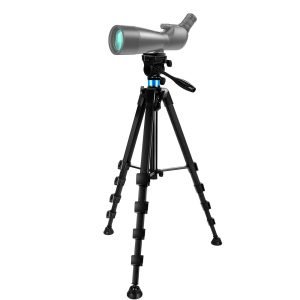
Combining thermal binoculars with other tools helps a lot. Spotting scopes and night vision devices add more views. Using multiple tools together gives a clearer picture in dense areas.
| Technology Improvements | Complementary Tools |
|---|---|
| Higher resolution sensors | Spotting scopes for zoom |
| Better image processing | Night vision goggles |
| Improved heat detection | Motion sensors |

Credit: www.rixoptics.com

Credit: www.petersenshunting.com
Frequently Asked Questions
Can Thermal Binoculars See Through Dense Bushes?
Thermal binoculars detect heat, not physical objects. Dense bushes block heat signatures, limiting their ability to see through thick foliage. They work best in areas with minimal obstructions and can detect heat sources behind light vegetation but struggle with dense leaves or branches.
How Effective Are Thermal Binoculars At Night?
Thermal binoculars are highly effective at night. They detect infrared radiation emitted by warm objects, allowing clear vision in total darkness. This makes them ideal for night surveillance, wildlife observation, and search and rescue operations where visibility is otherwise limited.
Do Thermal Binoculars Work In All Weather Conditions?
Thermal binoculars generally work well in fog, smoke, and light rain. However, heavy rain or snow can reduce their effectiveness by blocking heat signatures. Their performance depends on the weather intensity and the environment’s thermal contrast.
Can Thermal Binoculars Distinguish Humans From Animals?
Yes, thermal binoculars can differentiate humans from animals based on heat signatures. Humans typically emit a distinct heat pattern, which helps users identify people versus wildlife. However, accuracy depends on distance, environment, and the device’s resolution.
Conclusion
Thermal binoculars can detect heat signatures through light cover. Thick bushes block most thermal signals, making detection hard. People hidden deep in dense foliage may not show clearly. These devices work best in open or thinly covered areas. They help spot movement by sensing body heat differences.
Using thermal binoculars improves safety and awareness outdoors. Remember, no tool guarantees perfect vision through all obstacles. Understanding their limits helps set realistic expectations. Choose the right equipment for your specific needs. Thermal binoculars offer useful help but are not magic.