Are you looking for a simple way to keep an eye on your property without investing in expensive equipment? You might wonder if binoculars could be a good replacement for CCTV cameras.
It sounds easy—just grab your binoculars and watch from a distance. But can they really match what CCTV offers when it comes to security and peace of mind? You’ll discover the real strengths and limits of binoculars compared to CCTV systems.
By the end, you’ll know exactly which option fits your needs and keeps your space safer. Keep reading to find out!
Binoculars In Surveillance
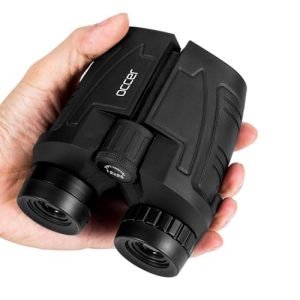
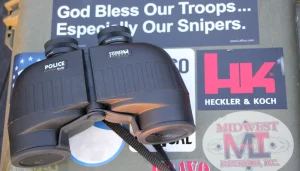
Binoculars are tools used to see distant objects more clearly. People often use them for watching wildlife or sports events. Some also use binoculars for surveillance.
Surveillance means watching a place or person carefully. Many ask if binoculars can replace CCTV cameras for this job. Both have their uses and limits.
Types And Features
There are many types of binoculars for different needs. Some have simple lenses, and others have special features for better viewing.
- Standard binoculars: Basic lenses for clear viewing up close or far away
- Night vision binoculars: Use infrared to see in the dark
- Zoom binoculars: Allow changing magnification to see near or far
- Image-stabilized binoculars: Reduce shaking for steady views
- Waterproof binoculars: Work well in rainy or wet conditions
Advantages In Field Use
Binoculars are easy to carry and use in many places. They do not need electricity or internet to work. You can quickly look around without setting up equipment.
- Portable and lightweight for fast use
- No power source needed
- Instant viewing without setup
- Good for moving or changing locations
- Can see small details at a distance
Limitations To Consider
Binoculars have some limits for surveillance tasks. They need a person to hold and watch through them. You cannot record or save what you see without extra tools.
- Require constant user attention
- No built-in recording or storage
- Limited field of view compared to CCTV
- Can be tiring to use for long periods
- Less effective in bad weather or low light without special models

Credit: www.amazon.com
Cctv Systems Explained
Closed-circuit television (CCTV) systems help monitor places for safety. They use cameras and screens to show live or recorded video.
This technology is common in homes, stores, and public areas. It helps keep an eye on things and catch problems early.
Technology And Components
CCTV systems include cameras, cables, monitors, and recorders. Cameras capture video and send it to a screen or storage device.
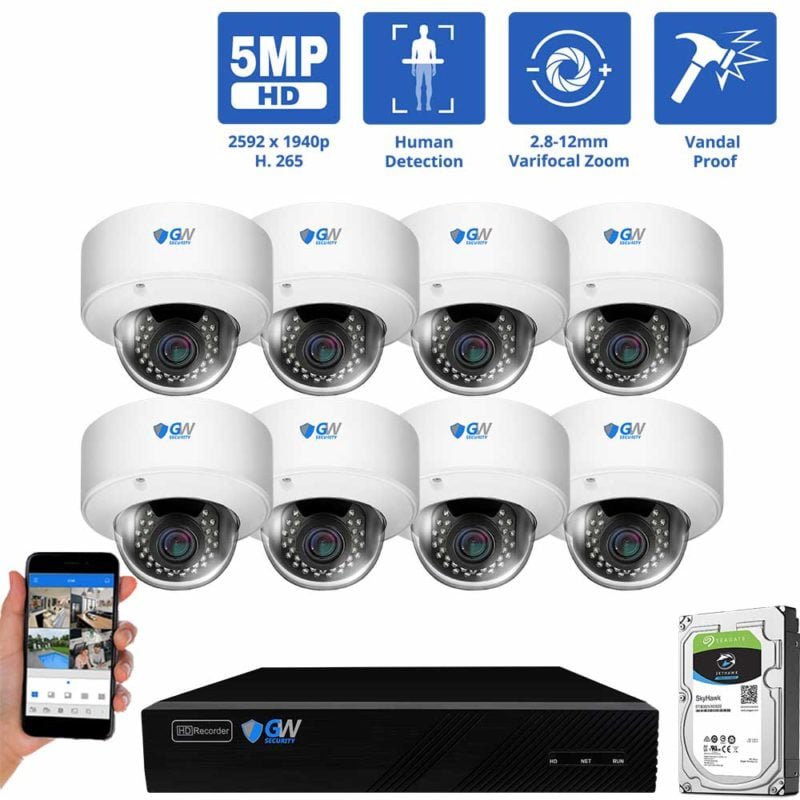
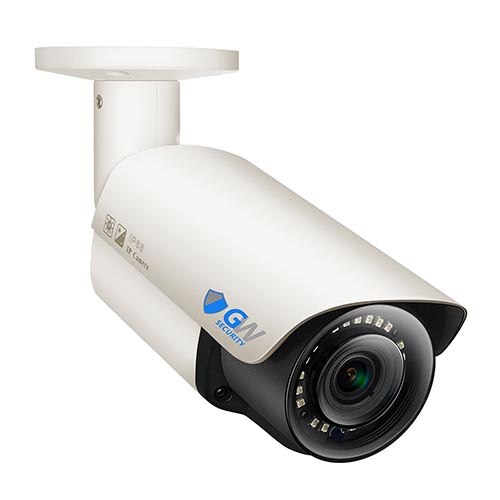
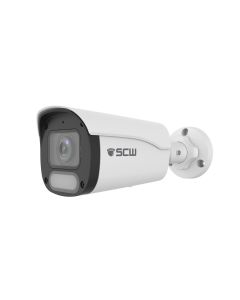
- Camera types: Dome, bullet, and PTZ (pan-tilt-zoom)
- Recording devices: DVR (digital video recorder) or NVR (network video recorder)
- Display units: Monitors or mobile devices
- Power sources and network connections
Benefits For Security
CCTV systems offer many security advantages. They help watch large areas continuously and store footage for review.
| Benefit | Description |
| Deterrence | Visible cameras discourage theft and vandalism |
| Evidence | Recorded video helps identify suspects and prove events |
| Remote Access | Users can view live video from smartphones or computers |
| 24/7 Monitoring | Cameras work day and night with infrared or low-light features |
Common Drawbacks
CCTV systems have some limitations. They can be costly to install and maintain. Privacy concerns also arise when cameras cover public or private spaces.
Other drawbacks include:
- Blind spots where cameras cannot see
- Image quality can drop in bad weather or low light
- Technical issues like network failures or power outages
- Need for regular updates and security patches
Performance Comparison
Binoculars and CCTV serve different purposes in surveillance. Understanding their performance helps choose the right tool for specific needs.
This comparison covers image quality, range, and real-time monitoring abilities of both devices.
Image Quality And Clarity
Binoculars offer clear images directly to the eyes but depend on lighting and user skill. CCTV cameras capture digital images that can be enhanced and stored.
CCTV usually provides better clarity in low light with infrared and night vision features. Binoculars lack these enhancements.
- Binoculars: Clear in daylight, no digital zoom
- CCTV: Digital images, night vision available
- CCTV can record and playback footage
Range And Coverage
Binoculars have a limited viewing range based on lens power. They work best for close to medium distances.
CCTV cameras cover wider areas with adjustable lenses and can be placed in many locations. Some models have zoom and pan features.
- Binoculars: Limited range, fixed field of view
- CCTV: Wide coverage, adjustable angles
- CCTV supports multiple cameras for larger areas
Real-time Monitoring
Binoculars require a person to watch through them directly. This limits the time and attention available for monitoring.
CCTV systems allow continuous real-time monitoring with alerts. They can connect to phones or computers for remote viewing.
- Binoculars: Manual use, no recording
- CCTV: Continuous monitoring and recording
- CCTV offers remote access and alerts
Credit: gwsecurityusa.com
Practical Scenarios
Binoculars and CCTV cameras serve different roles in surveillance. Understanding where each fits helps decide their usefulness.
Binoculars offer portable, direct viewing. CCTV provides constant, recorded monitoring. Let’s see how they compare in real situations.
Home Security
Binoculars can help spot visitors or threats from a distance outside your home. They need a person to watch through them.
CCTV cameras watch 24/7 and record events for later review. They alert homeowners automatically if there is unusual activity.
- Binoculars require someone to look at them regularly
- CCTV offers continuous monitoring without human presence
- Cameras record footage, binoculars do not
Public Spaces
In parks or streets, binoculars let security personnel scan wide areas quickly. They are useful for spot checks.
CCTV systems cover large spaces with multiple cameras. They help track people and record incidents automatically.
- Binoculars depend on active use by staff
- CCTV works all the time and stores video
- Cameras can alert police or security instantly
Commercial Applications
Shops and offices may use binoculars for quick checks outside windows. They help security guards monitor distant areas.
CCTV protects goods and staff by watching entrances and sensitive areas nonstop. It records evidence if theft occurs.
- Binoculars help on-the-spot visual checks
- CCTV provides ongoing surveillance and recordings
- Cameras reduce need for constant guard attention
Cost And Maintenance
Choosing between binoculars and CCTV for surveillance depends on cost and upkeep. Both have different expenses to consider.
This guide looks at the initial cost, ongoing expenses, and durability for each option.
Initial Investment
Binoculars usually need less money upfront. You buy them once and start using them. CCTV systems need cameras, wiring, and installation, which costs more.
- Binoculars cost less to buy initially.
- CCTV needs hardware and setup fees.
- Installation can add to CCTV costs.
- Binoculars require no extra tools to use.
Ongoing Expenses
Binoculars have almost no ongoing costs. You keep them clean and safe. CCTV systems need power, repairs, and sometimes subscription fees for cloud storage or apps.
| Expense Type | Binoculars | CCTV |
| Power | None | Required |
| Maintenance | Cleaning only | Regular checks and repairs |
| Software Fees | None | Possible monthly charges |
| Storage | None | Cloud or local storage costs |
Durability And Lifespan
Binoculars can last many years with gentle care. CCTV cameras may wear out faster because of weather and constant use. Repairs or replacements are common.
- Binoculars resist damage if stored properly.
- CCTV cameras face outdoor wear and tear.
- Frequent maintenance extends CCTV life.
- Binoculars rarely need parts replaced.
Credit: www.getscw.com
Legal And Privacy Aspects
Using binoculars for surveillance raises important legal and privacy questions. People must understand the rules before using them to watch others.
Privacy laws vary by location. Surveillance tools must follow these laws to avoid penalties or legal trouble.
Regulations On Surveillance
Laws control how and when you can watch others. CCTV systems often have clear rules, but binoculars can be tricky.
- Many places require consent to record video or audio.
- Public areas usually allow some surveillance.
- Private property needs owner permission to observe closely.
- Using binoculars to spy on private moments can break laws.
- Some laws limit how long you can keep recorded footage.
Ethical Considerations
Watching others affects trust and respect. Ethics help decide what is right beyond the law.
| Ethical Point | Description |
|---|---|
| Respect Privacy | Avoid watching people in private settings without consent. |
| Purpose | Use surveillance only for safety or legal reasons. |
| Transparency | Inform people if they are being monitored when possible. |
| Limit Scope | Do not use tools to gather unnecessary personal details. |
| Accountability | Be ready to explain why surveillance was done. |
Hybrid Surveillance Solutions
Surveillance helps keep places safe by watching activities. People often ask if binoculars can replace CCTV cameras.
Binoculars and CCTV serve different purposes. Using both together can improve security efforts.
Combining Binoculars And Cctv
Binoculars let you see far objects clearly by eye. CCTV cameras record and show video footage over time.
Using binoculars with CCTV helps security guards check details fast. Guards can zoom in with binoculars while cameras cover wide areas.
- Binoculars offer quick manual zoom for live checking
- CCTV records all movements for later review
- Binoculars work well in places without power or internet
- CCTV provides 24/7 automated surveillance
Enhancing Security Effectiveness
Using both tools together improves security. Binoculars help spot issues quickly, while CCTV keeps a record.
This hybrid approach helps catch problems early. It also helps prove what happened if an event occurs.
- Faster response to suspicious activities
- Clear evidence collected by CCTV cameras
- Better coverage of large or complex areas
- Flexibility in different lighting and weather
Frequently Asked Questions
Can Binoculars Fully Replace Cctv For Surveillance?
No, binoculars cannot fully replace CCTV. Binoculars provide limited range and no recording. CCTV offers continuous monitoring and video evidence, essential for effective surveillance.
What Are The Limitations Of Binoculars In Surveillance?
Binoculars lack night vision and recording capabilities. They require manual operation and provide only a narrow field of view, making them less efficient than CCTV systems.
How Does Cctv Outperform Binoculars In Security?
CCTV provides 24/7 monitoring with video recording and remote access. It covers wide areas automatically, unlike binoculars, which depend on user presence and focus.
Are Binoculars Useful For Any Surveillance Scenarios?
Yes, binoculars are useful for short-term, close-range observation. They help in identifying details from a distance but are not suitable for continuous or large-area monitoring.
Conclusion
Binoculars offer portability and a simple way to watch distant places. Yet, they can’t fully replace CCTV systems for surveillance. CCTV provides constant monitoring and records everything. Binoculars need human operation and can’t capture footage. For some, binoculars might work in specific situations.
But they lack the comprehensive security of CCTV. Consider your needs and environment before deciding. Both have their strengths and weaknesses. Weigh these carefully. Choose the tool that best suits your surveillance needs. Always prioritize safety and security in your decision.