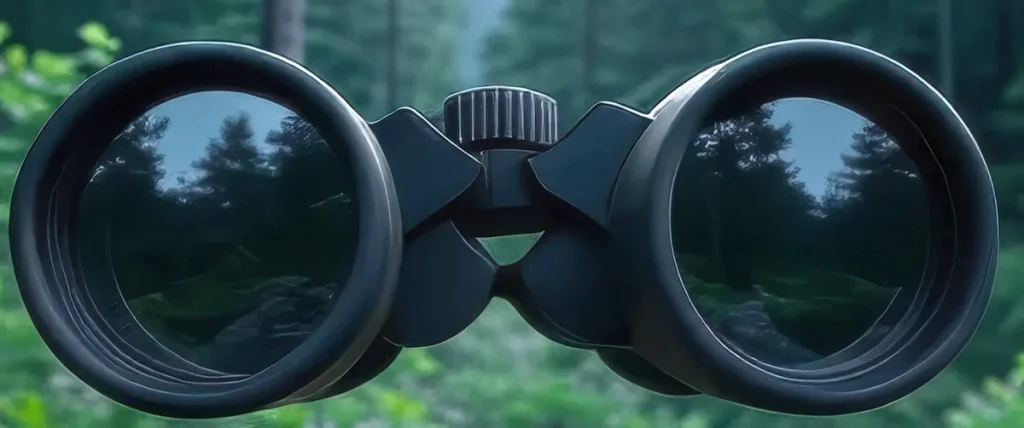
Have you ever wondered how rescue teams spot someone lost miles away or how surveillance experts keep an eye on critical areas without being noticed? The answer often lies in a simple yet powerful tool: binoculars.
These devices can be a game-changer in rescue and surveillance missions, giving you the ability to see far beyond what your eyes alone can catch. If you want to understand how binoculars can make a real difference when every second counts, keep reading.
This article will reveal the surprising ways binoculars boost safety, improve precision, and help you stay one step ahead in critical situations.
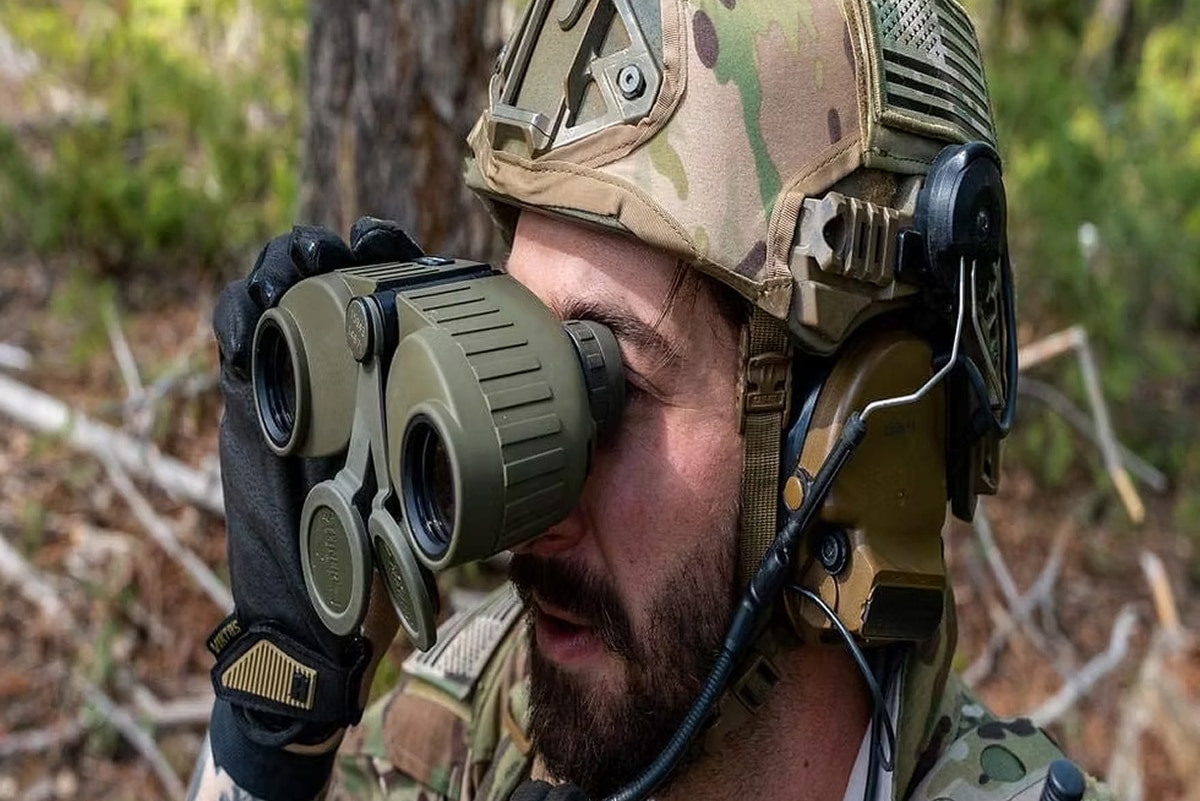
Credit: www.vemistar.com
Role Of Binoculars In Rescue Missions
Binoculars are important tools in rescue missions. They help rescuers see far away places clearly.
Using binoculars can make rescue work faster and safer. They improve the chances of finding people in need.
Enhancing Visual Range
Binoculars increase how far rescuers can see. This helps them spot people or objects from a distance.
They make small details visible that are hard to see with the naked eye. This ability saves time in large areas.
Identifying Distress Signals
People in trouble often use signs to get help. Binoculars help rescuers see these signals clearly.
Signs can include waving hands, colored cloths, or smoke signals. Binoculars make spotting these easier.
- Waving arms or flags
- Smoke or fire signals
- Bright clothing or markers
Navigating Difficult Terrain
Rescue areas may have rough land or dense forests. Binoculars help rescuers plan safe routes.
They allow teams to see obstacles and find clear paths from far away. This reduces risks during rescue.
Types Of Binoculars Used In Rescue
Binoculars are important tools in rescue and surveillance missions. They help teams see far and spot people or objects quickly.
Different types of binoculars serve various purposes in these operations. Choosing the right kind makes the work easier and safer.
Standard Vs. Specialized Binoculars
Standard binoculars are simple and easy to use. They provide clear images for daytime viewing. Many rescue teams carry these for general work.
Specialized binoculars have extra features. These help in tough conditions or special tasks. They may have zoom, image stabilization, or other tech.
- Standard binoculars: good for daylight and clear weather
- Specialized binoculars: designed for specific rescue needs
- Examples: zoom lenses, built-in compasses, range finders
Night Vision And Thermal Imaging
Night vision binoculars let rescuers see in the dark. They use light amplification to brighten images. This helps find people at night.
Thermal imaging binoculars detect heat from bodies or machines. They show warm objects as bright shapes. These work well in fog, smoke, or darkness.
- Night vision: works by enhancing available light
- Thermal imaging: detects heat signatures
- Both types improve search and rescue at night
Waterproof And Durable Models
Rescue missions often face harsh weather. Waterproof binoculars resist rain and water damage. They keep working in wet conditions.
Durable models are built to survive drops and rough use. They have strong casing and shock protection. These binoculars last longer on tough missions.
- Waterproof: protects against rain and splashes
- Durable: resists shocks and rough handling
- Essential for outdoor and emergency use
Features That Improve Rescue Efficiency
Binoculars play a vital role in rescue and surveillance missions. They help teams see distant objects clearly and act fast.
Choosing binoculars with the right features can improve the success of these operations greatly.
Magnification And Lens Quality
High magnification lets rescuers see faraway areas in detail. Clear lenses reduce blur and improve image sharpness. Both help identify people or hazards quickly.
- Magnification power usually ranges from 7x to 10x for rescue use.
- Good lens coatings increase light transmission.
- Waterproof and fog-proof lenses ensure clear views in bad weather.
Field Of View And Focus Speed
A wide field of view lets users scan large areas fast. Quick focus helps zoom in on targets without delay. Both are critical in time-sensitive missions.
| Feature | Benefit |
| Wide Field of View | See more area at once |
| Fast Focus Mechanism | Quickly sharpen image |
| Close Focus Distance | View nearby objects clearly |
Ergonomics And Portability
Binoculars must be easy to hold and carry. Comfortable grips reduce hand strain. Lightweight models help users move quickly without fatigue.
- Rubber armor offers a secure grip and shock protection.
- Compact size fits easily in rescue gear packs.
- Adjustable eyecups improve comfort for all users.

Credit: www.wildtimeoutdoors.com
Real-life Rescue Scenarios
Binoculars are useful tools in many rescue and surveillance missions. They help teams see distant places clearly. This aids in finding people or objects quickly.
Using binoculars, rescuers can spot signs of life or danger from far away. This improves the chances of a successful rescue.
Search And Recovery Operations
In search and recovery tasks, binoculars help locate missing persons or items. Teams scan large areas like forests or deserts.
Binoculars allow rescuers to see details such as clothing colors or movement from a distance. This saves time and effort.
Mountain And Wilderness Rescues
Mountains and wilderness areas have rough terrain and limited visibility. Binoculars help spot lost hikers or stranded climbers.
Rescue teams use binoculars to check cliff edges, forests, and valleys. This helps plan safe routes for approach and rescue.
- Identify signals like waving or smoke
- Locate campsites or emergency shelters
- Observe weather changes from a distance
Marine And Coastal Missions
In marine missions, binoculars help spot boats or people in the water. They improve visibility over large open areas.
Coastal teams watch for signs of distress on beaches or rocky shores. Binoculars allow quick identification of hazards or survivors.
- Scan wide ocean areas for debris or life rafts
- Monitor swimmer safety near shore
- Track vessels moving near restricted zones
Training And Best Practices
Binoculars are important tools in rescue and surveillance missions. Proper training helps users see details clearly and make good decisions.
Following best practices ensures safety and efficiency during operations. Teams must learn how to use and care for binoculars well.
Effective Use Of Binoculars
Users must adjust binoculars for clear vision. They should learn to hold them steady and scan areas carefully. Practice helps improve spotting skills.
- Check the focus and adjust eyepieces to your eyes.
- Hold binoculars with both hands to avoid shaking.
- Scan the area slowly from left to right.
- Use a tripod for long observation sessions.
- Note any important details and their location.
Coordinating With Rescue Teams
Clear communication helps teams work together. Binocular users must share exact locations and observations fast. This aids rescue planning and safety.
| Role | Binocular User Task | Communication Method |
| Spotter | Identify hazards or victims | Radio or hand signals |
| Team Leader | Coordinate search efforts | Radio calls |
| Rescue Member | Follow directions to target | Verbal commands |
Maintenance And Care
Keeping binoculars clean and safe extends their life. Training should cover how to store and clean lenses properly. Avoid dropping or exposing them to water.
- Use a soft cloth to clean lenses.
- Store binoculars in a padded case.
- Keep them dry and avoid extreme temperatures.
- Check for loose parts regularly.
- Report damage immediately to supervisors.
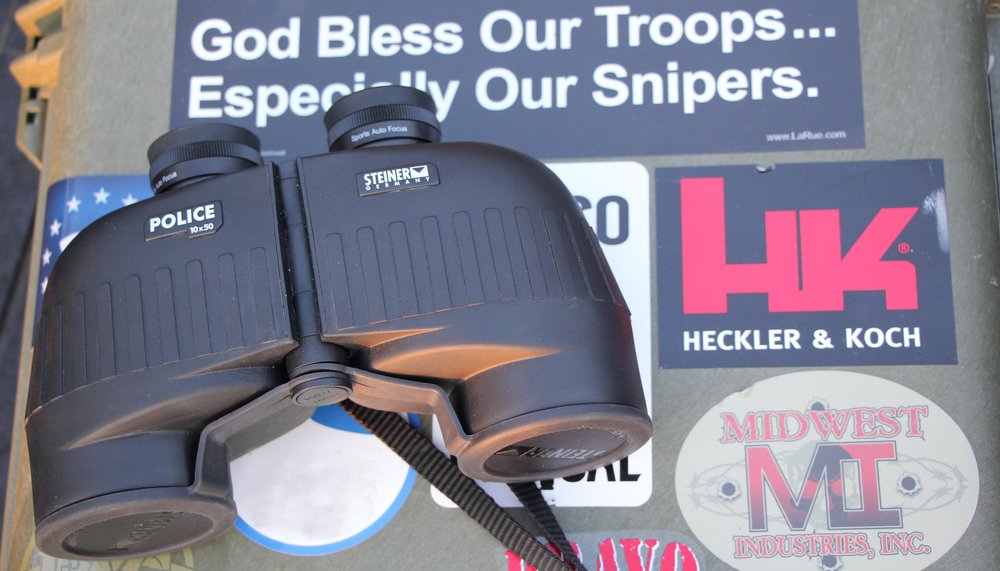
Credit: www.transientoutdoorsman.com
Frequently Asked Questions
Can Binoculars Improve Rescue Mission Efficiency?
Yes, binoculars help spot victims from a distance quickly. They enhance visibility in challenging terrains and conditions. This leads to faster, safer rescues and better coordination among teams.
Are Binoculars Useful For Surveillance In Low Light?
Modern binoculars with night vision or image enhancement work well in low light. They provide clear views without alerting subjects. This makes them ideal for discreet surveillance operations.
What Features Make Binoculars Ideal For Rescue Work?
Rescue binoculars often have waterproofing, durability, and wide field of view. High magnification and image stabilization are also important. These features ensure reliable performance in harsh environments.
How Do Binoculars Aid In Surveillance Accuracy?
Binoculars improve detail recognition, distance judgment, and target tracking. They allow clear observation without physical proximity. This reduces risk and increases the accuracy of gathered information.
Conclusion
Binoculars offer clear benefits in rescue and surveillance missions. They help spot dangers and find people quickly. Their portability makes them easy to carry anywhere. Using binoculars improves safety for teams on the ground. They provide sharp, close-up views from a distance.
This tool supports better decision-making under pressure. Simple, reliable equipment can save lives and protect people. Choosing the right binoculars boosts mission success and efficiency. Small but powerful aids like these prove their value daily.