When you’re out in the field searching for someone or something important, every second counts. You might be wondering if investing in thermal binoculars is really worth the cost for search and rescue (SAR) missions.
These devices promise clear vision even in complete darkness or harsh weather, but do they deliver enough value to justify their price? If you want to make sure your gear gives you a real advantage when it matters most, keep reading.
This article will help you decide if thermal binoculars are the right tool for your SAR needs.
Thermal Binoculars In Sar
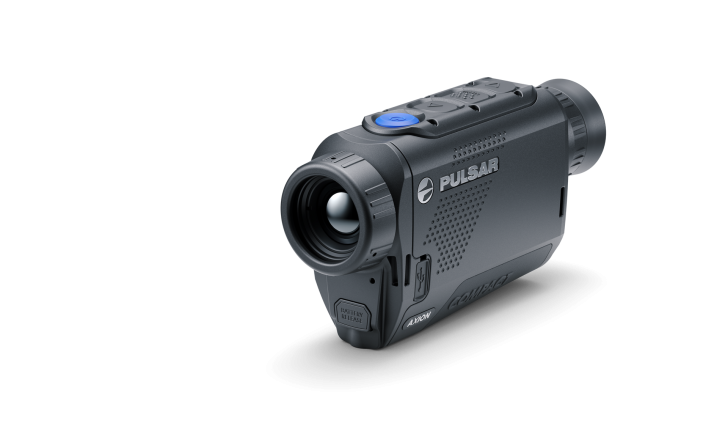
Search and Rescue (SAR) teams need tools to find people fast. Thermal binoculars help teams see heat from bodies and objects. These devices work in darkness, fog, and smoke.
Thermal binoculars show heat patterns, making it easier to spot people lost in forests or disaster sites. They are useful for night missions and tough weather conditions.
Role Of Thermal Imaging
Thermal imaging shows heat differences in the environment. It helps SAR teams find people by detecting body heat. This works even when visibility is very low.
Thermal imaging helps in quick decision-making. Teams can see hidden dangers like fires or animals. It also reduces the time spent searching large areas.
- Detects heat from humans and animals
- Works in total darkness
- Penetrates smoke, fog, and light vegetation
- Improves safety for search teams
Key Features For Sar Operations
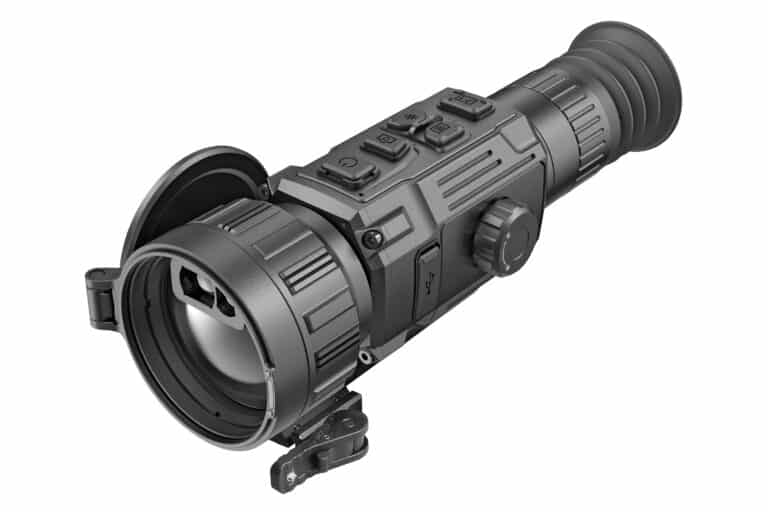
Thermal binoculars for SAR have special features to help in tough missions. They are easy to carry and use in the field. Good battery life is important for long searches.
High image resolution and zoom help see details at a distance. Rugged design protects the binoculars from rough weather and drops. Lightweight models reduce fatigue during long missions.
- High resolution thermal sensor for clear images
- Strong zoom to view distant targets
- Long battery life for extended use
- Durable and weather-resistant body
- Lightweight for easy handling
- User-friendly controls for quick operation
Credit: southernprecisionoutdoors.com
Cost Factors
Thermal binoculars are important tools for search and rescue (SAR) operations. Understanding their cost helps decide if they fit your budget. This section looks at the main cost factors.
Costs include the initial price and ongoing expenses. Both affect the total cost of owning thermal binoculars.
Price Range Of Thermal Binoculars
Thermal binoculars come in many price ranges. The price depends on features like resolution, range, and brand.
- Basic models start around $1,000 to $2,500.
- Mid-range models cost between $2,500 and $5,000.
- High-end models can exceed $5,000.
- Special features like image enhancement add to the price.
- Warranty and customer support may affect cost.
Maintenance And Operational Costs
Owning thermal binoculars involves costs beyond the purchase price. These include maintenance and operating expenses.
| Cost Type | Details | Estimated Cost |
|---|---|---|
| Battery Replacement | Batteries need regular replacement or charging. | $20 – $100 per year |
| Calibration | Periodic calibration ensures accuracy. | $50 – $200 per session |
| Repairs | Repairs for damage or wear can vary. | $100 – $500 depending on issue |
| Software Updates | Updates may be free or require fees. | Varies by manufacturer |
Performance Benefits
Thermal binoculars provide clear vision in low light and tough conditions. These tools help search and rescue teams find people faster.
Understanding their performance benefits shows if they are worth the cost for rescue missions.
Enhanced Detection Capabilities
Thermal binoculars detect heat signatures from people and animals. They work well in darkness, fog, and smoke. This helps spot targets that normal binoculars miss.
- See through total darkness without light
- Detect heat from long distances
- Identify hidden or camouflaged subjects
- Operate in bad weather conditions
Improved Search Efficiency
Thermal binoculars speed up search times by showing clear heat images. This lets teams cover large areas quickly and safely.
| Feature | Benefit |
| Wide Detection Range | Find targets from far away |
| Real-Time Imaging | Instantly see movement and heat |
| Lightweight Design | Easier to carry during long missions |
| Durability | Works in rough outdoor conditions |

Credit: goodnitegearshop.com
Limitations To Consider
Thermal binoculars are useful tools for search and rescue (SAR) missions. They help locate people in darkness or through smoke. Still, they have some limits to keep in mind.
Understanding these limits can help you decide if thermal binoculars are right for your SAR needs.
Environmental Constraints
Thermal binoculars rely on detecting heat differences. Weather and surroundings affect their performance. For example, heavy rain or fog can reduce visibility. Thick vegetation or dense smoke also blocks heat signatures.
- Rain and fog can blur thermal images.
- Dense trees or bushes hide heat signatures.
- High temperatures may reduce contrast.
- Cold surfaces can mask body heat.
Battery Life And Durability
Long battery life is vital during extended missions. Some thermal binoculars use batteries that last only a few hours. Durability is also important. Devices must handle drops, water, and dust.
| Factor | Typical Range |
| Battery Life | 4 to 8 hours |
| Weight | 1 to 3 pounds |
| Water Resistance | IP67 or lower |
| Shock Resistance | Drop tested up to 1.5 meters |
Comparing Alternatives
Search and Rescue (SAR) teams need reliable vision tools for low-light and no-light conditions. Thermal binoculars are one option, but other devices also help in these situations.
This section compares common alternatives to thermal binoculars. It looks at standard night vision devices and other imaging technologies used in SAR operations.
Standard Night Vision Devices
Night vision devices use ambient light to enhance visibility in the dark. These devices amplify existing light to show clearer images at night.
- Image intensifier goggles and binoculars
- Require some light to work well
- Show green-hued images for easier viewing
- Less effective in total darkness or smoky conditions
- Generally cheaper than thermal devices
Night vision devices are useful in clear, low-light environments but struggle in pitch-black or obstructed views.
Other Imaging Technologies
Besides night vision and thermal imaging, other technologies exist. These include infrared and digital imaging systems.
| Technology | How It Works | Strengths | Limitations |
|---|---|---|---|
| Infrared Cameras | Detect heat signatures like thermal devices | Can see through smoke and light fog | Less effective in heavy rain or thick fog |
| Digital Low-Light Cameras | Use sensors to amplify low light digitally | Provide color images in low light | Require power and may have lag in dark areas |
| Multispectral Imagers | Combine visible and infrared images | Offer detailed views in varied conditions | High cost and complex operation |
User Experiences
Thermal binoculars are tools used in search and rescue (SAR) missions. They help find people in dark or hard-to-see places. Many SAR teams have shared their thoughts on these devices.
Understanding real user experiences helps evaluate if thermal binoculars are worth their cost in SAR work.
Feedback From Sar Teams
SAR teams report that thermal binoculars improve their ability to spot missing persons. These devices work well in night searches and through smoke or fog. Some teams say they reduce search times significantly.
- Thermal binoculars detect heat signatures quickly.
- They help cover large areas from high points.
- Some users find them heavy for long missions.
- Battery life varies and affects usage time.
- Training is needed to interpret thermal images.
Case Studies And Success Stories
Several SAR operations have shared success stories where thermal binoculars were key. These devices helped find lost hikers and trapped survivors in tough conditions.
| Incident | Location | Outcome |
| Lost hiker found | Mountain trail | Rescued after 3 hours |
| Fire survivor located | Forest fire zone | Safe evacuation |
| Nighttime river rescue | Riverbank | Person pulled to safety |
Making The Investment
Thermal binoculars can help in search and rescue (SAR) missions. They allow rescuers to see heat signatures in the dark or through smoke.
Before buying, it is important to think about the value they bring. This helps decide if the cost is worth it.
Assessing Operational Needs
First, consider the type of missions you will do. Some missions need clear night vision, while others may need long-distance detection.
Think about the environments you work in. Thermal binoculars work well in fog, smoke, or darkness but may be less needed in clear daylight.
- Nighttime or low visibility missions benefit most
- Long-range detection helps find people far away
- Compact and lightweight models suit quick movements
- Durable devices handle rough weather and terrain
Budgeting For Sar Equipment
Thermal binoculars cost more than regular binoculars. Set a clear budget before shopping.
Remember to include extra costs like batteries, maintenance, and training for your team.
- Initial purchase price can be high
- Ongoing costs include battery replacement
- Maintenance keeps the device working well
- Training ensures effective and safe use

Credit: hoganoutdoors.com
Frequently Asked Questions
What Are The Main Benefits Of Thermal Binoculars For Sar?
Thermal binoculars detect heat signatures, enhancing visibility in darkness or smoke. They help locate missing persons quickly, improving SAR efficiency and safety.
How Do Thermal Binoculars Compare To Night Vision For Sar?
Thermal binoculars detect heat, working in total darkness and through obstacles. Night vision amplifies ambient light but struggles in zero-light or smoky conditions.
Are Thermal Binoculars Cost-effective For Search And Rescue?
Though expensive upfront, thermal binoculars save time and lives in SAR. Their durability and advanced technology offer long-term value and improved mission success.
What Features Should Sar Teams Look For In Thermal Binoculars?
Look for high resolution, long detection range, image stabilization, and weather resistance. Battery life and ease of use also impact performance during SAR operations.
Conclusion
Thermal binoculars offer clear advantages for search and rescue teams. They help find people in darkness or bad weather. The cost may seem high, but the benefits often outweigh it. These devices improve safety and save time during rescues. Still, each team must consider their budget and needs.
Investing in quality gear can make a big difference. In the end, thermal binoculars provide valuable help in critical situations. Worth considering for anyone serious about effective search and rescue work.