Are you tired of struggling with annoying glare every time you use your roof prism binoculars? That bright reflection can ruin your view and make it hard to enjoy the details you want to see.
But what if you could easily reduce or even avoid that glare altogether? You’ll discover simple, effective tips that can instantly improve your viewing experience. Keep reading, and you’ll learn how to make your binoculars work better for you—no more squinting or distractions, just clear, crisp images every time.

Credit: www.indiatelescopeshop.com
Choosing The Right Coatings
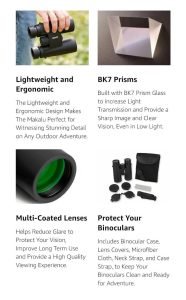
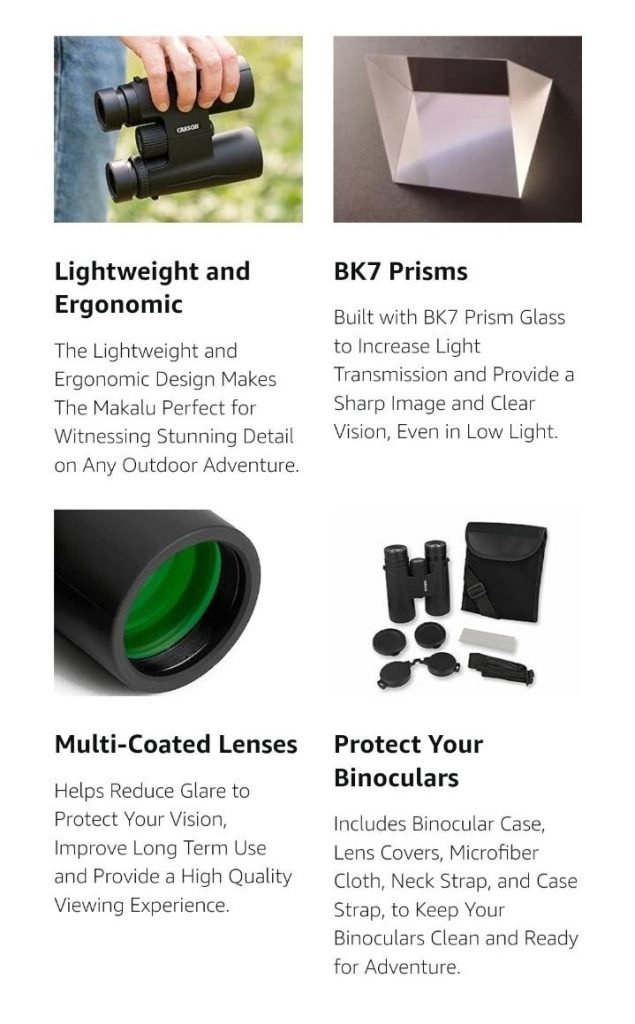
Anti-reflective coatingsreduce glare on roof prism binoculars. These coatings help light pass through lenses more clearly. This means you get brighter and sharper images.
They also stop unwanted reflections that cause glare. This makes viewing more comfortable for your eyes. The best coatings cover all glass surfaces inside the binoculars.
| Benefit | Description |
|---|---|
| Improved Brightness | More light reaches your eyes, making images brighter. |
| Reduced Glare | Less reflection means clearer views without distractions. |
| Better Contrast | Images appear sharper with more detail and color. |
Phase correction coatingsfix light wave shifts in roof prisms. They improve image clarity and contrast. Without these coatings, images may look blurry or dull.
These coatings work by aligning light waves. This gives sharper images and better color accuracy. Phase correction is a key feature in quality roof prism binoculars.

Credit: zarimex.eu
Optimizing Lens Design
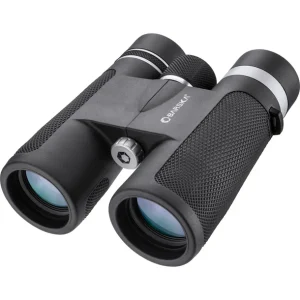
The shape of the lensaffects how light bends inside the binoculars. Round or curved lenses can reduce glare by directing light properly. Flat lenses may cause more reflection and glare.
Lens shape also influences the clarity and brightnessof images. Smooth, curved surfaces help keep the picture sharp without unwanted light spots.
- Curved lenses:Minimize glare and improve image quality.
- Flat lenses:May cause reflections and increase glare.
Multi-layer coatingsplay a key role in reducing glare. These coatings are thin layers applied to lenses. They help block unwanted lightand reduce reflections on lens surfaces.
Each layer targets different light wavelengths, improving light transmission. This results in brighter and clearer views with less glare and stray light.
| Coating Type | Purpose | Effect on Glare |
|---|---|---|
| Single-layer | Basic reflection reduction | Moderate glare control |
| Multi-layer | Blocks multiple light wavelengths | Strong glare reduction |
| Fully multi-coated | Coating on all air-to-glass surfaces | Best glare prevention and brightness |
Managing Light Transmission
Balancing brightness and clarityis key to reducing glare in roof prism binoculars. Use binoculars with good anti-reflective coatingson lenses and prisms. These coatings help minimize light reflectioninside the optics. Adjust the brightness levelby using the focus wheel carefully; too much light can cause glare and reduce image quality.
Reducing internal reflectionsimproves the viewing experience. Check that all glass surfaces have multi-layer coatings. These coatings reduce stray light and prevent ghost images. Using binoculars with a roof prism designthat has phase correction coatingsalso helps maintain sharpness and contrast.
Environmental Factors
Ambient lightcan cause glare in roof prism binoculars. To reduce this, avoid using binoculars in places with strong light sources nearby. Bright light reflects inside the lenses, making it hard to see clearly.
Try to stay in shaded areas or use a hat to block sunlight. Position yourself so the sun is behind you. This reduces direct sunlight hitting the binoculars.
- Use lens hoods or shades if possible
- Avoid pointing binoculars directly toward the sun
- Choose times when sunlight is less harsh, like early morning or late afternoon
- Keep the lenses clean to prevent extra reflections
Adjusting Your Viewing Angle
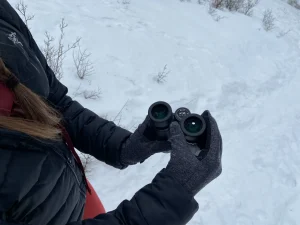
Adjust the binoculars slightly to find the best angle for clear viewing. Tilting them up or down can reduce unwanted glare. Moving your head or body a little helps to avoid bright reflections from the sun or other light sources.
- Keep your eyes aligned with the eyepieces for sharper images.
- Use steady hands or a tripod to hold binoculars still.
- Avoid direct sunlight hitting the lenses by changing your position.
Sunshades block extra light from entering the lenses. They attach to the binoculars and help cut glare. Eye cups also play a key role. They create a small shaded area around your eyes, reducing light from the sides.
- Extend eye cups fully to block side light.
- Use sunshades for bright outdoor conditions.
- Keep binoculars clean for the best view.
Credit: www.astronomy.com
Quality Control And Maintenance
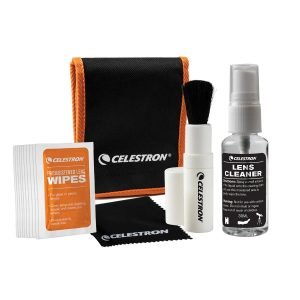
Keep your roof prism binoculars clear by cleaning them regularly. Use a soft brush or cloth to remove dust and dirt. Avoid harsh chemicals; use lens cleaner made for optics only. Dirt and smudges cause glare and reduce image quality. Clean the lenses gently to avoid scratches.
Check your binoculars for scratches or cracks often. Damaged lenses let light scatter, causing glare. If you find any damage, consider professional repair. Protect your binoculars with a case to prevent harm during storage or travel. Good care helps keep views sharp and clear.
Frequently Asked Questions
How Can I Reduce Glare In Roof Prism Binoculars?
Use binoculars with fully multi-coated lenses. These coatings minimize light reflection and enhance image clarity. Also, avoid direct sunlight and use lens hoods or shades to block stray light, reducing glare effectively.
Why Do Roof Prism Binoculars Cause Glare?
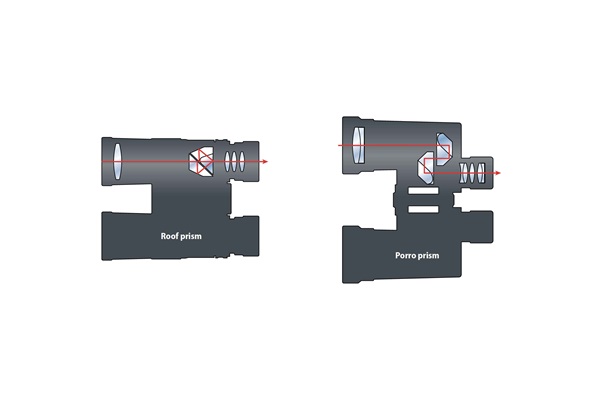
Glare happens due to light reflecting inside the prisms and lenses. Roof prism designs have more reflective surfaces, increasing chances of glare without proper coatings or accessories to reduce it.
What Lens Coatings Prevent Glare In Binoculars?
Fully multi-coated lenses are the best for reducing glare. These coatings apply multiple layers to all air-to-glass surfaces, enhancing light transmission and lowering reflections that cause glare.
Does Using A Lens Hood Help With Binocular Glare?
Yes, lens hoods block stray sunlight from hitting the lenses directly. This reduces glare and improves image contrast when using roof prism binoculars outdoors.
Conclusion
Glare in roof prism binoculars can spoil your viewing experience. Use lens hoods or anti-reflective coatings to cut glare. Keep lenses clean and avoid direct sunlight on them. Adjust your angle to reduce reflections. These simple steps help you enjoy clear, sharp images.
Practice them often to improve your outdoor adventures. Clear views make every moment more enjoyable. Stay patient and try different methods for the best results. Your binoculars will thank you with better sight.