Are you tired of struggling to see objects up close with your binoculars? If you enjoy birdwatching, hiking, or simply exploring nature, having the right pair can make all the difference.
Roof prism close-focus binoculars promise sharper images and better detail when you’re observing things nearby. But are they really better for your needs? You’ll discover what makes these binoculars stand out and whether they are the perfect fit for your adventures.
Keep reading—you might just find the upgrade you’ve been looking for.

Credit: alflahertys.com
Roof Prism Binoculars Basics
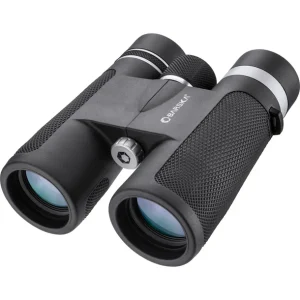
Roof prism binoculars have a straight barrel design. They use prisms to bend light and create a clear image.
This design makes them compact and easy to handle. Many people prefer them for their sleek look.
Design Features
Roof prism binoculars use a special prism system called the Schmidt-Pechan prism. This system allows light to travel in a straight line.
- Straight barrel shape for easy grip
- Light travels in a single, straight path
- Prisms align to reduce image distortion
- Often waterproof and fog proof
Common Uses
People use roof prism binoculars for many outdoor activities. Their compact size suits active use.
- Bird watching in forests and parks
- Hiking and backpacking trips
- Sports events and concerts
- Hunting in various terrains
- Marine and boating activities
Advantages Over Porro Prism
| Feature | Roof Prism | Porro Prism |
| Size | Compact and lightweight | Larger and bulkier |
| Durability | More rugged and sealed | Less sealed, can let in dust |
| Image Quality | Slightly less bright | Usually brighter images |
| Price | Often more expensive | Usually cheaper |
| Shape | Straight barrels | Offset barrels |
Close-focus Capability Explained
Close-focus capability is an important feature in binoculars. It tells you how near you can focus on an object. This is useful for viewing things up close without losing clarity.
Roof prism binoculars are popular for their compact design. Knowing their close-focus ability helps you decide if they meet your observation needs.
What Is Close-focus Distance?
Close-focus distance is the shortest distance at which binoculars can focus clearly. If an object is closer than this distance, it will appear blurry. This distance is usually measured in feet or meters.
Importance For Observation
Close-focus capability matters for many types of viewing. It helps you see details on flowers, insects, or small animals. Bird watchers and nature lovers often need binoculars with a short close-focus distance.
- Enables clear viewing of nearby objects
- Improves detail visibility in close observations
- Useful for nature and wildlife observation
- Helps in tasks requiring fine detail
Typical Close-focus Ranges
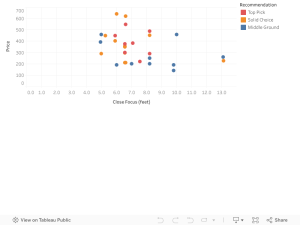
Binoculars vary in their close-focus distances. Roof prism models often have ranges that suit different needs. Here is a comparison of typical close-focus distances for various binocular types:
| Binocular Type | Close-Focus Distance | Best For |
|---|---|---|
| Roof Prism | 6 to 10 feet (2 to 3 meters) | General use, nature observation |
| Porro Prism | 3 to 6 feet (1 to 2 meters) | Close wildlife, insect viewing |
| Compact Binoculars | 10 to 15 feet (3 to 5 meters) | Travel and casual use |
Benefits Of Close-focus Roof Prism Binoculars
Close-focus roof prism binoculars let you see objects very near. They help you view details clearly without losing sharpness. These binoculars are great for many outdoor activities.
Roof prism design makes them compact and easy to carry. They offer strong performance in a small size. Many people prefer them for bird watching, hiking, and sports.
Enhanced Detail Viewing
Close-focus binoculars let you see objects just a few feet away. This helps you notice small details easily. You can study plants, insects, or small animals up close.
The roof prism design keeps images clear and sharp. It reduces distortion and improves color accuracy. This makes your viewing experience better.
Versatility In Different Environments
These binoculars work well in many settings. You can use them in forests, parks, or city areas. They perform well in bright and low light conditions.
Close-focus roof prism binoculars are good for both near and far views. They let you switch between close details and distant scenes easily. This makes them useful for many outdoor hobbies.
Portability And Compactness
Roof prism binoculars are smaller and lighter than other types. This makes them easy to carry on hikes or trips. You can keep them in a small bag or pocket.
The compact size does not reduce their power. They still provide clear, bright images. Their light weight helps you use them for longer times without strain.

Credit: www.amazon.ca
Potential Drawbacks To Consider
Roof prism close-focus binoculars offer clear views up close. They are popular for birdwatching and nature spotting. Still, some drawbacks may affect your choice.
Knowing the downsides helps you pick the right binoculars for your needs. Here are some points to think about before buying.
Cost Implications
Roof prism binoculars with close-focus features tend to cost more. The design is complex and requires precise engineering. This raises the price compared to standard models.
You may pay extra for better glass and coatings that improve image quality. This cost might not suit every budget, especially for casual users.
Optical Trade-offs
Close-focus roof prism binoculars can have some optical compromises. Achieving sharp images nearby may reduce clarity at longer distances. The zoom range might also be narrower.
These binoculars sometimes show slight color fringing or less brightness in low light. It depends on the quality of the optics and coatings used.
- Reduced sharpness at far distances
- Possible color fringing near edges
- Lower brightness in dim light
Durability Concerns
The close-focus mechanism adds moving parts inside the binoculars. These parts can be more fragile than in simpler designs. Rough handling might cause damage or misalignment.
Water resistance and fog proofing may also be affected. Extra seals and protection raise costs and add weight, which some users may not want.
Comparing Roof Prism To Other Binocular Types
Binoculars come in different designs. Roof prism and Porro prism are the main types. Each style has unique features.
Close-focus binoculars let you see objects very near. This feature is useful for birdwatching and nature study.
Porro Prism Vs Roof Prism
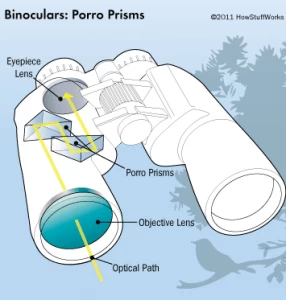
Porro prism binoculars have a zig-zag shape. Roof prism binoculars are straight and slim. This makes roof prism easier to carry.
Porro prisms often give better depth and wider view. Roof prisms are more compact and waterproof. Roof prism binoculars usually cost more.
- Porro prism: wider body, better depth perception
- Roof prism: slim design, more durable
- Porro prism: often better image for the price
- Roof prism: easier to hold and use
Close-focus Performance Differences
Close-focus means how near you can see clearly. Some binoculars focus on objects just a few feet away.
Roof prism binoculars often have better close-focus. Their lens setup allows sharp focus on nearby objects. Porro prisms may focus less close.
- Roof prism binoculars: can focus as close as 6 feet
- Porro prism binoculars: close focus usually 10 feet or more
- Better close focus helps in observing insects and flowers
User Preference Factors
People choose binoculars based on weight, size, and use. Roof prism binoculars are lighter and easier to handle.
Porro prism binoculars may offer better image quality for the price. Some users prefer the classic look and feel of Porro prisms.
- Roof prism: compact, waterproof, easier to carry
- Porro prism: often less expensive, better optical quality
- Close-focus needs depend on what you want to see
- Try both types before deciding what feels best

Credit: alflahertys.com
Choosing The Right Binoculars
Picking the right binoculars can make a big difference in your viewing experience. It is important to think about how and where you will use them.
Roof prism close-focus binoculars are popular, but are they the best for you? This guide helps you choose by looking at your needs, budget, and trusted brands.
Assessing Your Needs
Consider what you will use the binoculars for. Bird watching, hiking, or sports need different features.
- Check the focus range you need
- Think about the size and weight for comfort
- Look for weather resistance if used outdoors
- Decide if close-focus ability is important
Budget Considerations
Binoculars come in many price ranges. Set a budget before shopping to narrow your choices.
| Price Range | Features | Typical Use |
| Under $100 | Basic optics, heavier | Casual use, beginners |
| $100 – $300 | Better optics, some waterproof | Hobbyists, light outdoor use |
| Above $300 | High-quality optics, durable | Professional, serious outdoor use |
Brand And Model Recommendations
Choose brands known for quality and good customer support. Look for models with good reviews and warranty.
- Nikon Monarch series – good for close focus
- Vortex Diamondback – durable and clear images
- Zeiss Terra ED – high-end optics, roof prism design
- Celestron Nature DX – budget-friendly with good features
Frequently Asked Questions
What Are Roof Prism Close-focus Binoculars?
Roof prism close-focus binoculars use a compact roof prism design. They provide sharp images and allow viewing objects very near, ideal for bird watching and nature observation.
How Do Roof Prism Binoculars Differ From Porro Prisms?
Roof prism binoculars are slimmer and more durable. Porro prism binoculars offer wider field views but are bulkier. Roof prisms suit compact and close-focus needs better.
Are Close-focus Binoculars Better For Birdwatching?
Yes, close-focus binoculars let you see birds up close with clarity. They enhance detail and ease observation of nearby wildlife and plants.
Do Roof Prism Binoculars Offer Better Image Quality?
Roof prism binoculars deliver sharp, bright images with good contrast. Their advanced optics reduce distortion, making them ideal for detailed close-focus viewing.
Conclusion
Roof prism close-focus binoculars offer clear, sharp views at short distances. They suit bird watchers and nature lovers well. These binoculars are compact and easy to carry. Their design helps you see details up close. Choosing the right pair depends on your needs and budget.
Think about how and where you will use them. Quality and comfort matter for long-term use. In the end, roof prism close-focus binoculars provide good value for close-range viewing. Consider trying them to see the difference yourself.