Are you wondering if roof prism binoculars can handle wet weather without a problem? Whether you love birdwatching, hiking, or outdoor sports, knowing if your binoculars are waterproof is key to protecting your gear and enjoying clear views no matter the conditions.
You’ll discover exactly how roof prism binoculars stand up to water, what features to look for, and how to keep your binoculars safe during your adventures. Keep reading to make sure your next outdoor experience isn’t spoiled by unexpected weather.
Roof Prism Binoculars Basics
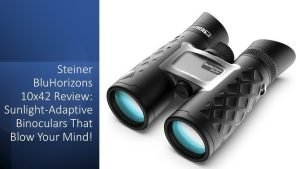
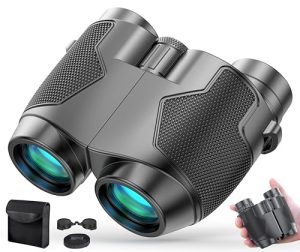
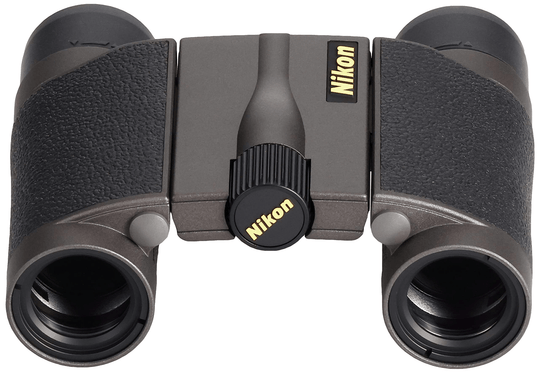
Roof prism binoculars have a straight barrel design. They are compact and easy to carry. These binoculars use a special roof prism system to reflect light.
This design helps create a clear and sharp image. Roof prism binoculars are popular for many outdoor activities.
Design And Structure
Roof prism binoculars use two prisms aligned in a straight line. This design makes the binoculars slimmer. The light passes through the prisms and flips the image correctly.
- Straight barrel shape
- Lightweight and compact
- Prisms arranged in a “roof” shape
- Requires precise alignment
- Usually more expensive than porro prisms
Common Uses
Roof prism binoculars are useful for many outdoor activities. Their compact size makes them easy to take on trips. They also offer good image quality and durability.
| Activity | Why Roof Prism Binoculars Fit |
| Bird Watching | Lightweight for long use |
| Hiking | Compact and easy to carry |
| Sports Events | Sharp image with narrow field |
| Travel | Small size fits in bags |

Credit: www.ebay.ca
Water Resistance Features
Roof prism binoculars often have water resistance features. These features protect the binoculars from rain and splashes. This makes them good for outdoor use in wet conditions.
Water resistance helps keep the lenses clear and stops damage inside the binoculars. It adds to the durability and lifespan of the device.
Sealing Techniques
Manufacturers use special sealing techniques to make roof prism binoculars water resistant. These seals block water from entering the binoculars’ body. They also keep dust and dirt out.
The seals are placed around moving parts and joints. This helps maintain clear vision and prevents fogging inside the lenses.
O-ring Protection
O-rings are small rubber rings used inside binoculars. They create tight seals to stop water and air from entering. O-ring protection is common in waterproof binoculars.
These rings also help protect against dust and dirt. O-rings improve the binoculars’ ability to work in harsh weather conditions.
Waterproof Vs Water-resistant
Roof prism binoculars are popular for outdoor use. Many people wonder if these binoculars are waterproof. It is important to know the difference between waterproof and water-resistant.
Waterproof means the binoculars can stop water completely. Water-resistant means they can handle some water but not fully stop it. Understanding this helps you choose the right binoculars for your needs.
Key Differences
Waterproof binoculars have seals that block water from entering. They can be used in heavy rain or even underwater for a short time. Water-resistant binoculars can resist light rain or splashes. They are not safe for heavy water exposure.
- Waterproof blocks all water entry
- Water-resistant stops only light moisture
- Waterproof is better for wet conditions
- Water-resistant is good for light rain
Industry Standards
Many roof prism binoculars are tested to meet industry standards for water protection. These tests include pressure and depth checks. The most common standard is IPX rating, which shows water resistance level.
- IPX7 means waterproof up to 1 meter for 30 minutes
- IPX4 means water-resistant to splashes from any angle
- Many binoculars use nitrogen or argon gas to prevent fog
- Seals and O-rings help keep water out
Materials Impacting Waterproofing
Waterproofing is important for roof prism binoculars. It keeps water out and protects the inside parts. The materials used in the binoculars affect how well they stop water.
This section explains two key materials that impact waterproofing: housing materials and lens coatings.
Housing Materials
The housing is the outer shell of the binoculars. It needs to be strong and water-resistant. Many waterproof binoculars use materials like rubber and metal for the housing.
Rubber helps seal the binoculars and stops water from entering. Metal parts add strength and durability. Some binoculars also use plastic that is tough and sealed tightly.
- Rubber provides a water-tight seal
- Metal adds durability and strength
- High-quality plastics can resist water
- Sealed joints prevent leaks
Lens Coatings
Lens coatings protect the glass surfaces inside the binoculars. Special coatings help repel water and reduce fogging. This keeps the view clear even in wet weather.
Some coatings also improve light transmission. This means you get a brighter image even in low light. These coatings help keep water droplets from sticking to the lenses.
- Water-repellent coatings prevent water build-up
- Anti-fog coatings stop fog inside lenses
- Multi-coatings improve light and clarity
- Durable coatings resist scratches and wear
Testing Waterproof Claims
Roof prism binoculars often claim to be waterproof. This means they should work well in wet weather. Testing these claims helps buyers trust the product.
Waterproof testing checks if water can enter the binoculars. It also looks at how well the binoculars work after being wet.
Manufacturer Testing Methods
Manufacturers test waterproof binoculars in controlled labs. They use water tanks or pressure chambers to simulate rain or underwater use.
Tests include soaking binoculars in water for a set time. Some tests add pressure to mimic deep water. Afterward, they check for leaks and fogging inside.
- Immersion in water tanks for 30 minutes or more
- Pressure tests to simulate depth up to several meters
- Checking seals and coatings for damage
- Fog tests to see if internal moisture forms
User Experience
Users test waterproof binoculars in real conditions. They use them in rain, near water, or in humid places. This shows how the binoculars handle everyday wet use.
Many users report no leaks or fogging after heavy rain. Some users note issues after long water exposure. Proper care and drying are important to keep them working well.
- Using binoculars in rain without damage
- No water entering the lens area
- Clear viewing with no fog inside
- Drying binoculars after use improves lifespan

Credit: www.amazon.com
Maintaining Waterproof Binoculars
Waterproof binoculars protect lenses and internal parts from water damage. Proper care keeps them working well for a long time.
Cleaning and storing waterproof binoculars correctly helps maintain their waterproof seal and clarity.
Cleaning Tips
Clean your binoculars gently to avoid scratches and damage to the waterproof coating. Use the right tools and methods.
- Use a soft brush or air blower to remove dust and dirt.
- Wipe lenses with a microfiber cloth in circular motions.
- Apply lens cleaner designed for optics if needed.
- Do not use household cleaners or rough materials.
- Dry binoculars completely before storing them.
Storage Advice
Store waterproof binoculars in a dry, cool place to keep seals intact and prevent mold.
| Storage Tip | Reason |
| Keep binoculars in a padded case | Protects from bumps and dust |
| Store away from direct sunlight | Prevents damage to lens coatings |
| Use silica gel packets inside the case | Absorbs moisture to avoid mold |
| Do not store binoculars with lenses facing down | Protects lenses from scratches |
Choosing The Right Waterproof Binoculars
Roof prism binoculars are popular for their compact design. Many people wonder if these binoculars are waterproof. Waterproof binoculars protect your gear in wet conditions. Choosing the right waterproof binoculars helps you enjoy clear views outdoors.
Not all roof prism binoculars are waterproof. Some have special seals and coatings to keep water out. Knowing what features to check helps you find binoculars that work well in rain or near water.
Features To Look For
Look for binoculars with a waterproof rating. Many models have an IPX or similar rating. This rating shows how well the binoculars resist water. Nitrogen or argon purging prevents fog inside the lenses.
Check for rubber armor on the body. This protects the binoculars from bumps and helps with grip. Also, consider the weight and size. Waterproof binoculars should be easy to carry on outdoor trips.
- Waterproof rating like IPX7 or IPX8
- Gas purging to stop lens fogging
- Rubber armor for protection and grip
- Good weight and size for comfort
- Clear lens coatings for better light
Top Brands
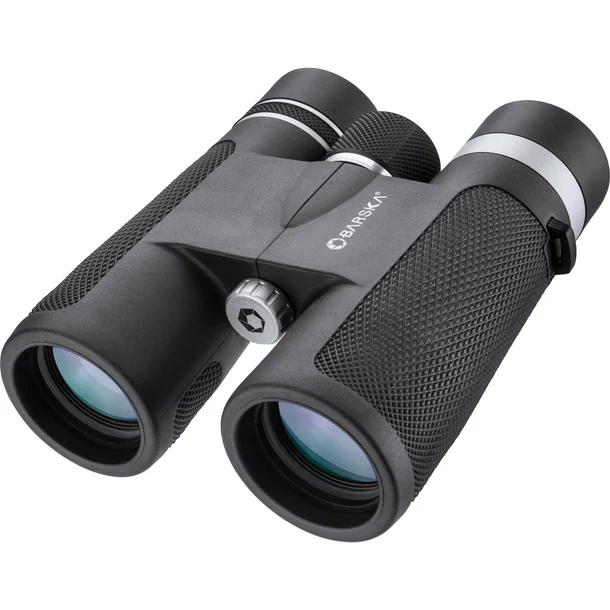
Some brands are known for making quality waterproof roof prism binoculars. These companies focus on durability and clear images. They also offer models with different sizes and features.
Look for brands with good customer reviews and reliable warranties. These brands often have binoculars that perform well in wet and rough conditions.
- Nikon – Known for clear optics and waterproof designs
- Vortex – Offers rugged and reliable waterproof models
- Leica – High-quality lenses with durable waterproof bodies
- Bushnell – Affordable options with good waterproof ratings
- Zeiss – Premium optics and solid waterproof construction
Credit: www.sasonline.ca
Frequently Asked Questions
Are All Roof Prism Binoculars Waterproof?
Not all roof prism binoculars are waterproof. Waterproofing depends on the model and manufacturer specifications. Always check product details before purchasing if waterproofing is essential.
How Do Waterproof Roof Prism Binoculars Work?
Waterproof roof prism binoculars use sealed O-rings and nitrogen gas to prevent water and fog inside. This ensures clear vision even in wet conditions.
Can Roof Prism Binoculars Resist Heavy Rain?
High-quality waterproof roof prism binoculars can resist heavy rain. However, prolonged submersion may damage them. Check the IP rating for water resistance level.
Why Choose Waterproof Roof Prism Binoculars?
Waterproof roof prism binoculars offer durability and clear views in all weather. They are ideal for outdoor activities like birdwatching, hiking, and marine use.
Conclusion
Roof prism binoculars often come with waterproof features. This helps protect them in wet weather or near water. Not all models are waterproof, so check before buying. Waterproofing adds durability and keeps lenses clear. It makes outdoor use easier and more reliable.
Choose binoculars that fit your needs and budget. Good care also extends their life. Remember, waterproof does not mean fully submerged all the time. Use them wisely and enjoy clear views anytime.