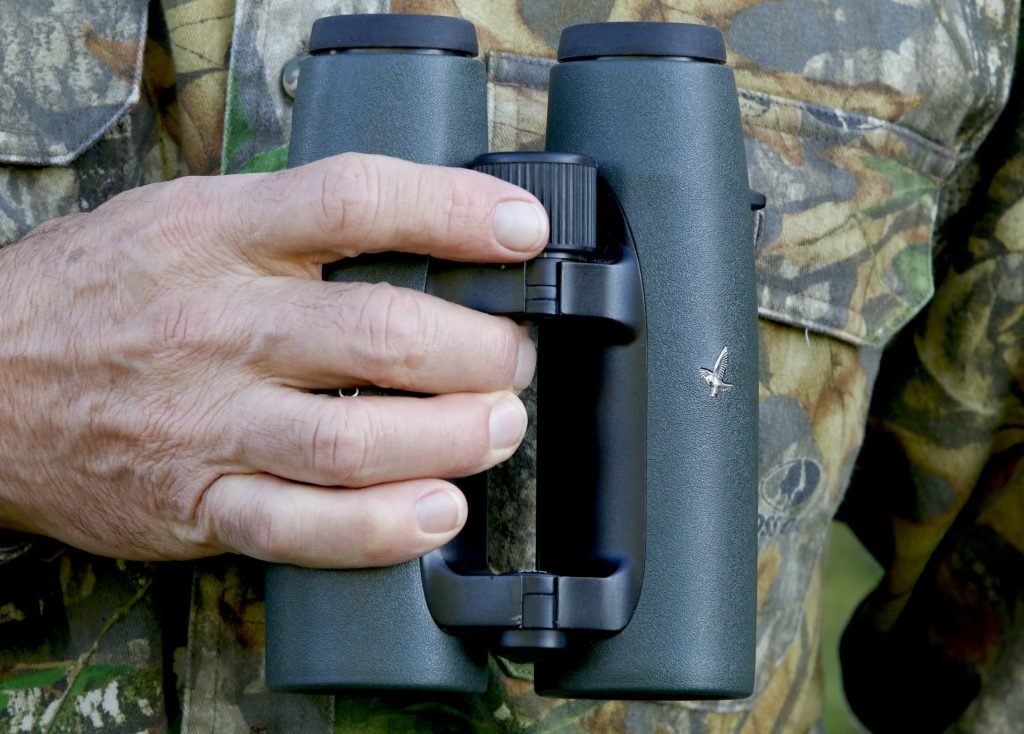
Are you wondering if military binoculars are better than hunting binoculars? Choosing the right binoculars can make a huge difference in your outdoor experience.
Whether you’re tracking game or scanning distant landscapes, you want gear that matches your needs perfectly. But with so many options out there, it’s easy to feel confused. You’ll discover the key differences between military and hunting binoculars. By the end, you’ll know exactly which one suits your adventures best.
Keep reading to make a smart choice that enhances your vision and your success.
Key Features Of Military Binoculars
Military binoculars differ from hunting binoculars in many ways. They are made for tough conditions and special uses. Understanding their key features helps to see why they are unique.
These binoculars focus on durability, clear vision, and extra functions. These features help soldiers perform well in the field.
Durability And Build Quality
Military binoculars are built to last in rough environments. They use strong materials that resist damage from drops and impacts.
They are often waterproof and fog-proof. This means they work well in rain, snow, or humid conditions without fogging inside the lenses.
- Rugged metal or reinforced plastic bodies
- Waterproof seals and coatings
- Shock-resistant design
- Rubber armoring for extra grip and protection
Optical Performance
Military binoculars offer clear and bright images. They use high-quality lenses and coatings to reduce glare and improve visibility.
The optics provide sharp focus even at long distances. This helps soldiers spot details far away in low light or harsh conditions.
- High magnification and wide field of view
- Multi-coated lenses for better light transmission
- Sharp image quality with minimal distortion
- Good performance in low light or darkness
Specialized Functions
Military binoculars have extra features for tactical use. These functions help with navigation and communication during missions.
Some models include rangefinders, night vision, or compass tools. These features make them more useful than standard hunting binoculars.
- Built-in rangefinders to measure distance
- Night vision or infrared capabilities
- Integrated compass for direction
- Eye relief for use with goggles or glasses
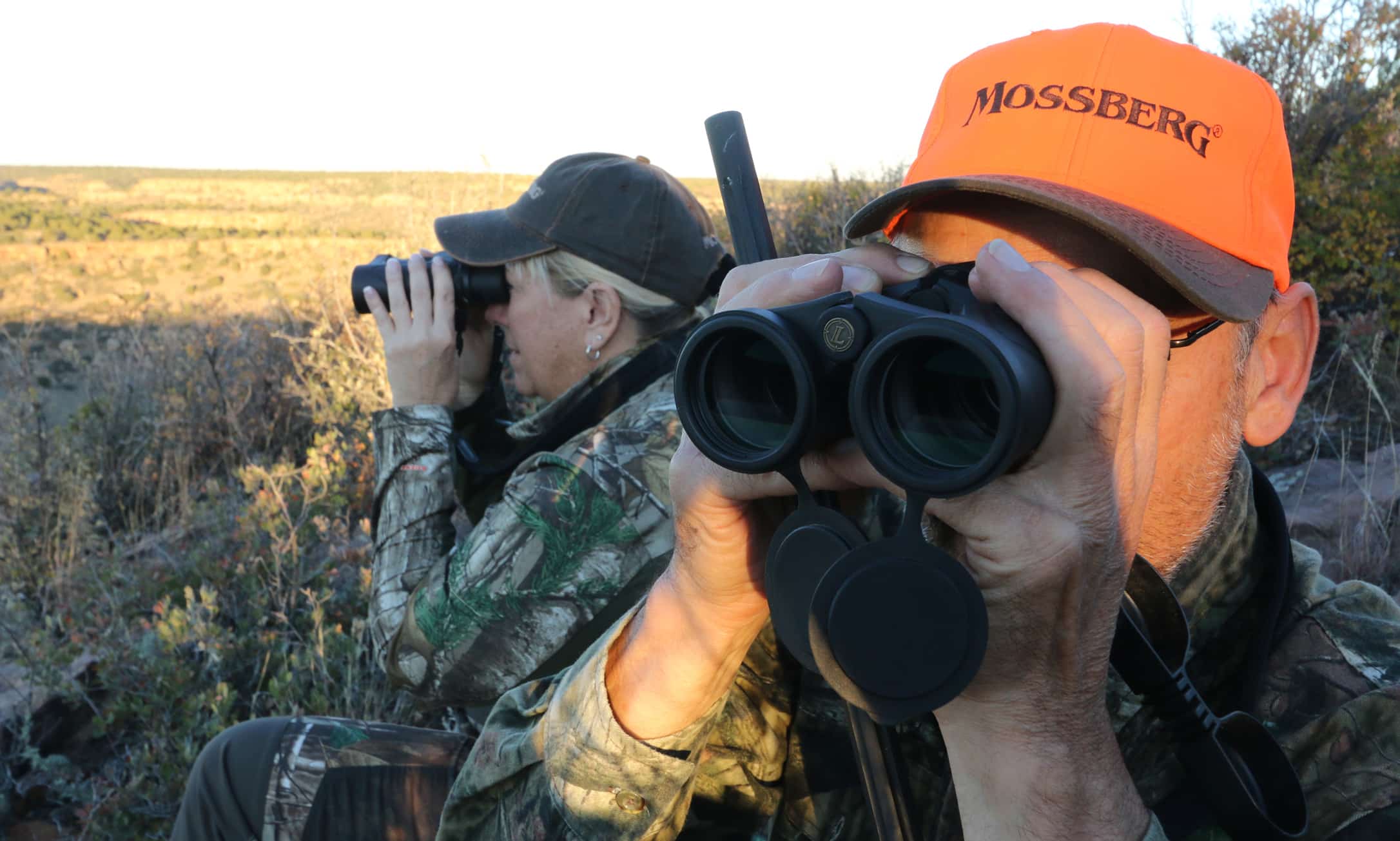
Credit: www.huntstand.com
Key Features Of Hunting Binoculars
Hunting binoculars have special features that help hunters see far away animals clearly. These features make them different from other binoculars.
Knowing these key features can help you choose the right binoculars for hunting trips. The focus is on ease of use and clear vision in nature.
Lightweight And Portability
Hunting binoculars are often lightweight so hunters can carry them all day. Heavy binoculars can cause fatigue and slow you down.
Portability means the binoculars fit easily in a backpack or hang comfortably around the neck. This helps hunters move quietly and quickly.
- Compact size for easy carrying
- Light materials like aluminum or plastic
- Straps or cases for secure transport
Image Clarity And Brightness
Clear images help hunters spot animals from far away. Bright lenses improve vision in low light, like dawn or dusk.
Good hunting binoculars use special glass and coatings to reduce glare and increase sharpness. This gives a clear and bright view.
- High-quality glass for sharp images
- Coated lenses to increase brightness
- Reduced glare for better contrast
Field Of View And Focus Speed
A wide field of view helps hunters see more area at once. This is useful to spot moving animals quickly.
Fast focus lets hunters adjust the view quickly. This is important when the subject is moving or far away.
- Wide viewing angle for better coverage
- Quick focus mechanism for fast adjustments
- Easy to use focus wheel or ring
Comparing Durability And Design
Military and hunting binoculars serve different needs. Their durability and design reflect these differences. This guide compares them in two key areas.
Understanding these features helps you pick the right binoculars for your activity. Durability is vital for long use in tough conditions.
Weather Resistance
Military binoculars often face harsh weather. They usually have strong water and fog resistance. Hunting binoculars also resist weather but with less strict standards.
- Military binoculars are fully waterproof and fog-proof.
- They use nitrogen or argon gas to stop fog inside lenses.
- Hunting binoculars may be water-resistant but less sealed.
- Both types have coatings to repel rain and dust.
Material And Construction
Military binoculars are made to survive rough use. They have tough outer shells and shockproof designs. Hunting binoculars focus more on weight and comfort.
| Feature | Military Binoculars | Hunting Binoculars |
|---|---|---|
| Body Material | High-strength aluminum or magnesium alloy | Plastic or rubber composites for lightness |
| Shock Resistance | High; can withstand drops and impacts | Moderate; designed for careful handling |
| Weight | Heavier due to strong materials | Lighter for easy carrying |
| Grip | Textured rubber for firm hold | Soft rubber for comfort |
Comparing Optical Quality
Military and hunting binoculars both help you see far away objects clearly. They use lenses and magnification to improve vision. The quality of these parts affects how well you see.
Military binoculars often face tough conditions. Hunting binoculars focus on nature and animals. Their optical quality shows these different uses.
Magnification And Lens Size
Magnification tells how much closer objects appear. Lens size affects how much light enters the binoculars. Bigger lenses mean brighter and clearer images.
Military binoculars usually have moderate magnification, around 7x to 10x. This balance helps keep images steady. Hunting binoculars can have higher magnification, up to 12x or more, for spotting animals far away.
- Military binoculars: 7x to 10x magnification, medium lens size
- Hunting binoculars: 8x to 12x magnification, larger lens size
- Bigger lenses improve brightness but increase weight
Night Vision And Low Light Performance
Military binoculars often include night vision or infrared features. These help see in dark or very low light. Hunting binoculars usually focus on good low light performance without night vision.
High-quality coatings on lenses improve light transmission. This makes images brighter at dawn or dusk for hunters. Military models rely on electronic aids for clear night vision.
- Military binoculars: night vision, infrared technology
- Hunting binoculars: excellent lens coatings, low light clarity
- Night vision adds weight and requires power
Specialized Features And Technology
Military and hunting binoculars use special features and technology. These make them fit for their tasks. Understanding these differences helps you choose the right pair.
This section looks at rangefinding and compass tools. It also covers image stabilization. These features affect performance and ease of use.
Rangefinding And Compass
Military binoculars often have built-in rangefinders. These tools measure distance to a target quickly. A compass is also common to show direction.
- Rangefinders use lasers or optics to gauge distance.
- Military compasses help with navigation in unknown areas.
- Hunting binoculars may lack these tools or have simple versions.
- Rangefinding helps plan shots or movements precisely.
- Compasses assist in tracking or returning to a base.
Image Stabilization
Image stabilization reduces shaking in the view. It is key for clear images at high zoom levels. Military binoculars commonly include this feature.
| Feature | Military Binoculars | Hunting Binoculars |
| Image Stabilization | Usually included | Rarely included |
| Purpose | Clear view during movement | Mostly steady shooting positions |
| Benefit | Better target identification | Less critical in many cases |

Credit: www.amazon.ca
Price And Value Considerations
Choosing between military binoculars and hunting binoculars depends on your budget and needs. Both types offer different features and prices.
Understanding their cost and value can help you decide which one fits you best.
Cost Differences
Military binoculars usually cost more than hunting binoculars. They use tough materials and extra features for rough use.
Hunting binoculars focus on clear images and lighter weight, so they often come at a lower price.
- Military binoculars have rugged designs and special coatings.
- Hunting binoculars offer good optics at affordable prices.
- Extra features in military models raise the cost.
- Hunting versions often balance quality and price well.
Suitability For Different Users
Military binoculars suit users needing durability and advanced tools. They work well in tough environments.
Hunting binoculars fit casual users wanting good views without heavy costs. They are easier to carry for long times.
- Military binoculars are ideal for soldiers and outdoor professionals.
- Hunting binoculars work well for hunters and nature watchers.
- Military models may be too heavy for casual use.
- Hunting binoculars offer good value for everyday activities.
Best Use Cases For Each Type
Military binoculars and hunting binoculars serve different purposes. Each type has features suited to its main use. Understanding these helps you pick the right binoculars for your needs.
Military binoculars focus on durability and advanced optics. Hunting binoculars emphasize clarity and comfort for long hours outdoors.
Military Operations
Military binoculars are built tough to handle harsh environments. They often have night vision or thermal imaging options. This helps soldiers see clearly in low light or bad weather.
These binoculars usually have rangefinders and compass features. They allow quick target identification and navigation. Military binoculars also resist shock and water damage.
- Strong and durable design
- Night vision or thermal imaging
- Built-in rangefinders and compasses
- Waterproof and shock resistant
Hunting And Wildlife Observation
Hunting binoculars provide clear, sharp images for spotting animals. They have wide lenses to gather more light at dawn or dusk. This helps hunters see details from far away.
These binoculars are lightweight and easy to carry. They often include anti-fog and waterproof features. Comfort is important since hunters use them for long hours.
- Clear, bright optics for detail
- Wide lenses for low light
- Lightweight and comfortable
- Anti-fog and waterproof coatings

Credit: www.petersenshunting.com
Frequently Asked Questions
What Makes Military Binoculars Different From Hunting Ones?
Military binoculars often have rugged, durable designs with advanced features like rangefinders and night vision. Hunting binoculars focus more on clarity and lightweight portability for easier carrying in the field.
Are Military Binoculars Better For Long-distance Viewing?
Yes, military binoculars usually offer higher magnification and advanced optics, making them better suited for long-distance observation. Hunting binoculars prioritize a balance between magnification and field of view.
Can I Use Hunting Binoculars For Military Purposes?
Hunting binoculars can be used for military tasks but may lack durability and specialized features. Military binoculars are designed to withstand harsh conditions and provide tactical advantages.
Do Military Binoculars Have Better Night Vision Capabilities?
Military binoculars often include night vision or infrared capabilities for low-light conditions. Hunting binoculars typically do not have night vision but may perform well in dawn or dusk light.
Conclusion
Military binoculars offer durability and advanced features for tough conditions. Hunting binoculars focus on clear images and ease of use in nature. Each type serves different needs and environments. Choose based on where and how you plan to use them.
Think about weight, size, and lens quality too. Both types can work well if matched to your activity. Decide what matters most for your outdoor experience. Simple, practical choices lead to better results.