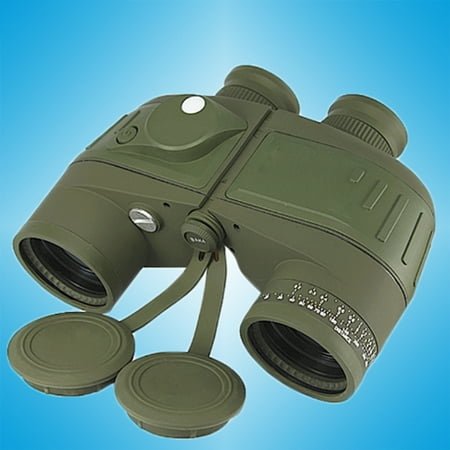
Are you worried that your close-focus binoculars might break easily? You’re not alone.
Many people love using these handy tools for birdwatching, hiking, or just exploring nature up close—but they often wonder if they’re too fragile for everyday use. What if you could enjoy sharp, clear views without constantly fearing damage? You’ll discover the truth about how sturdy close-focus binoculars really are and learn simple tips to keep yours safe and working perfectly for years.
Keep reading—your perfect outdoor companion is closer than you think.

Credit: www.amazon.ca
Close-focus Binoculars Basics
Close-focus binoculars let you see objects that are very near. They have a special design to focus on things just a few feet away.
These binoculars are different from regular ones. They help you see details of small objects close by.
Key Features
Close-focus binoculars have lenses that allow very short focus distances. This feature helps you see objects clearly at close range.
They are often lightweight and easy to handle. Their design supports sharp images both near and far.
- Focus distance as close as 2 to 6 feet
- High-quality optics for clear images
- Compact and portable design
- Durable build but may be delicate
Typical Uses
People use close-focus binoculars for observing small and nearby things. They are helpful for many outdoor and indoor activities.
These binoculars work well for nature watching and hobbies that need detailed views at close range.
- Bird watching and insect observation
- Flower and plant study
- Sports events and concerts
- Art and museum viewing
Materials And Build Quality
Close-focus binoculars need strong materials to last long. The build quality affects how well they resist damage.
Good materials help protect lenses and body parts from scratches and shocks. This makes binoculars less fragile.
Lens And Body Construction
The lenses use special glass that resists scratches and cracks. Coatings on lenses improve clarity and protect them.
The body is often made from metal or strong plastic. Rubber coatings add grip and shock absorption to protect internal parts.
- High-quality glass for clear vision
- Scratch-resistant lens coatings
- Metal or reinforced plastic body
- Rubber armor for extra protection
Durability Standards
Many binoculars meet military or industrial durability standards. These tests check for water resistance and shock proofing.
Close-focus binoculars that meet these standards handle rough use better. They resist dust, moisture, and accidental drops.
- Water and fog resistant seals
- Shockproof internal design
- Dustproof casing
- Tested for drops and impacts
Common Fragility Concerns
Close-focus binoculars are handy for viewing objects up close. Many wonder if they are fragile and need extra care. Understanding their common weak points helps in using them safely.
This guide looks at two main fragility concerns: the lenses and the mechanical parts. Knowing these can help you avoid damage and keep your binoculars working well.
Lens Vulnerability
The lenses in close-focus binoculars are sensitive. They can scratch or crack if not handled carefully. Dirt and moisture can also harm the lens coatings, reducing image quality.
- Scratches from rubbing or dropping
- Cracks from impacts or pressure
- Smudges and dirt that blur vision
- Moisture causing fog or mold inside
- Damage to lens coatings from harsh cleaning
Mechanical Parts Risks
Mechanical parts like hinges and focusing knobs can wear out or break. Rough use may cause misalignment or stiffness. Dirt and dust can also affect smooth movement.
| Part | Common Problem | Effect |
| Hinges | Loose or stiff | Difficulty adjusting eye distance |
| Focusing knob | Jammed or loose | Hard to focus clearly |
| Eyecups | Broken or loose | Uncomfortable viewing |
| Seals | Worn or damaged | Water or dust entering binoculars |

Credit: www.amazon.ca
Comparing Fragility With Standard Binoculars
Close-focus binoculars let you see objects up close clearly. Some people wonder if they are more fragile than standard binoculars.
This article compares their fragility and explains the reasons behind it. We look at design and impact resistance.
Design Differences
Close-focus binoculars have lenses that move more to focus on nearby objects. This makes their design more complex than standard binoculars.
The extra moving parts can make them a bit more delicate. Standard binoculars have simpler lens systems and fewer moving parts.
- Close-focus binoculars have flexible lens systems.
- Standard binoculars use fixed or less movable lenses.
- More moving parts can increase fragility risk.
- Design quality affects durability for both types.
Impact Resistance
Both types usually have rubber armor to protect against drops and shocks. The armor helps reduce damage from impacts.
Close-focus binoculars may be slightly less impact-resistant because of their delicate internal parts. Standard binoculars often handle rough use better.
- Rubber armor protects all binoculars from bumps.
- Close-focus models need careful handling due to moving lenses.
- Standard binoculars tolerate drops and shocks well.
- Impact resistance depends on brand and build quality.
Maintenance Tips To Enhance Longevity
Close-focus binoculars need care to last a long time. Proper maintenance protects their lenses and mechanics.
Simple habits help keep your binoculars working well. Clean and store them carefully after use.
Cleaning Best Practices
Clean your binoculars gently to avoid damage. Use soft materials and avoid harsh chemicals.
Remove dust and dirt with a soft brush or air blower first. Then, wipe lenses with a microfiber cloth.
- Use a lens cleaning solution made for optics
- Do not use paper towels or tissues on lenses
- Clean only when binoculars are dry
- Avoid touching lenses with fingers
Storage Recommendations
Store binoculars in a dry, cool place to prevent damage. Keep them away from direct sunlight and moisture.
Use a protective case to avoid dust and bumps. Remove batteries if storing for a long time.
- Keep binoculars in a padded case
- Store in a dry area with low humidity
- Do not leave binoculars in hot cars
- Check and replace batteries regularly

Credit: www.cafr.ebay.ca
User Experiences And Reviews
Close-focus binoculars allow users to see objects very near. Many people wonder if these binoculars are fragile. User experiences help us understand their durability.
Reviews show how these binoculars perform in real life. They share what users like and what problems they face.
Positive Feedback
Many users say close-focus binoculars feel solid and well-made. They often mention good build quality and strong materials.
People like that these binoculars hold up well during outdoor activities. They say the focus mechanism works smoothly without breaking.
- Sturdy frame that resists drops
- Clear images even at close range
- Good rubber coating for grip and protection
- Reliable focus adjustment over time
Reported Issues
Some users mention that close-focus binoculars can be sensitive to strong impacts. Dropping them may cause lens misalignment.
Others report that the focus wheel may become stiff or loose after heavy use. Some say the binoculars feel less durable if they are very light.
- Lens fogging in humid conditions
- Focus wheel stiffness after rough handling
- Scratches on lenses without proper care
- Damage from drops or heavy pressure
Frequently Asked Questions
Are Close-focus Binoculars More Fragile Than Regular Ones?
Close-focus binoculars are not inherently more fragile. Their design allows closer viewing but uses similar durable materials. Proper care and handling keep them in good condition.
How Can I Protect Close-focus Binoculars From Damage?
Use a padded case and avoid dropping or exposing them to water. Clean lenses gently with a microfiber cloth to prevent scratches.
Do Close-focus Binoculars Require Special Maintenance?
No special maintenance is needed. Regular cleaning and safe storage protect them. Check for loose parts occasionally to maintain optimal performance.
Can Close-focus Binoculars Withstand Outdoor Conditions?
Most quality close-focus binoculars are water-resistant and shockproof. However, extreme weather or rough handling can cause damage. Use protective gear when outdoors.
Conclusion
Close-focus binoculars can be sturdy if handled with care. They often have strong lenses and solid frames. Dropping or rough use may cause damage. Choosing quality models helps avoid fragility issues. Carrying them in a protective case is smart. Regular cleaning and careful storage extend their life.
So, treat your binoculars gently for lasting use. Enjoy clear views without worry.