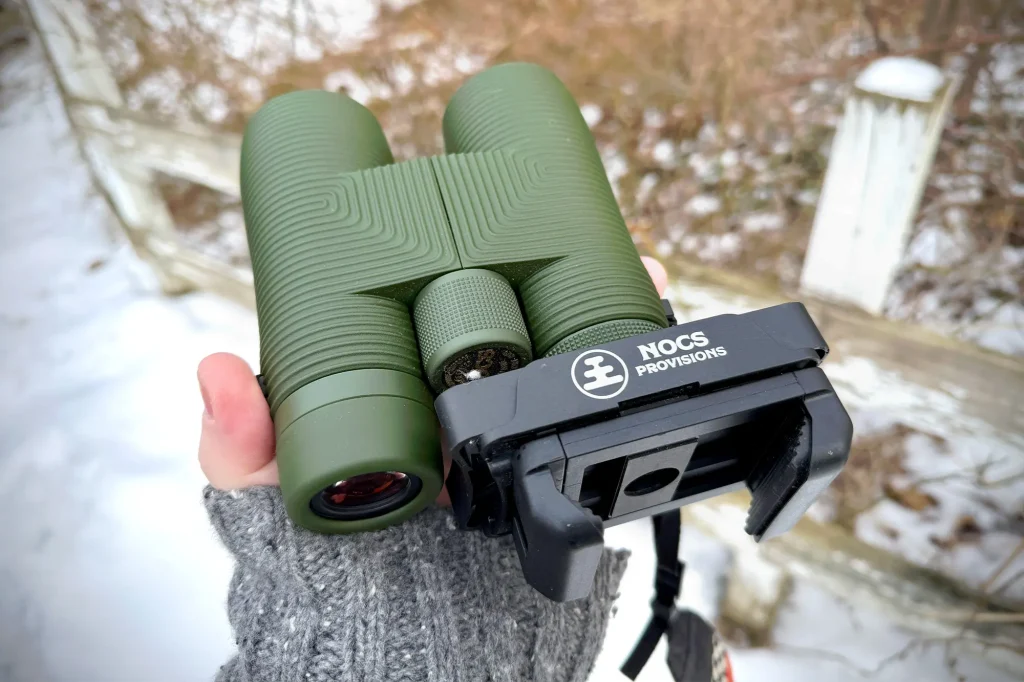
Have you ever pulled out your camping binoculars, only to find them fogged up and useless? Condensation inside your binoculars can ruin your outdoor experience, making it hard to see clearly when you need it most.
But don’t worry—there are simple steps you can take to keep your lenses clear and your view sharp. You’ll discover easy and effective ways to avoid condensation inside your camping binoculars, so you can enjoy every moment of your adventure without frustration.
Keep reading to learn how to protect your gear and get the best performance every time you head outdoors.
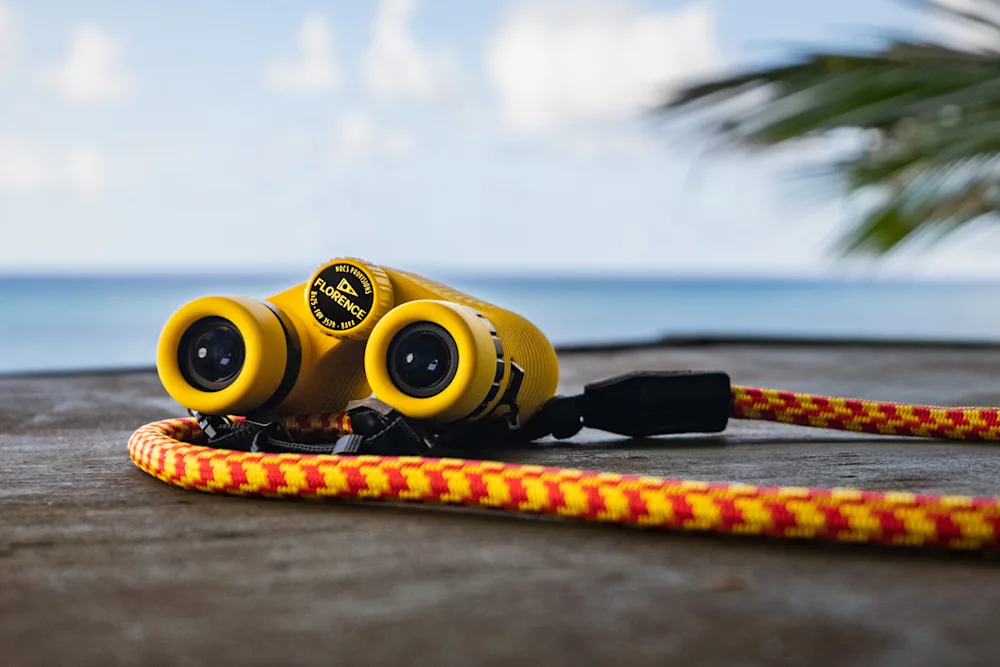
Credit: www.fieldmag.com
Causes Of Condensation
Condensationhappens when warm air meets cold surfaces inside binoculars. This causes tiny water droplets to form on lenses.
Temperature fluctuationsplay a big role. Moving binoculars from cold to warm places quickly causes moisture to build up inside.
Humidity levelsalso matter. High moisture in the air increases the chance of condensation forming inside your binoculars.
Improper storagecan trap moisture. Keeping binoculars in damp or unventilated places makes condensation more likely.
Preventive Measures
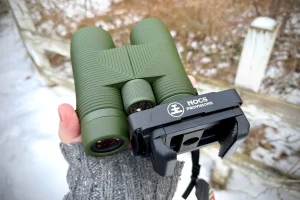
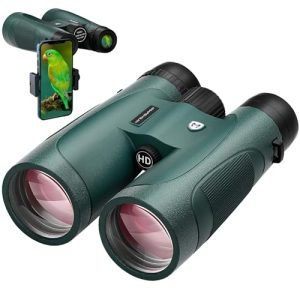
Choosing binoculars with waterproof and fog-proof featureshelps avoid condensation. Look for models with nitrogen or argon gas fillinginside the lenses. These gases stop moisture from building up.
Using protective covers shields binoculars from rain and dew. Covers made of soft, waterproof materialprotect the lenses and body. Always put covers on when not in use.
Regular maintenance keeps binoculars dry and clear. Wipe lenses gently with a clean, soft cloth. Store binoculars in a dry, cool place. Avoid leaving them in a hot or humid environment. Check seals often to ensure they are tight.
Storage Techniques
Store binoculars in a cool, dry placeto prevent moisture build-up. Avoid areas with high humidity or sudden temperature changes.
Using desiccantslike silica gel packs inside the storage case helps absorb moisture. Replace these packs regularly to keep them effective.
Pack binoculars carefully in their case, ensuring a snug fit. Avoid tight wrapping that traps moisture or air pockets that allow condensation.
Handling Tips
Keep binoculars away from sudden temperature changes. Moving binoculars quickly between cold and warm places causes condensation inside. Store binoculars in a sealed plastic bag when bringing them indoors from cold weather. This helps them warm up slowly.
- Hold binoculars gently to avoid damage.
- Do not touch lenses with dirty or oily hands.
- Use lens caps when not in use to prevent dust and moisture.
Clean binocular lenses with a soft cloth made for optics. Avoid using rough materials that scratch lenses. Use a small amount of lens cleaner, not household cleaners. Dry binoculars completely before storing to stop moisture build-up.
Product Recommendations
Weatherproof binocularsare built to resist moisture and fog. They have sealed bodies to keep water out. Most models come with rubber coatings for better grip and protection.
Some popular models with anti-fog featuresinclude:
- Binoculars with nitrogen or argon gas filling to stop fog inside lenses.
- Coated lenses that reduce moisture buildup.
- Eyecups that prevent moisture from entering the eye area.
Accessories help protect your binoculars from condensation too:
- Lens caps keep dust and moisture off the lenses.
- Silica gel packs absorb moisture inside storage cases.
- Protective cases shield binoculars from rain and humidity.

Credit: www.amazon.com

Credit: www.youtube.com
Frequently Asked Questions
How Does Condensation Form Inside Camping Binoculars?
Condensation forms when warm, moist air meets cooler lens surfaces inside binoculars. This causes water droplets to collect, impairing visibility. It often happens during temperature changes or high humidity.
Can I Prevent Condensation With Waterproof Binoculars?
Yes, waterproof binoculars have sealed bodies and nitrogen or argon gas inside. These features prevent moisture from entering and reduce internal fogging during camping trips.
What Is The Best Way To Dry Binoculars With Condensation?
Use a soft, dry cloth to wipe external lenses gently. For internal condensation, store binoculars in a dry place with silica gel packs to absorb moisture over time.
Should I Use Anti-fog Sprays On Camping Binoculars?
Anti-fog sprays can help reduce external fogging on lenses. However, they don’t prevent internal condensation. Use them cautiously and follow manufacturer guidelines to avoid lens damage.
Conclusion
Condensation inside camping binoculars can spoil your view. Keep your binoculars dry and store them in a sealed bag. Use silica gel packs to absorb moisture during trips. Wipe lenses gently with a soft cloth after use. Avoid sudden temperature changes to prevent fogging.
Regular care helps your binoculars last longer. Enjoy clear, sharp images every time you explore outdoors. Small steps make a big difference in protecting your gear. Stay prepared and keep your binoculars ready for any adventure.