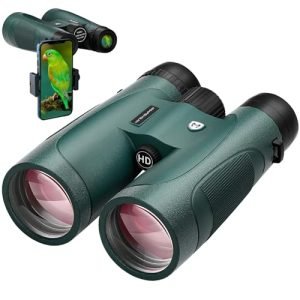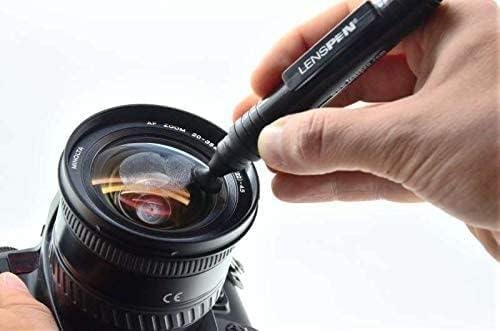
Have you ever picked up your binoculars only to find greasy smudges and fingerprints clouding your view? It’s frustrating when your clear sight turns blurry just because of dirty lenses.
But don’t worry—cleaning your binocular lenses properly is easier than you think. You’ll discover simple, effective ways to remove grease and fingerprints without damaging your gear. Keep reading to get your binoculars crystal clear again and enjoy every detail of your next adventure.

Credit: www.facebook.com
Common Causes Of Grease And Fingerprints
Binoculars often get greasy due to frequent handling. Fingers leave oils and prints on the lenses. Even clean hands can transfer sweat. These marks can affect clarity. Touching the lensesdirectly is a common mistake. Always hold binoculars by their body. Using a case or pouch helps protect them. Regular cleaningis essential to keep lenses clear.
Outdoor use exposes binoculars to dirt. Wind can carry dust onto the lenses. Humiditycan cause fogging and smudges. Rain and water splashes leave marks. Outdoor adventuresneed extra care. A lens cloth can help remove these smudges. A protective cover is useful during travel.

Credit: www.facebook.com
Essential Cleaning Supplies
Cleaning binocular lenses needs the right tools. Using soft microfiber clothshelps avoid scratches. These cloths gently wipe away grease and fingerprints without harm.
Lens cleaning solutionsare made to remove smudges safely. Use solutions made for optics only. Never use household cleaners; they can damage lenses.
Air blowers and brushesclear dust and dirt from lenses. Air blowers push dust off without touching the lens. Soft brushes remove particles from edges and corners.
Step-by-step Cleaning Process
Gently blow away dust from the lenses before wiping them with a soft, clean cloth. Use lens cleaner or a mix of water and mild soap to remove grease and fingerprints without scratching. Dry the lenses with a microfiber cloth for a clear, streak-free view.
Removing Loose Dust
Start by gently blowing off any loose dust on the lenses. Use a soft brush or a clean, dry microfiber cloth. Avoid using fingers or rough materials that can scratch the glass. This step prevents dirt from scratching the lenses during cleaning.
Applying Cleaning Solution
Use a cleaning solution made for optics. Apply a small amount to a clean microfiber cloth. Do not spray the solution directly on the lenses to avoid moisture inside the binoculars. The solution helps break down grease and fingerprints easily.
Wiping Techniques For Lenses
- Use gentle, circular motions to wipe the lens surface.
- Start from the center and move outward to avoid streaks.
- Do not press hard; light pressure is enough.
- Use a dry part of the cloth to remove any leftover moisture.
Tips To Avoid Lens Damage
Use soft, lint-free clothslike microfiber for cleaning lenses. Avoid paper towels or rough fabrics that can scratch the lens surface. A gentle brush can remove loose dust before wiping.
Choose cleaning solutions made for optics or just use a little distilled water. Harsh chemicals like ammonia or alcohol can damage the lens coating. Avoid sprays with strong solvents.
- Always apply cleaner to the cloth, not directly on the lens.
- Use light, circular motions to remove grease and fingerprints.
- Let lenses air dry or gently pat with a clean cloth.
Preventive Measures For Cleaner Lenses
Store binoculars in a clean, dry place to avoid dust and dirt. Use a protective case to keep lenses safe from scratches and fingerprints. Avoid placing binoculars with the lens facing down on rough surfaces.
Always hold binoculars by the body, not the lenses. Clean hands before touching lenses to reduce grease and oils. Avoid touching lenses directly; use a lens cloth if needed.

Credit: chemicalformulaservices.com
When To Seek Professional Cleaning
Professional help is needed when grease or fingerprints deeply stain lenses or cleaning tools risk damage. Experts use safe methods to restore clarity without harming delicate coatings.
Signs Of Persistent Smudges
Smudges that do not come offwith gentle cleaning need expert help. If grease or fingerprints stay after wiping, lenses may need special care. Cloudy or blurry views can also mean dirt is inside the lens. Avoid rubbing hard as it may cause damage. Professionals use safe tools to clean without harm.
Dealing With Scratches And Damage
Scratches can worsen if not treated correctly. Deep scratches often need professional repair or lens replacement. Cracks or chips affect image quality and can let in dust and moisture. Experts can check for internal damage and fix it properly. Using the right cleaning method prevents making damage worse.
Frequently Asked Questions
How Do I Safely Clean Binocular Lenses?
Use a soft microfiber cloth and lens cleaning solution. Avoid harsh chemicals or rough materials that can scratch lenses. Gently wipe in a circular motion to remove grease and fingerprints.
What Household Items Remove Fingerprints From Lenses?
Distilled water and a small amount of mild soap can work. Dampen a microfiber cloth with this mix and wipe lenses carefully. Avoid using tap water or abrasive materials.
Can I Use Lens Cleaning Wipes For Binoculars?
Yes, lens cleaning wipes designed for optics are safe and effective. They remove grease and fingerprints without damaging coatings. Use single-use wipes to avoid dirt buildup.
How Often Should I Clean Binocular Lenses?
Clean lenses only when visibly dirty or greasy. Over-cleaning can wear lens coatings. Regularly inspect lenses and clean gently as needed for clear viewing.
Conclusion
Keeping your binocular lenses clean improves your viewing experience greatly. Use a soft cloth and gentle cleaner to avoid scratches. Clean lenses let you see clear, sharp images every time. Avoid touching lenses with dirty or oily fingers to prevent smudges.
Regular cleaning helps protect your binoculars and extends their life. Simple care steps make a big difference in lens quality. Enjoy crisp views during every outdoor adventure. Clean lenses, clear vision—easy and worth it.