Your hunting scope is your most trusted companion in the field, helping you aim true and make every shot count. But what happens when it gets damaged or starts to show signs of wear?
You don’t have to rush out to replace it or spend a fortune on repairs. With the right repair kit and a little know-how, you can fix many common issues yourself—saving time, money, and frustration. In this guide, you’ll discover simple, step-by-step ways to use repair kits for hunting scopes.
By the end, you’ll feel confident handling minor repairs and keeping your gear in top shape, so nothing stands between you and a successful hunt. Keep reading to learn how to protect your investment and get your scope working like new again.

Credit: store.fixitsticks.com
Choosing The Right Repair Kit
Repair kits come in different types. Some are basic, others are advanced. Basic kits may have simple tools. Advanced kits have more options for fixing. Always check the contents of the kit. Make sure it has what you need.
A good repair kit has essential tools. It includes screwdrivers and cleaning cloths. Lubricants are also important. Other materials include small screws and glue. These help in fixing broken parts. Always look for quality materials. They ensure better repairs.
Not all kits fit every scope. Check the compatibility of the kit. It should match your scope model. Some kits have adjustable parts. They can fit different scopes. Always read the instructions. It helps in choosing the right kit.
Preparing For Repair
Before starting, make sure the scope is clean. Use a soft cloth to wipe off dirt and dust. Avoid using harsh chemicals that can damage lenses.
Collect all needed toolsand parts. Common items include screwdrivers, cleaning brushes, and replacement lenses. Having everything ready saves time.
Create a clean workspacewith good light. A flat surface helps keep small parts from getting lost. Stay organized to work faster and safer.
Common Scope Issues
Lens scratches can blur your view and reduce accuracy. Use a repair kit with a gentle polishing compound to fix small scratches. For deep damage, lens replacement might be necessary. Keep lenses clean to avoid more scratches.
Reticle problems often include fading or misalignment. Some repair kits offer tools to adjust or replace the reticle. Check the reticle position carefully and adjust it to stay accurate.
Adjustment knob malfunctions can stop you from changing focus or zoom. Repair kits may include replacement knobs or cleaning tools. Make sure the knobs turn smoothly after repair.

Credit: fieldethos.com
Step-by-step Repair Process
Small scratches on the lens can blur your view. Use a lens repair solutionor a polishing clothfrom the kit. Gently rub the scratched area in a circular motion. Avoid using too much pressure to prevent more damage.
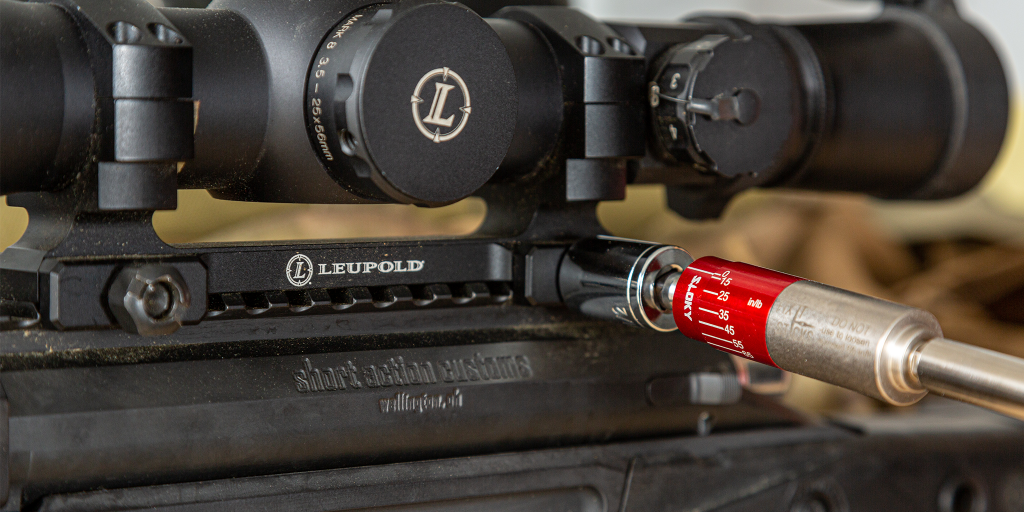
Reticles may need repair or replacement if they look faded or broken. Carefully remove the scope’s outer ring using the tools in the kit. Replace the old reticle with the new one. Make sure it is aligned perfectly before tightening the ring back.
- Knobs control focus and zoom. If they feel loose or hard to turn, check for dirt or damage.
- Use a small screwdriver to remove knobs carefully.
- Clean the area or replace the knob with the new one from the kit.
- Tighten screws gently to avoid stripping them.
Testing And Calibration
Check the scope’s accuracy by aiming at a fixed target. Use a stable rest to hold the rifle steady. Adjust the scope’s windage and elevation knobs. Make small changes and note the effect on the point of impact. Keep track of each adjustment to avoid confusion.
Fine-tuning adjustments involve turning the knobs slowly. Aim at the center of the target after each change. Repeat this process until the bullet hits the bullseye consistently. Make sure the reticle stays clear and sharp during adjustments.
- Test in different light conditions to see how the scope performs.
- Try various distances to confirm accuracy at all ranges.
- Check for any looseness or movement in the scope mounts.
- Practice shooting from different positions, such as standing or prone.
- Record your results to track improvements or issues.
Maintenance Tips For Longevity
Regular cleaningkeeps your hunting scope clear and sharp. Use a soft cloth to wipe dust and dirt gently. Avoid strong chemicals that can damage lenses. Use lens cleaning solution made for optics. Clean the scope after every use to prevent buildup.
Proper storagehelps protect your scope from damage. Store it in a dry place away from direct sunlight. Use a padded case to avoid scratches or bumps. Keep the scope away from extreme heat or cold to maintain its parts.
- Check for loose screws and tighten them carefully.
- Apply a small amount of oil to moving parts to stop rust.
- Avoid dropping or hitting the scope against hard surfaces.
- Use lens caps to protect the glass when not in use.
- Inspect the scope regularly for signs of wear or damage.
When To Seek Professional Help
Major damage signsinclude cracked lenses, loose parts, or blurry view. These issues need expert care to avoid more harm. Small scratches or dirt usually can be fixed at home with repair kits.
Compare repair costswith the price of a new scope. Sometimes repairs cost more than buying new. If repair is cheaper and extends life, it’s worth it.
Choose trusted repair services. Look for places with good reviews and experience in hunting scopes. Ask about their warranty and repair time. Reliable services ensure your scope works well again.
Credit: www.huntingpa.com
Frequently Asked Questions
What Tools Are Needed For Hunting Scope Repair Kits?
Most repair kits include screwdrivers, Allen wrenches, and cleaning cloths. Additional tools like magnifiers or tweezers may help. Always check the kit contents before starting repairs to ensure you have everything necessary.
How Do I Fix A Cracked Lens On My Scope?
Use a lens repair kit with resin or adhesive designed for optics. Clean the lens thoroughly before applying the resin. Allow it to cure completely to restore clarity and prevent further damage.
Can I Repair Scope Reticle Issues With A Kit?
Yes, some kits offer tools to adjust or replace damaged reticles. Follow the instructions carefully, as reticle alignment is delicate. For complex issues, professional repair might be better.
How Long Does It Take To Repair A Hunting Scope?
Simple repairs like tightening screws or cleaning lenses take about 15-30 minutes. More complex fixes, such as replacing parts, may take longer. Always allocate extra time for careful work to avoid mistakes.
Conclusion
Repair kits help keep hunting scopes working well. They save time and money on repairs. Follow the steps carefully for best results. Use the right tools and parts from the kit. Check your scope often to spot any issues early.
Small fixes can stop bigger problems later. Taking care of your scope improves your hunting experience. Practice patience and work slowly for good outcomes. Repairing your scope is easier than you think. Stay prepared and enjoy your time outdoors with a clear view.