You’ve spent countless hours in the field, relying on your hunting scope to give you a clear, accurate view. Now that the season is over, it’s time to give your scope the care it deserves.
Proper maintenance not only keeps your scope in top shape but also ensures it’s ready for your next hunt. You’ll discover simple, effective steps to clean, protect, and store your hunting scope so it lasts for years to come. Keep reading to learn how to protect your investment and improve your hunting experience every time you head out.

Credit: www.gameandfishmag.com
Cleaning Your Hunting Scope
Remove any loose dirt or debris from the scope using a soft brush or cloth. Gently wipe the surface to avoid scratches. Avoid pressing hard on the lens to prevent damage.
Use cleaning solutions made for optics. Avoid household cleaners as they can harm the lens coating. Apply the solution to a cloth, never directly on the scope.
Clean the lens with a microfiber cloth or lens tissue. Use small, circular motions to remove smudges and dust. Keep the cloth clean to avoid rubbing dirt onto the lens.
Inspecting For Damage
Carefully check your hunting scope for scratches, dents, or loose parts after the season. Early damage detection prevents bigger problems and ensures better performance next time.
Checking For Scratches And Cracks
Check your hunting scope for scratches. Scratches can affect your view. Look for any cracksin the glass. Cracks may worsen over time. Use a soft cloth to clean the lens. This helps see damage clearly. Inspect the edges for chips. Chips can make the scope unreliable.
Examining The Mounts And Adjustments
Ensure mounts are tightly fixed. Loose mounts can harm accuracy. Check adjustment knobs for smooth movement. Stiff knobs may need oiling. Examine screws for rust or wear. Rusted screws need replacement. Proper mounts maintain scope stability.
Assessing Waterproof Seals
Test the waterproof seals for leaks. Leaks can damage the scope. Look for cracks around seals. Cracks allow water inside. Check seal material for wear. Worn seals may need replacing. Waterproof seals protect from rain and moisture.
Storage Tips
Choosing the right storage case is essentialfor keeping hunting scopes safe. A hard casewith foam padding offers the best protection against bumps and drops. Soft cases may protect from scratches but not from strong impacts.
Protecting scopes from moisture and dustprevents damage. Store the scope in a dry place. Using silica gel packs inside the case helps absorb moisture. Cover the lenses with caps to keep dust out.
Avoiding extreme temperatures keeps the scope’s parts working well. Store scopes in a place that stays cool and dry. Avoid leaving them in hot cars or cold garages for long times. Sudden temperature changes may cause fogging inside the lens.

Credit: www.petersenshunting.com
Regular Maintenance Practices
Lubricating moving partskeeps the scope working smoothly. Use a small amount of oil on adjustment knobs and mounts. Avoid over-lubricating to prevent dirt build-up. Always use oil made for optics or firearms to protect the materials.
Calibrating the scopeensures accurate shots. Check the scope’s zero regularly by testing it on a target. Adjust the windage and elevation dials as needed. This keeps your aim true after long storage or rough use.
| Professional Servicing | Benefits |
|---|---|
| Annual check-up | Detects and fixes hidden issues early |
| Cleaning by experts | Removes dirt and moisture deep inside |
| Glass inspection | Ensures clear and sharp vision |
Preventing Future Damage
Using scope coversprotects lenses from dirt, dust, and scratches. It also keeps moisture away, which can cause fogging. Always put the cover on when not aiming or moving through thick brush. This simple step helps keep your scope clear and ready for use.
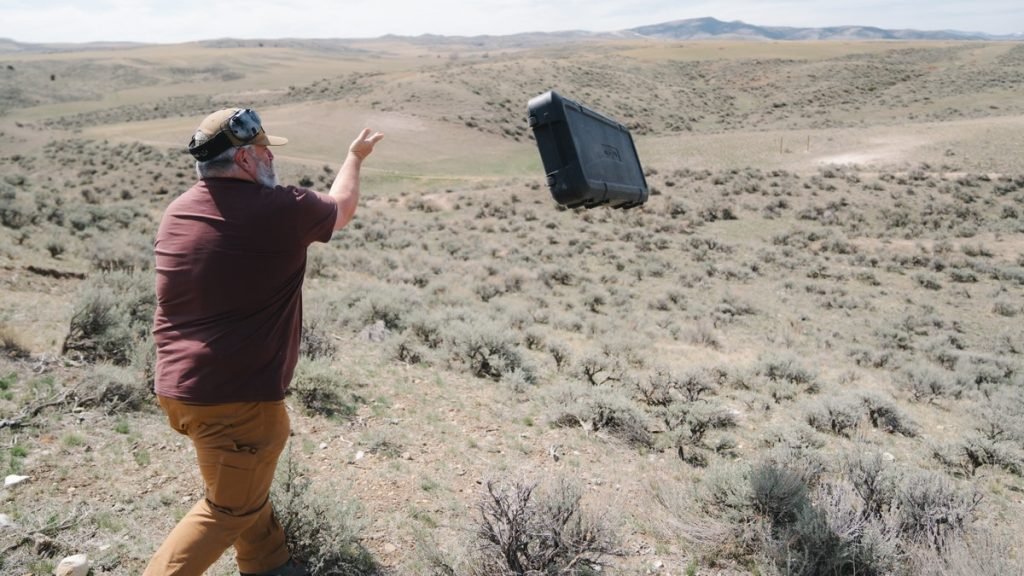
Handle scopes with care in the field. Avoid dropping or bumping them on hard surfaces. Use both hands when adjusting or moving the scope. Treat it gently to keep the internal parts safe and aligned.
Transporting scopes safelyprevents damage during travel. Use padded cases or boxes designed for scopes. Secure the scope inside the case to stop it from moving. Never place heavy items on top of your scope. These habits will keep your scope in good shape for many seasons.

Credit: www.petersenshunting.com
Frequently Asked Questions
How Often Should I Clean My Hunting Scope?
Clean your hunting scope after every hunting season. Use a soft cloth and lens cleaner to remove dirt and moisture. Regular cleaning prevents fogging and damage, ensuring clear vision for future hunts.
What Materials Are Best For Cleaning Scopes?
Use microfiber cloths and lens cleaning solutions designed for optics. Avoid abrasive materials or household cleaners as they can scratch lenses. Proper materials protect the scope’s coating and maintain clarity.
How Do I Protect My Hunting Scope During Storage?
Store scopes in a dry, cool place inside a protective case. Use silica gel packs to absorb moisture and prevent rust. Proper storage extends the scope’s life and keeps it ready for the next season.
Can I Disassemble My Hunting Scope For Maintenance?
It’s best not to disassemble your hunting scope unless you are a professional. Improper disassembly can damage internal components and void warranties. Regular external cleaning is usually sufficient.
Conclusion
Maintaining your hunting scope after the season keeps it ready for next time. Clean it gently to remove dirt and moisture. Store it in a dry, safe place to prevent damage. Check the lenses regularly for scratches or fog. Tighten all screws and adjust settings as needed.
Taking these steps helps your scope last longer and work better. Simple care makes a big difference in performance. Keep your gear in top shape for every hunt ahead.