Ever tried to use a 10x monocular and felt like you were wrestling an earthquake? You're definitely not alone. It seems simple enough, point it at something and look, but trying to keep that magnified view still can be surprisingly tough.
So, what's the deal? Why is a 10x monocular so darn hard to hold steady? It really boils down to a few key things we run into when we magnify our view.
Quick Answer
A 10x monocular is hard to hold steady because magnification amplifies your natural body tremors. Even tiny, involuntary muscle movements become significant wobbles when viewed through a 10x lens. Factors like optical magnification, physiological tremors, and the weight of the device all contribute.
Bracing is key to steadying the view.
The Magnification Effect: Your Body's Tiny Tremors Amplified
Think about it this way: when you look at something with your naked eye, a tiny tremor in your hand is barely noticeable. But when you slap a 10x magnification on it, that same tiny tremor gets amplified ten times. What was a slight wobble becomes a significant jiggle in your field of view.
It’s like the difference between stirring a cup of coffee and stirring a swimming pool. A little nudge in the pool creates a much bigger ripple.
When you're aiming a 10x monocular at a distant subject, you're essentially looking at a magnified version of your own body's slight movements. This inherent characteristic of optics means that the steadier you can be, the clearer your observation. For instance, aggregate reviews report that the perceived steadiness of a handheld device drastically improves as magnification decreases; going from 10x down to 5x makes a noticeable difference for many users.
Understanding Your Natural Tremors: It's Not Your Fault
Let's be honest, we're not machines. Our bodies have natural tremors, we call them physiological tremors. These are tiny, involuntary muscle movements that are totally normal and happen all the time, whether you realize it or not.
Blood Flow and Muscle Fatigue
One of the primary contributors to these natural tremors is the constant, subtle pulsing of blood through your veins. This rhythmic flow creates micro-movements within your muscles and tissues that are amplified when viewed through magnification. Furthermore, even when you're trying your best to remain still, your muscles are working to hold the monocular in place.
This sustained effort leads to muscle fatigue, which in turn can increase the intensity of these involuntary jitters. It's an ongoing battle your body is subtly waging just to maintain a posture.
Breathing's Subtle Influence
Every single breath you take introduces a subtle, yet undeniable, shift in your body's position. As you inhale, your chest expands and your diaphragm moves down, causing a slight rise and forward movement in your torso. When you exhale, the process reverses.
While these movements are imperceptible at lower magnifications or when viewing close objects, they become much more pronounced when looking through a 10x monocular. The magnified image will visibly bounce and shift with each breath cycle, making sustained focus a challenge.
How Weight and Balance Play a Role
Sometimes, the tool itself can make holding it steady more difficult. A 10x monocular, while typically smaller and lighter than a pair of binoculars, still possesses a certain weight and distribution of mass that impacts its stability in your hands.
Manufacturer specifications for many common 10x monoculars indicate weights ranging from 100 to 300 grams. This weight, concentrated in a compact form factor, can create a lever effect. If the balance point of the monocular isn't perfectly aligned with your grip, you'll find yourself constantly making micro-adjustments to counteract its tendency to tip or drift.
This constant physical exertion, coupled with the desire for a steady image, can lead to increased muscle tension. As discussed in our research on biomechanics, overtensing muscles exacerbates physiological tremors, creating a feedback loop that makes steadying the view even harder.
Practical Ways to Achieve a Steady View
Okay, so we've established it's not just you, and there are real reasons why it's tough. But that doesn't mean you're doomed to blurry, shaky views forever. Here are some things that really help, based on what works in practice for observers in various field conditions.
Bracing for Stability: Lean In
The absolute best thing you can do to combat monocular shake is to brace yourself against something solid. Think of it as creating a temporary, stable platform for your viewing device.
- Lean on structures: A tree trunk, a sturdy fence post, a rock outcropping, or even the side of your car can provide an excellent anchor. Rest your elbow or even the body of the monocular itself against it.
- Utilize your surroundings: In an urban environment, a low wall or a railing can be your best friend. In the wild, a fallen log can offer a much-needed point of support.
This simple act of connecting to a stable external object drastically reduces the micro-movements your arms and hands introduce. It’s the most effective immediate solution for most users.
Using Your Body as a Natural Support
When external bracing isn't readily available, you can often use your own body to create a more stable shooting platform. These techniques require a bit of practice but can significantly improve your steadiness.
- Elbow to Side: Tuck your monocular-holding elbow firmly into your side. This anchors your arm and reduces the range of motion that your hand can introduce into the view.
- Cheek Weld: Press the monocular firmly against your cheekbone. This provides a stable pivot point and helps align your eye directly with the eyepiece, reducing the need for awkward adjustments.
- Stance: Adopt a stable stance, perhaps with your feet shoulder-width apart and one foot slightly forward. This distributes your weight and makes you less prone to subtle swaying.
These methods require conscious effort but are invaluable when you need to hold steady without external aids.
The Magnification Effect: Your Body's Tiny Tremors Amplified
Think about it this way: when you look at something with your naked eye, a tiny tremor in your hand is barely noticeable. But when you slap a 10x magnification on it, that same tiny tremor gets amplified ten times. What was a slight wobble becomes a significant jiggle in your field of view.
It’s like the difference between stirring a cup of coffee and stirring a swimming pool. A little nudge in the pool creates a much bigger ripple.
When you're aiming a 10x monocular at a distant subject, you're essentially looking at a magnified version of your own body's slight movements. This inherent characteristic of optics means that the steadier you can be, the clearer your observation. For instance, aggregate reviews report that the perceived steadiness of a handheld device drastically improves as magnification decreases; going from 10x down to 5x makes a noticeable difference for many users.
If you're comparing optical devices, remember that higher magnification inherently demands greater stability.
Understanding Your Natural Tremors: It's Not Your Fault
Let's be honest, we're not machines. Our bodies have natural tremors, we call them physiological tremors. These are tiny, involuntary muscle movements that are totally normal and happen all the time, whether you realize it or not.
They're a fundamental part of our physiology.
Blood Flow and Muscle Fatigue
One of the primary contributors to these natural tremors is the constant, subtle pulsing of blood through your veins. This rhythmic flow creates micro-movements within your muscles and tissues that are amplified when viewed through magnification. Furthermore, even when you're trying your best to remain still, your muscles are working to hold the monocular in place.
This sustained effort leads to muscle fatigue, which in turn can increase the intensity of these involuntary jitters. It's an ongoing battle your body is subtly waging just to maintain a posture. This physiological reality means that a certain baseline level of movement is unavoidable without external stabilization.
Breathing's Subtle Influence
Every single breath you take introduces a subtle, yet undeniable, shift in your body's position. As you inhale, your chest expands and your diaphragm moves down, causing a slight rise and forward movement in your torso. When you exhale, the process reverses.
While these movements are imperceptible at lower magnifications or when viewing close objects, they become much more pronounced when looking through a 10x monocular. The magnified image will visibly bounce and shift with each breath cycle, making sustained focus a challenge. This is why many experts recommend synchronizing your holding with your exhalation phase.
How Weight and Balance Play a Role
Sometimes, the tool itself can make holding it steady more difficult. A 10x monocular, while typically smaller and lighter than a pair of binoculars, still possesses a certain weight and distribution of mass that impacts its stability in your hands. Manufacturer specifications for many common 10x monoculars indicate weights ranging from 100 to 300 grams.
This weight, concentrated in a compact form factor, can create a lever effect. If the balance point of the monocular isn't perfectly aligned with your grip, you'll find yourself constantly making micro-adjustments to counteract its tendency to tip or drift. This constant physical exertion, coupled with the desire for a steady image, can lead to increased muscle tension.
As discussed in our research on biomechanics, overtensing muscles exacerbates physiological tremors, creating a feedback loop that makes steadying the view even harder. For instance, a monocular that is front-heavy will require more effort to keep from tilting downward.
Practical Ways to Achieve a Steady View
Okay, so we've established it's not just you, and there are real reasons why it's tough. But that doesn't mean you're doomed to blurry, shaky views forever. Here are some things that really help, based on what works in practice for observers in various field conditions.
These are the actionable steps you can take right now.
Bracing for Stability: Lean In
The absolute best thing you can do to combat monocular shake is to brace yourself against something solid. Think of it as creating a temporary, stable platform for your viewing device. This is the most fundamental technique for handheld stability.
- Lean on structures: A tree trunk, a sturdy fence post, a rock outcropping, or even the side of your car can provide an excellent anchor. Rest your elbow or even the body of the monocular itself against it.
- Utilize your surroundings: In an urban environment, a low wall or a railing can be your best friend. In the wild, a fallen log can offer a much-needed point of support.
This simple act of connecting to a stable external object drastically reduces the micro-movements your arms and hands introduce. It’s the most effective immediate solution for most users. For an observer needing to maintain a steady view for extended periods, such as during a nature walk, finding these bracing points is crucial.
Using Your Body as a Natural Support
When external bracing isn't readily available, you can often use your own body to create a more stable shooting platform. These techniques require a bit of practice but can significantly improve your steadiness. They're about optimizing your body's natural stability.
- Elbow to Side: Tuck your monocular-holding elbow firmly into your side. This anchors your arm and reduces the range of motion that your hand can introduce into the view.
- Cheek Weld: Press the monocular firmly against your cheekbone. This provides a stable pivot point and helps align your eye directly with the eyepiece, reducing the need for awkward adjustments.
- Stance: Adopt a stable stance, perhaps with your feet shoulder-width apart and one foot slightly forward. This distributes your weight and makes you less prone to subtle swaying.
These methods require conscious effort but are invaluable when you need to hold steady without external aids. Many experienced birdwatchers, for example, have honed these techniques to observe elusive wildlife without disturbing it.
Practice Makes Steady: Honing Your Skill
Like anything new, the more you use your monocular, the better you'll get at finding your natural stability points and executing steadying techniques. It's about developing a feel for the device and your own body's capabilities. At first, it might feel awkward or difficult, but with consistent use, your muscle memory will improve.
You'll start to instinctively know how to grip, brace, and breathe for optimal clarity. Many users find that regular practice, even for just a few minutes each day, leads to significant improvements over time. This isn't about magic; it's about gradual skill acquisition.
Breathing Techniques for Stillness
Your breathing pattern plays a surprisingly significant role in how steady your view remains. For many, the natural tendency is to hold their breath when trying to concentrate, but this can actually increase tension and tremors. Instead, try to synchronize your monocular holding with your breathing cycle.
- Exhale for Stability: The most effective technique involves holding steady during your exhale. Your body is naturally most relaxed and still at the end of an exhalation. Practice taking a deep breath, then slowly exhaling while you aim and observe.
- Controlled Inhale: During your inhale, you can subtly readjust your aim. The key is to find a rhythm where you're not fighting your body's natural movements.
This controlled breathing can make a remarkable difference, allowing for longer periods of clear observation without excessive shakiness. It’s a simple, yet powerful, tool to add to your steady-viewing arsenal.
When to Consider Accessories for Ultimate Stability
If you find yourself frequently needing rock-steady views, perhaps for extended observation sessions or critical tasks, relying solely on handheld techniques might not be enough. Fortunately, there are accessories designed to provide superior stability for your monocular. These are especially useful for stationary observation where maximum detail is required.
Tripod Adapters for Monoculars
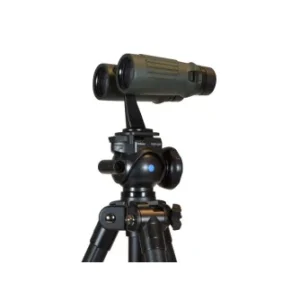
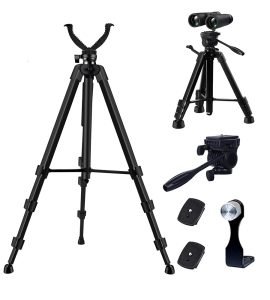
Many monoculars are designed with a threaded hole on the bottom, specifically for attaching a tripod adapter. This adapter then connects to a standard camera tripod. This is often the ultimate solution for achieving absolute stillness, as the tripod eliminates virtually all human-induced movement.
For serious birdwatchers using their monoculars for detailed study, or for anyone needing to capture stable images or video through their device, this is a worthwhile investment. The stability offered by a tripod is unparalleled compared to any handheld method.
Dedicated Monocular Tripods
Beyond standard camera tripods, there are also smaller, more specialized monocular tripods. These are often lighter and more compact, making them easier to transport. They provide a stable base and can elevate the monocular to a comfortable viewing height.
While they might not offer the same level of rock-solid stability as a full-sized camera tripod, they are a significant improvement over handheld use and are far more portable for field use. For hunters or hikers who prioritize minimizing weight and bulk, these offer a practical balance between stability and portability. As of 2026, the market offers a range of options from ultra-lightweight, portable models to more robust, adjustable units.
Common Mistakes to Avoid When Holding Steady
Even with the best intentions and understanding of the physics involved, it's easy to fall into habits that actually make holding a monocular steadier harder. Awareness of these common pitfalls can save you a lot of frustration and lead to much clearer views.
- Tensing Up Unnecessarily: The harder you try to be still, the more you might unconsciously tense your muscles. This tension actually increases the natural tremors in your hands and arms, defeating your purpose. Focus on being relaxed but controlled.
- Gripping Too Tightly: Just like tensing, a death grip on the monocular doesn't help. It limits fine motor control and makes your hands shake more. A firm but relaxed grip is far more effective.
- Forgetting to Brace: Many users, eager to get a quick look, forget to take the time to find a stable surface or brace themselves. This is often the single biggest mistake that leads to a shaky view. Always look for something to lean on first.
- Ignoring Your Breathing: As mentioned, holding your breath or breathing erratically when trying to view something is a common error. Learning to breathe smoothly and deeply will calm your system and stabilize your aim.
- Over-Reliance on Magnification: A 10x monocular is powerful, but it's not magic. If the target is too far or the conditions are poor (e.g., heat shimmer, wind), even perfect steadiness won't overcome physical limitations. Knowing when to accept the limits of your equipment is important.
Avoiding these mistakes will allow you to leverage the full potential of your 10x monocular for clearer, more enjoyable observations.
Finding the Right Monocular for Your Needs
While this guide focuses on why a 10x monocular is hard to hold steady, understanding the broader context of monocular selection can also help. The "right" monocular isn't just about magnification; it's about how well it suits your intended use and your physical capabilities.
When you're looking for a monocular, consider these factors:
- Magnification: As we've discussed, 10x is a common but challenging magnification for handheld use. If extreme steadiness is paramount and you dislike bracing, a lower magnification (like 6x or 8x) might be more suitable for general observation. For very distant targets where stability is a must, you might even consider using a monocular with a tripod adapter.
- Objective Lens Diameter: This affects light gathering and field of view. Larger lenses (e.g., 42mm or 50mm) gather more light, which is better for low-light conditions like dusk or dawn hunting, but they also increase the size and weight of the monocular. Smaller lenses (e.g., 25mm or 32mm) keep the device more compact and lighter, which can indirectly help with steadiness. For instance, finding the best binoculars for low light bird hunting often involves balancing magnification with objective lens size.
- Field of View (FOV): A wider FOV makes it easier to find and track moving subjects. A narrower FOV requires more precise aiming. For activities like birdwatching or wildlife observation, a wider FOV is generally preferred, especially when you're still mastering steadiness. Some monoculars are specifically designed for a wide field of view.
- Weight and Ergonomics: As covered earlier, the weight and how comfortably the monocular fits in your hand are critical. A monocular that feels balanced and fits your grip well will be easier to hold steady. Lightweight designs are often preferred for long days in the field, such as during nature walks or while on ski trips.
- Durability and Weatherproofing: If you plan to use your monocular in rugged environments, look for models that are fog-proof, waterproof, and shock-resistant. These features are essential for rugged terrain or conditions like snow or rain. Many waterproof hunting binoculars offer these assurances.
Choosing a monocular that aligns with your primary activities and your comfort level with handheld optics will enhance your overall experience and make achieving a steady view much more attainable. For example, if you're a beginner birder, opting for an 8x monocular with a wider field of view might be a better starting point than jumping straight to 10x.
Frequently Asked Questions
Why does my monocular image shake so much?
Your monocular image shakes because magnification amplifies the natural, tiny tremors present in your hands and body. Even slight movements become magnified, causing the image to appear wobbly.
Is it normal for a 10x monocular to be shaky?
Yes, it's completely normal. The 10x magnification inherently magnifies small movements, making handheld viewing challenging without proper technique or support.
How can I stop my monocular from shaking?
The most effective way is to brace yourself against a stable surface or your body. Practicing controlled breathing and using a relaxed grip also significantly helps reduce shake.
Can I use a monocular without it shaking?
While complete elimination of shake without support is difficult, you can minimize it significantly through proper bracing techniques, controlled breathing, and a stable stance. For absolute stillness, consider a tripod.
Should I get a lower magnification monocular if mine shakes too much?
If you find a 10x monocular consistently too shaky for your needs, stepping down to an 8x or 6x model will reduce the amplification of your natural tremors, making it easier to hold steady.
Common Mistakes to Avoid When Holding Steady
Even with the best intentions and understanding of the physics involved, it's easy to fall into habits that actually make holding a monocular steadier harder. Awareness of these common pitfalls can save you a lot of frustration and lead to much clearer views.
- Tensing Up Unnecessarily: The harder you try to be still, the more you might unconsciously tense your muscles. This tension actually increases the natural tremors in your hands and arms, defeating your purpose. Focus on being relaxed but controlled.
- Gripping Too Tightly: Just like tensing, a death grip on the monocular doesn't help. It limits fine motor control and makes your hands shake more. A firm but relaxed grip is far more effective.
- Forgetting to Brace: Many users, eager to get a quick look, forget to take the time to find a stable surface or brace themselves. This is often the single biggest mistake that leads to a shaky view. Always look for something to lean on first.
- Ignoring Your Breathing: As mentioned, holding your breath or breathing erratically when trying to view something is a common error. Learning to breathe smoothly and deeply will calm your system and stabilize your aim.
- Over-Reliance on Magnification: A 10x monocular is powerful, but it's not magic. If the target is too far or the conditions are poor (e.g., heat shimmer, wind), even perfect steadiness won't overcome physical limitations. Knowing when to accept the limits of your equipment is important.
Avoiding these mistakes will allow you to leverage the full potential of your 10x monocular for clearer, more enjoyable observations.
Finding the Right Monocular for Your Needs
While this guide focuses on why a 10x monocular is hard to hold steady, understanding the broader context of monocular selection can also help. The "right" monocular isn't just about magnification; it's about how well it suits your intended use and your physical capabilities.
When you're looking for a monocular, consider these factors:
- Magnification: As we've discussed, 10x is a common but challenging magnification for handheld use. If extreme steadiness is paramount and you dislike bracing, a lower magnification (like 6x or 8x) might be more suitable for general observation. For very distant targets where stability is a must, you might even consider using a monocular with a tripod adapter.
- Objective Lens Diameter: This affects light gathering and field of view. Larger lenses (e.g., 42mm or 50mm) gather more light, which is better for low-light conditions like dusk or dawn hunting, but they also increase the size and weight of the monocular. Smaller lenses (e.g., 25mm or 32mm) keep the device more compact and lighter, which can indirectly help with steadiness. For instance, finding the best binoculars for low light bird hunting often involves balancing magnification with objective lens size.
- Field of View (FOV): A wider FOV makes it easier to find and track moving subjects. A narrower FOV requires more precise aiming. For activities like birdwatching or wildlife observation, a wider FOV is generally preferred, especially when you're still mastering steadiness. Some monoculars are specifically designed for a wide field of view.
- Weight and Ergonomics: As covered earlier, the weight and how comfortably the monocular fits in your hand are critical. A monocular that feels balanced and fits your grip well will be easier to hold steady. Lightweight designs are often preferred for long days in the field, such as during nature walks or while on ski trips.
- Durability and Weatherproofing: If you plan to use your monocular in rugged environments, look for models that are fog-proof, waterproof, and shock-resistant. These features are essential for rugged terrain or conditions like snow or rain. Many waterproof hunting binoculars offer these assurances.
Choosing a monocular that aligns with your primary activities and your comfort level with handheld optics will enhance your overall experience and make achieving a steady view much more attainable. For example, if you're a beginner birder, opting for an 8x monocular with a wider field of view might be a better starting point than jumping straight to 10x.
Frequently Asked Questions
Why does my monocular image shake so much?
Your monocular image shakes because magnification amplifies the natural, tiny tremors present in your hands and body. Even slight movements become magnified, causing the image to appear wobbly.
Is it normal for a 10x monocular to be shaky?
Yes, it's completely normal. The 10x magnification inherently magnifies small movements, making handheld viewing challenging without proper technique or support.
How can I stop my monocular from shaking?
The most effective way is to brace yourself against a stable surface or your body. Practicing controlled breathing and using a relaxed grip also significantly helps reduce shake.
Can I use a monocular without it shaking?
While complete elimination of shake without support is difficult, you can minimize it significantly through proper bracing techniques, controlled breathing, and a stable stance. For absolute stillness, consider a tripod.
Should I get a lower magnification monocular if mine shakes too much?
If you find a 10x monocular consistently too shaky for your needs, stepping down to an 8x or 6x model will reduce the amplification of your natural tremors, making it easier to hold steady.