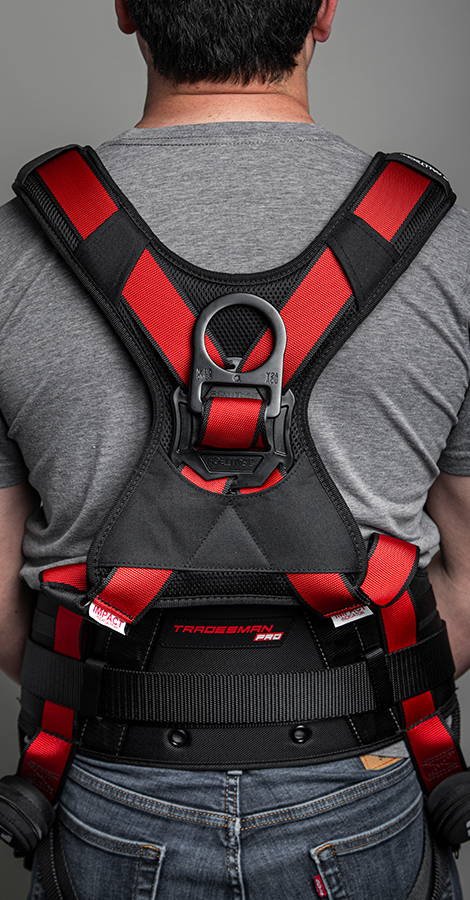
Your D-rings and buckles are small but powerful parts of your gear. They hold things together, keep you safe, and make your equipment work smoothly.
But over time, wear and tear can weaken them, leading to frustration or even failure when you least expect it. What if you could keep them strong and reliable for much longer? You’ll discover simple yet effective ways to protect your D-rings and buckles.
By following these tips, you’ll save money, avoid downtime, and feel confident that your gear will perform when it matters most. Keep reading to learn how to extend the life of your equipment and prevent costly damage.
Common Causes Of Wear
Friction and abrasioncause D-rings and buckles to wear down fast. Constant rubbing against straps or surfaces creates small scratches and weak spots. Over time, these can turn into cracks or breaks.
Exposure to elementslike water, sun, and dirt also damages materials. Metal parts may rust, while plastic or coated parts can fade or become brittle. This weakens the overall strength.
Improper usagestresses parts beyond their limits. Using too much force or hanging heavy loads can bend or break buckles and rings. Not fastening properly can cause extra movement and wear.
Material fatiguehappens after long-term use. Even strong metals and plastics lose durability after many cycles of bending and pressure. This slow breakdown eventually leads to failure.
Choosing Durable Materials
Metal typeslike stainless steel and brass last longer and resist wear. These metals handle pressure without bending or breaking. Coatings such as zinc or chrome add a protective layerthat stops rust and scratches.
Choosing high-quality fabricsfor straps helps too. Strong fabrics like nylon or polyester resist tearing and stretching. They hold D-rings and buckles firmly in place.
Rust-resistant finisheskeep metal parts looking new. Finishes like powder coating or anodizing stop moisture damage. This helps extend the life of your gear.
Proper Cleaning Techniques
Choose mild soapsor gentle detergentsfor cleaning D-rings and buckles. Avoid harsh chemicalslike bleach or ammonia that can cause damage. Use a soft brush or cloth to remove dirt without scratching the metal.
Rinse thoroughly with clean water to remove soap residue. Pat dry with a soft towel to prevent water spots or rust. Let the hardware air dry completely before storing.
- Keep D-rings and buckles in a dry, cool place away from sunlight.
- Avoid storing them in damp or humid areas to prevent rust.
- Wrap in a soft cloth for extra protection during storage.
Credit: www.falltech.com
Regular Inspection Practices
Regular checks help catch wear and tearearly. Look closely for any cracks, rust, or bendingon D-rings and buckles. Small problems can get worse if not fixed fast.
Watch for loose parts. These can cause failure during use. Tighten screws and bolts as needed. Make sure all pieces fit well and move smoothly.
| Maintenance Task | Frequency | Key Points |
|---|---|---|
| Visual Inspection | Weekly | Check for rust, cracks, and loose parts |
| Tightening | Monthly | Secure screws and bolts firmly |
| Cleaning | Monthly | Remove dirt and debris to avoid damage |
Correct Usage Habits
Avoid overloadingD-rings and buckles beyond their weight limits. Excess weight causes damage and fast wear. Always check the load capacity before use.
Use proper buckling methods. Make sure straps are threaded through buckles correctly. Tighten straps without forcing or twisting them. This prevents uneven stressand wear.
Minimize impact stressby handling equipment gently. Avoid dropping or hitting buckles against hard surfaces. Sudden shocks can cause cracks or deformations.
- Check for signs of wear regularly.
- Clean buckles and D-rings to remove dirt.
- Store equipment in dry places to avoid rust.
Storage Recommendations
Moisturecan cause rust and weaken metal parts. Keep D-rings and buckles dry by storing them in a cool, dry place. Use silica gel packets or moisture absorbers to reduce dampness.
Protective covers help stop scratches and dirt buildup. Soft cloth bags or plastic covers work well to shield buckles and rings. This keeps them clean and safe from damage.
- Keep items separate to avoid rubbing and scratching.
- Use hooks or hangers to prevent tangling.
- Store similar items together for easy access.
Good organization reduces wear by limiting friction and pressure on metal parts. Store D-rings and buckles where they won’t get crushed or bent.
When To Replace Components
Wear and tear on D-rings and buckles shows as cracks, rust, or loose parts. Replace components once damage appears to keep safety and function intact. Regular checks help spot issues before they worsen.
Signs Of Irreparable Damage
Rust, cracks, or bendingshow that parts need replacement. Loose or broken stitching weakens the hold. If a buckle won’t lock properly, it is unsafe. D-rings that twist or deform must be changed. These signs mean the hardware cannot be fixed safely.
Choosing Replacement Parts
Pick parts that match the original size and shape. Use strong materialslike stainless steel or heavy-duty plastic. Check that the new parts fit snugly with your gear. Avoid cheap or weak replacements that wear out fast. Choose parts from trusted brands for better safety.
Disposing Old Hardware Safely
Do not throw old parts in the trash carelessly. They can cause injury or harm the environment. Wrap sharp edges with tape or cloth. Drop them off at a recycling center if possible. Follow local rules for disposing of metal or plastic hardware.
Credit: www.falltech.com

Credit: hsi.com
Frequently Asked Questions
How Often Should I Inspect D-rings And Buckles?
Inspect D-rings and buckles before every use. Regular checks help spot wear, rust, or damage early. Timely detection prevents failure and ensures safety. Replace parts showing signs of excessive wear immediately to maintain durability and reliability.
What Cleaning Methods Prevent Wear On Buckles?
Clean buckles with mild soap and water. Avoid harsh chemicals that degrade metal or plastic parts. Dry thoroughly to prevent rust or corrosion. Regular cleaning removes dirt and grit that cause abrasion, extending the lifespan of buckles and D-rings.
Can Lubrication Reduce Wear On D-rings?
Yes, lubrication minimizes friction and wear on moving parts. Use a light, non-sticky lubricant suitable for metal. Apply sparingly to avoid attracting dirt. Proper lubrication helps maintain smooth operation and prevents corrosion, prolonging D-ring durability.
How Should I Store Gear With D-rings And Buckles?
Store gear in a dry, cool place away from direct sunlight. Avoid moisture to prevent rust and corrosion. Keep items untangled and free from heavy pressure to avoid deformation. Proper storage preserves material integrity and prevents premature wear.
Conclusion
Caring for D-rings and buckles extends their life. Regular checks help spot damage early. Clean them to prevent dirt buildup. Use mild soap and water. Dry thoroughly after cleaning. Store in a cool, dry place. Avoid direct sunlight and moisture.
Inspect before use for safety. Replace worn parts promptly. Simple actions save money and prevent accidents. Protect your gear with these easy steps. Keep your equipment reliable for longer. Safety and durability start with good maintenance. Stay proactive and enjoy peace of mind.